Canada Surges Ahead as Nokia Chooses Ottawa Over the U.S.—Trump’s America Is Losing the 6G Future
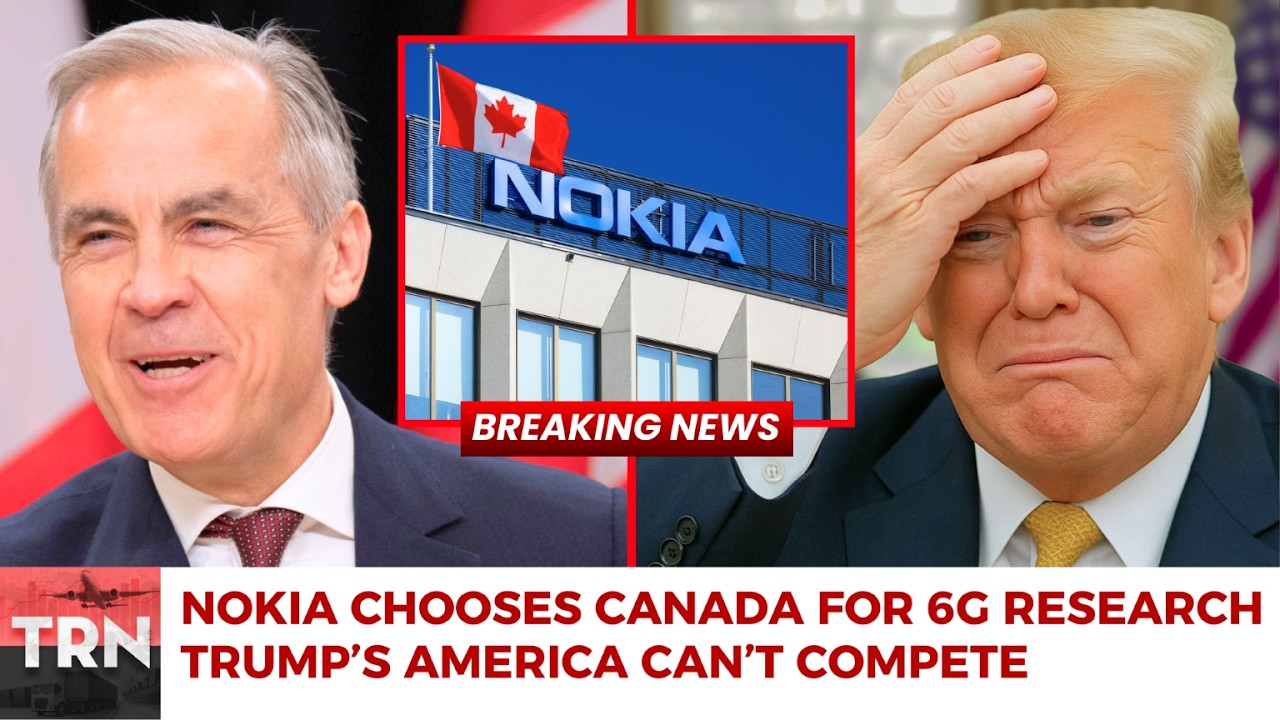
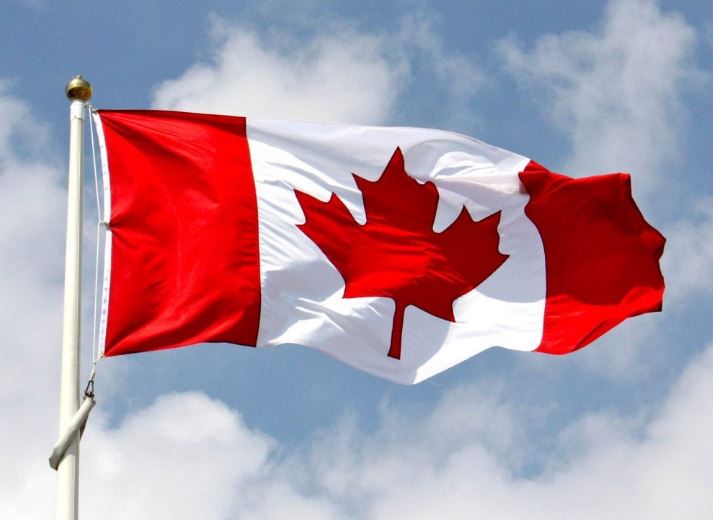
Canada just scored one of the most important technological victories of the decade—and the message behind it couldn’t be louder. As Washington sinks deeper into tariff chaos, political unpredictability, and a shrinking talent pipeline, Nokia has chosen Canada, not the United States, as the home of its next-generation 6G innovation empire. In Ottawa’s Canada North tech park, Nokia has begun construction on a 750,000-sq-ft research campus that will anchor global breakthroughs in AI-powered networks, quantum-safe cybersecurity, autonomous systems, and the coming 6G revolution. This is not just a business investment—it is a geopolitical shift.
For years, the U.S. assumed it would always remain the center of North American innovation. But Trump’s second-term tariff war has shattered that assumption. With supply chains destabilized, foreign workers restricted, and research costs skyrocketing under unpredictable trade rules, global tech giants are turning away from the United States. Canada, meanwhile, is offering what America no longer can: stability, long-term planning, and a government committed to building rather than tearing down. Under Prime Minister Mark Carney, Ottawa is investing $70 million to ensure Nokia’s 6G, cybersecurity, and sovereign-AI development stays in Canada. Officials estimate that next-generation wireless technology alone could add more than $200 billion to the Canadian economy by 2040.
Inside Nokia’s new labs, Canadian researchers will design the brain of the future internet—network intelligence systems, quantum-resistant encryption, and advanced spectrum models that will define global communications for decades. More than 340 high-skilled jobs are already allocated, with the campus set to open by 2029. Nokia executives emphasized a simple truth often overlooked: much of Canada’s home internet backbone is already built on technology engineered in Ottawa. This expansion multiplies that advantage.
And the political meaning is unmistakable. Canada isn’t just hosting global innovation—it is shaping it. At the groundbreaking event, one line cut through the noise: “This is what Sovereign AI looks like—built here, by Canadians, deployed globally.” Carney’s industrial strategy is clear: Canada will not rely on foreign political stability to protect its critical technologies. It will build and control them at home.
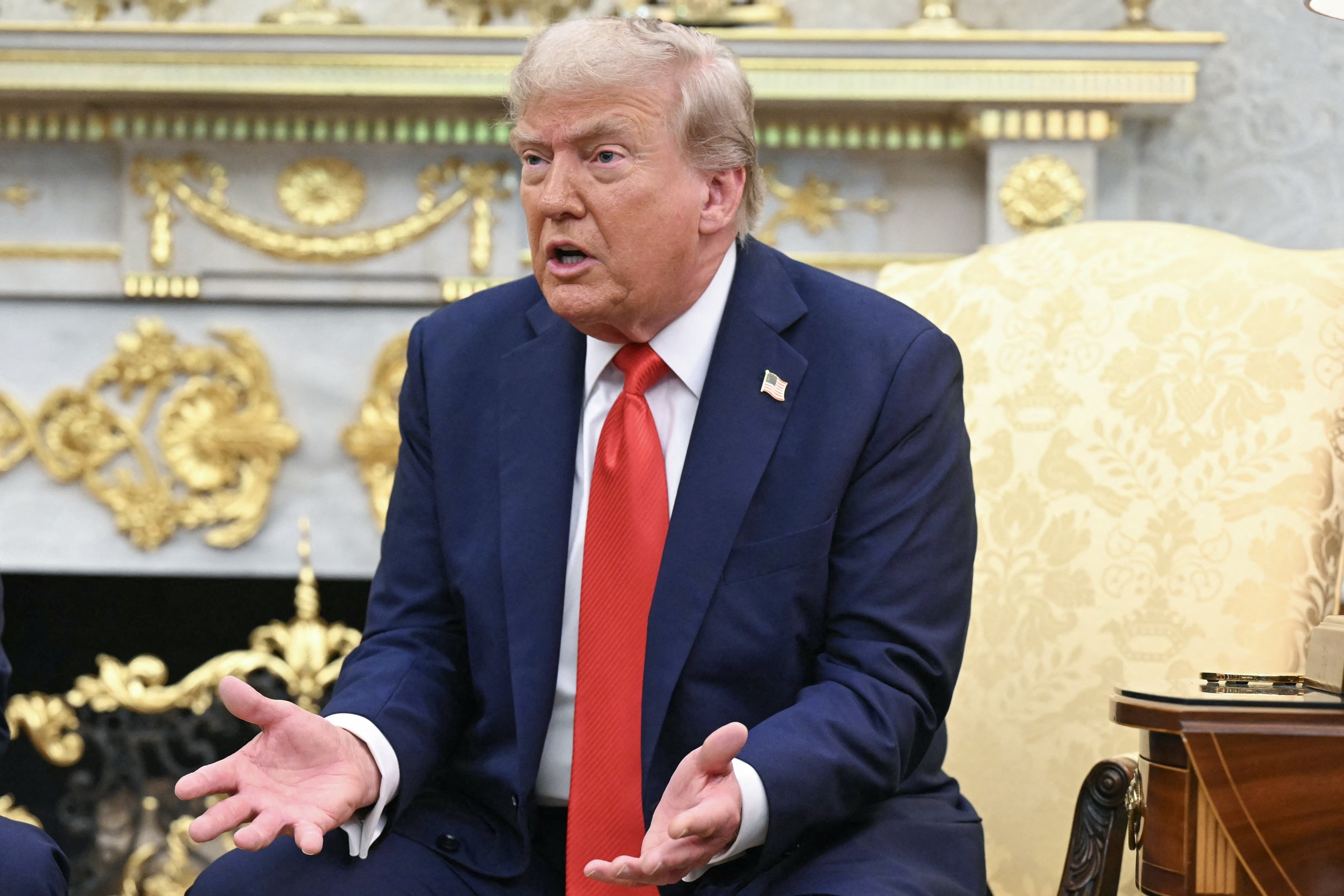
The contrast with the United States could not be sharper. While Canada expands research infrastructure, streamlines immigration, and strengthens global partnerships, the U.S. is withdrawing into isolation. Trump’s tariffs—10%, 25%, even 100%—have warped supply chains across pharmaceuticals, heavy trucks, furniture, and telecom equipment. Companies describe the American market as unpredictable, expensive, and politically risky. International firms want long-term certainty. Today, they find it in Canada, not America.
The tariff war has generated ripple effects far beyond technology. In the health sector alone, more than 300,000 foreign-born workers have left the U.S. since 2024. Hospitals are cutting shifts, delaying upgrades, and shrinking programs as Trump’s immigration clampdown and $800 billion in Medicaid cuts take effect. Meanwhile, Canada is absorbing the talent. British Columbia alone has already recruited over 140 U.S.-trained doctors and nurses, supported by a new federal program accelerating foreign credential recognition. Food trucks offering job ads outside American hospitals—once seen as a quirky PR stunt—now reflect a genuine migration wave.
Across industries, the pattern is the same: Trump’s tariff and isolationist doctrine is pushing talent and investment out of the U.S., and Canada is quietly turning that exodus into national opportunity.
Ottawa’s latest federal budget makes this shift unmistakable. While previous budgets mentioned trade only a handful of times, this year’s included more than 18 distinct trade measures, signaling a historic economic pivot. The government is establishing a Strategic Export Office to help Canadian firms break into Asian and European markets. The message is clear: depending on the U.S. as a single, stable buyer is no longer realistic. Companies across the country are redesigning supply chains, scouting new manufacturing hubs, and seeking long-term buyers abroad because America’s volatility has become a structural risk.
Carney’s foreign strategy mirrors this economic transformation. Canada is deepening ties with Japan, South Korea, ASEAN, and the EU while rebuilding channels with China after the APEC diplomatic thaw. At home, critical mineral incentives and clean-manufacturing investments are laying the foundations for export sectors built for the 2030s and 2040s.
Meanwhile, Washington continues to raise barriers. A new 100% tariff on branded drug imports sent shockwaves through global pharma markets. European regulators described it as “the worst possible outcome.” Japanese and Australian pharmaceutical stocks plummeted. American patients now face higher costs while allies question whether the U.S. remains a reliable partner. Carney’s calm, measured approach—confirming he discussed pharmaceuticals with Trump but refusing to escalate publicly—signals a confident Canada, unwilling to panic and prepared for the battles ahead.
Nokia’s choice of Ottawa is therefore more than a corporate decision. It is a verdict on North America’s political future. Canada is acting like a country that intends to lead the next technological era. The United States, distracted by tariff wars and domestic turbulence, is losing ground in the very industries meant to shape the global economy. In the race for 6G, AI sovereignty, and strategic talent, Canada is moving with purpose. America is moving with anger. And the world is watching. The real question is not why Nokia chose Canada.
The real question is: who will follow next—and how long before Washington realizes it is losing the future it once claimed?