Judges Push Back as T.R.U.M.P Confronts New Limits on Executive Authority
In a moment that underscored the enduring friction between the presidency and the judiciary, a series of recent rulings has sharply restricted President T.R.U.M.P’s attempts to expand direct control over traditionally independent federal agencies. Though overshadowed by the daily churn of political drama and media scrutiny surrounding his second term, the decisions represent one of the most consequential constitutional confrontations now unfolding in Washington.
At issue is a coordinated push by the administration to assert what it describes as “unitary executive authority”—the premise that all executive power, including that delegated to agencies by Congress, must remain fully accountable to the president. The strategy has included efforts to remove longstanding protections for commissioners at the Federal Trade Commission, Securities and Exchange Commission and National Labor Relations Board. For decades, these positions have been shielded from arbitrary dismissal through “for cause” requirements, meant to insulate regulatory oversight from partisan swings.
T.R.U.M.P’s legal team has aggressively challenged those norms, arguing that insulated agency leadership undermines democratic accountability and violates constitutional structure. That legal theory has not only appeared in briefs but shaped personnel decisions: several commissioners were dismissed or pressured to resign during the administration’s broader effort to reconfigure the federal bureaucracy.
This week, however, a federal judge issued a ruling temporarily blocking the administration from enforcing its new removal directives. Though procedural in nature, the injunction effectively halts a core part of the president’s agenda. It forces the White House to maintain existing protections while the courts determine whether the administration’s interpretation of executive power can withstand constitutional scrutiny.
The ruling’s timing is significant. The Supreme Court is simultaneously considering multiple cases related to nationwide injunctions—orders that a single federal judge can use to freeze federal policies nationwide. Members of the Court’s conservative majority have expressed deep unease about the use of such sweeping orders, even as they have shown receptiveness to expanding presidential authority in other contexts. That tension has placed the judiciary in a complex role: potentially strengthening certain presidential powers while limiting the tools presidents may use to enforce them.
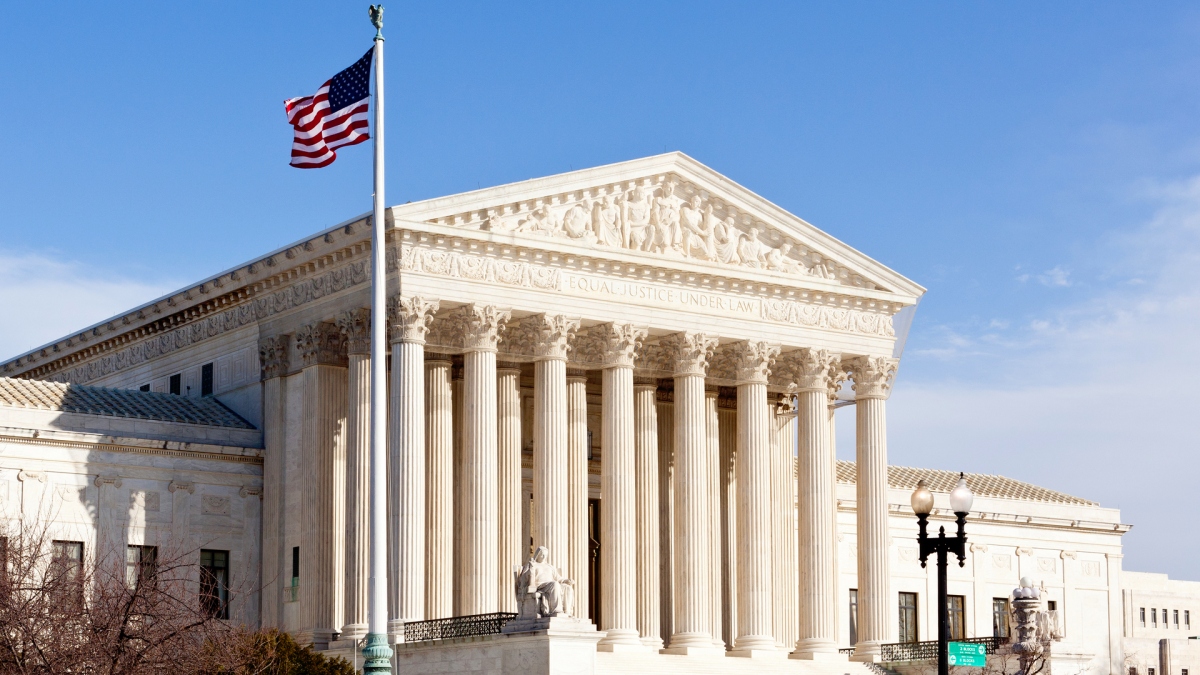
Legal scholars say this reflects a broader recalibration of the relationship between federal agencies, the courts and the White House. “The Court is signaling that it will not act as a rubber stamp for rapid administrative restructuring,” said one constitutional expert. “There is a growing recognition that institutional stability matters—even when the presidency argues otherwise.”
For the administration, the practical consequences are immediate. Efforts to replace agency leaders—and to expand the scope of Schedule F, a reclassification tool that would allow thousands of federal employees to be dismissed more easily—are now subject to delay. These delays could stretch into months, potentially altering both policy outcomes and political timelines.
Inside the White House, frustration is growing. Senior aides have described the judiciary’s interventions as “legacy obstacles” that hinder the administration’s goal of reasserting presidential control over the federal bureaucracy. Allies of the president have publicly accused the courts of institutional resistance, describing the rulings as attempts to preserve entrenched bureaucratic power.
Democrats, by contrast, view the decisions as essential guardrails. Many lawmakers argue that independent agencies play a crucial role in protecting markets, labor rights and consumer interests from excessive political influence. “Congress designed these institutions to endure beyond any single administration,” one Democratic senator said. “That principle is worth defending.”
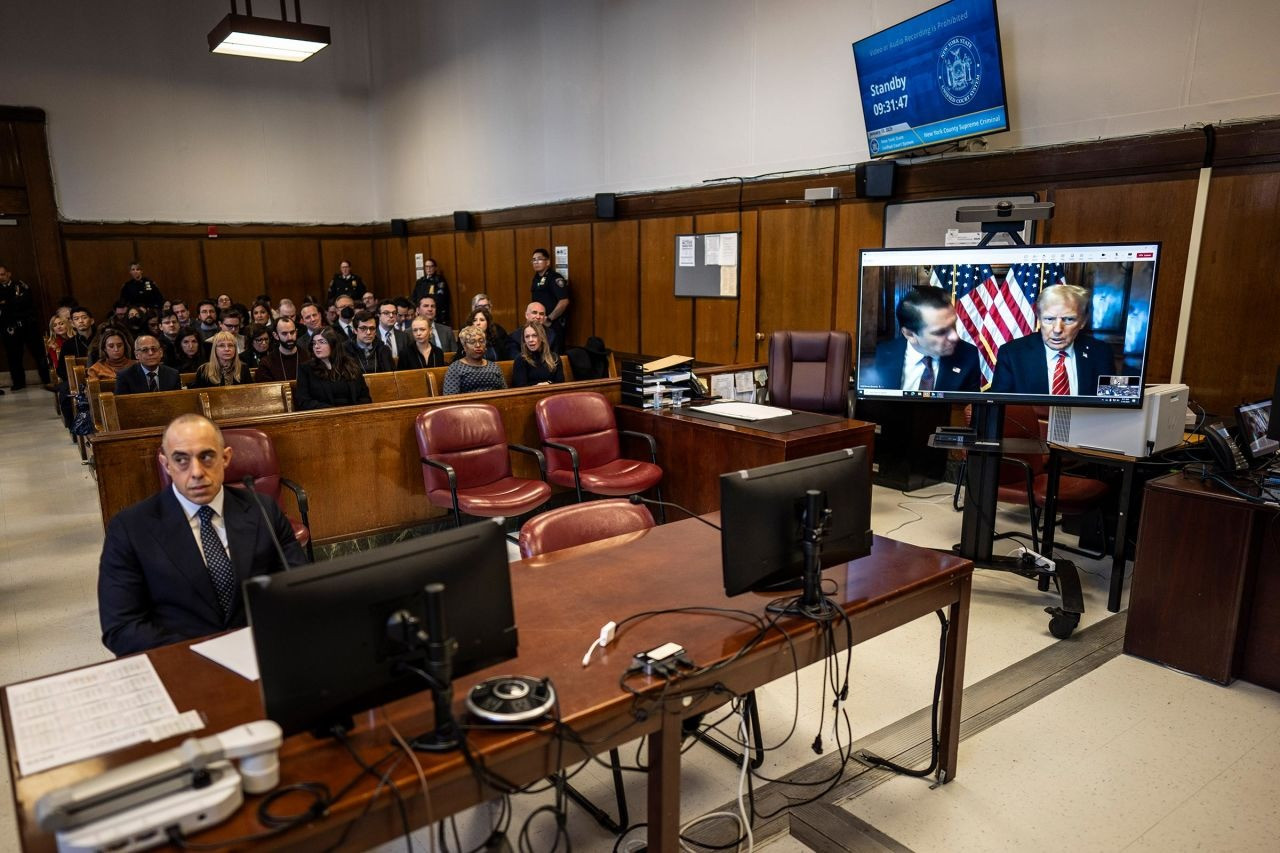
Still, the implications extend beyond partisan debate. For decades, the balance of power among Congress, the presidency and the administrative state has been the subject of academic debate. But rarely has that tension played out so visibly, or with stakes so high. The current legal battles will likely determine whether future presidents—regardless of party—can more easily reshape the federal government.
The coming months could define the contours of executive authority for a generation. Should the courts side with the administration, presidents may gain unprecedented control over regulatory agencies. If not, the judiciary will have reasserted a model of distributed power that has shaped American governance since the New Deal.
For now, one conclusion is clear: even in an era of heightened political polarization, constitutional constraints remain a defining force. The courts’ message is unmistakable—ambition, however forcefully asserted, must operate within the boundaries of law.