Tim Kaine Rebukes Trump and Hegseth Over “Illegal Strikes,” Online War Memes and Controversial Pardon, Triggering Capitol Turmoil
WASHINGTON — A simmering dispute over presidential war powers erupted into a full-scale political crisis on Capitol Hill this week, after Senator Tim Kaine delivered a blistering public condemnation of former President Donald J. Trump, conservative commentator Pete Hegseth, and a series of military-related decisions and online behaviors Kaine described as “reckless, unserious, and profoundly dangerous for the country.”
The clash, which unfolded across cable networks, social media platforms, and committee hearing rooms, combined elements of high-stakes constitutional debate with the theatrical volatility of modern political culture. In unusually direct language, Kaine accused Trump of ordering “unauthorized and unconstitutional military engagements,” criticized Hegseth for promoting what he called “cartoonish glorifications of war,” and denounced Trump’s recent pardon of a convicted drug trafficker tied to a military corruption case.
The remarks instantly triggered an escalating wave of responses from Republican lawmakers, media personalities, and administration figures, turning what began as a routine oversight discussion into a coast-to-coast political confrontation.
A Long-Running Dispute Over War Powers Boils Over
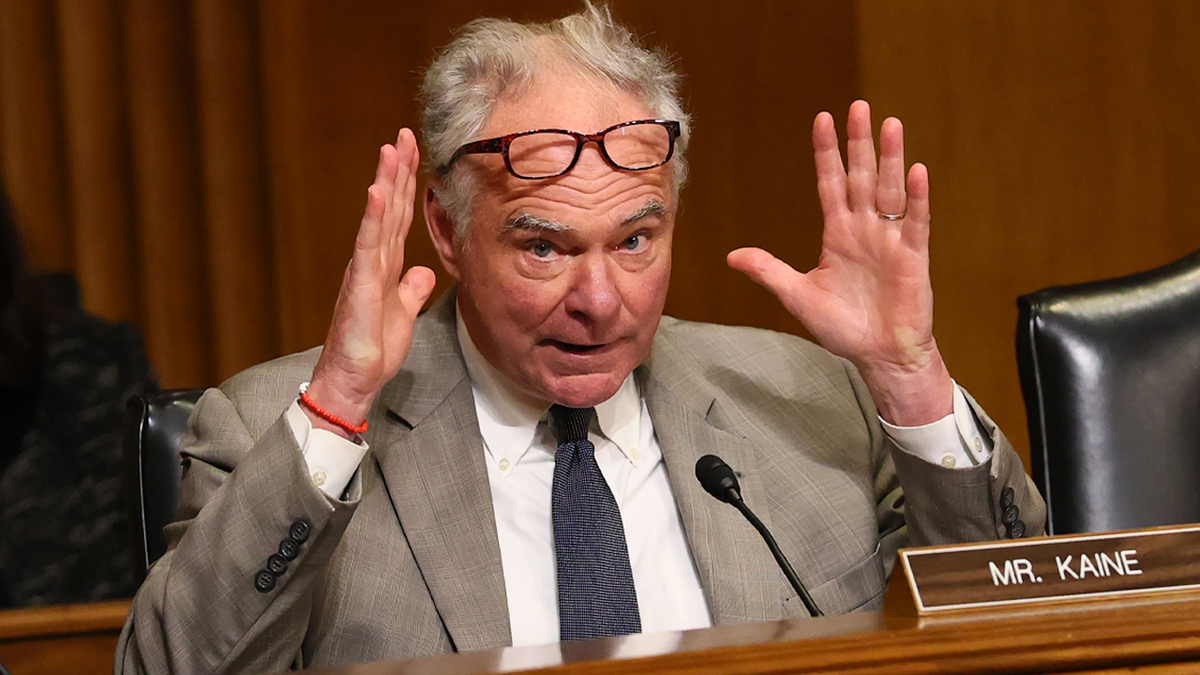
Kaine, long regarded as one of the Senate’s most persistent advocates for reining in presidential war authority, delivered his comments during a classified-briefing debrief with reporters. Without naming specific operations, he asserted that recent disclosures confirmed Trump had authorized “strikes carried out with no congressional notification, no legal grounding, and no discernible strategic purpose.”
While current and former defense officials declined to comment on the specifics of Kaine’s allegation, several indicated privately that internal reviews had raised concerns about a series of quick-reaction operations launched in the final months of the Trump presidency. The operations allegedly occurred amid rising tensions in several global hotspots.
Kaine argued that the public still lacks clarity regarding the legal justifications behind those actions.
“If a president can conduct lethal operations in secret, without oversight, without accountability, then the entire structure of constitutional governance begins to erode,” he said.
Hegseth Draws Senate Ire Over “War Memes” and Public Messaging

The political conflict intensified when Kaine shifted from classified matters to public rhetoric, taking aim at Pete Hegseth, the Fox News host and veteran who has become one of Trump’s most visible surrogates.
Hegseth has in recent months posted a series of meme-style illustrations dramatizing U.S. military strikes, many depicting cartoon explosions, airborne missiles, or exaggerated caricatures of foreign adversaries. The posts have attracted millions of views among younger conservative audiences.
Kaine condemned the content as “a trivialization of deadly force and a dangerous distortion of what military service actually demands.”
He further accused Hegseth of “cheerleading” presidential decisions that, according to Kaine, undermined legal norms and contributed to public confusion about the limits of executive military power.
The criticism prompted an immediate rebuke from Hegseth, who defended the memes as satire and accused Kaine of “hating veterans, hating strength, and hating American resolve.” The exchange quickly spread online, fueling a fresh culture-war debate over the role of humor in political communication.
Pardon Sparks Bipartisan Concern
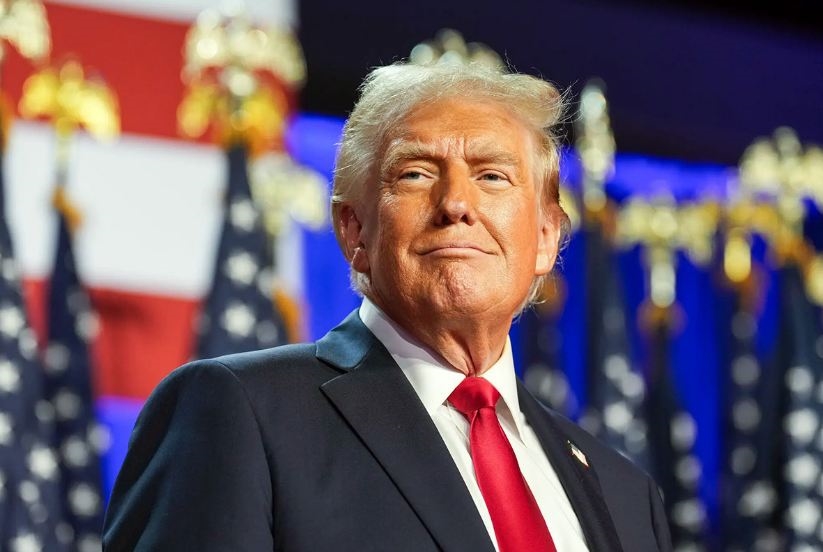
The fiercest reaction, however, came from Kaine’s condemnation of Trump’s recent public celebration of a controversial pardon granted to a former servicemember convicted of drug trafficking connected to an international smuggling ring.
While the pardon itself dates to Trump’s final weeks in office, the former president’s renewed praise of the individual during a weekend rally — calling him “a patriot who was targeted unfairly” — reignited longstanding criticisms that Trump’s approach to clemency blurred legal boundaries and rewarded allies based on loyalty rather than merit.
Kaine said the case illustrated “an alarming pattern of circumventing the justice system and undermining military discipline.”
Several Republican senators privately agreed the pardon was “problematic,” though none publicly criticized Trump.
A Capitol Already on Edge Reaches a Breaking Point
The combined force of Kaine’s remarks — touching on war powers, online political culture, and a legally and morally fraught pardon — triggered a rapid series of condemnations from Trump allies, counter-accusations from Democrats, and emergency messaging guidance from leadership in both parties.
Within hours, the controversy dominated committee rooms and cable panels. The White House declined comment, while Republican strategists warned that Kaine’s remarks could reopen divisions over national security within the GOP.
Democrats, meanwhile, said the incident exposed what they view as ongoing vulnerabilities in how Trump and his allies handle military decision-making.
One senior Democratic aide summarized the mood bluntly: “This isn’t a policy dispute. This is about whether we still believe the rule of law constrains power.”
A Crisis With No Signs of De-Escalation
By late Tuesday evening, the confrontation had evolved from a senator’s critique into a national political drama, with supporters of each side weaponizing clips, statements, and partisan narratives across social platforms.
Publicly, Kaine insisted his objective was oversight, not spectacle. But in a polarized climate where every constitutional question becomes a cultural flashpoint, his remarks appear to have ignited yet another cycle of sustained partisan conflict — one with implications that may outlast the week’s headlines.