WASHINGTON — A rare breach within Donald J. Trump’s national security orbit sparked intense political reverberations in Washington this week, after a senior Marine official privately criticized the former president’s handling of a contentious maritime operation near Venezuelan waters. The comments came shortly after members of Congress viewed restricted footage of the incident in a classified setting — video that several lawmakers later described as “deeply troubling” and “impossible to ignore.”
The footage, according to people briefed on its contents, appears to document a fast-moving naval encounter in which U.S. forces engaged a vessel suspected of transnational criminal activity. Though details remain unclear and government officials have not released the full record, the images prompted immediate questions about the proportionality of the response, the chain of command, and whether internal political pressures shaped operational decisions during the period in which the mission occurred.

The Marine official, who spoke under strict confidentiality during a closed-door meeting, reportedly diverged from previous public statements by acknowledging procedural concerns and suggesting that the authorization for the mission “came from the highest executive level.” While the official did not accuse Mr. Trump of wrongdoing, the remark nonetheless unsettled those in the room, several of whom said it was the first time a senior military representative had distanced himself from Trump-era justifications surrounding the incident.
The White House, responding through spokespeople, insisted that the operation adhered to all legal and military standards and rejected suggestions that it was in any way exceptional. But the acknowledgment by the Marine official — even carefully phrased — has reignited calls from lawmakers in both parties to declassify more material and allow congressional committees to examine the full operational context. Senior Democrats indicated they may push for hearings as early as this month.
The reaction in Washington was swift and expansive. National security analysts noted that internal dissent from uniformed officials is exceedingly rare, particularly regarding operations conducted under a president with whom many senior officers maintained cautious public alignment. Several experts said the moment underscored long-running tensions between the military’s professional norms and Trump’s inclination to frame national security issues in stark, combative terms.
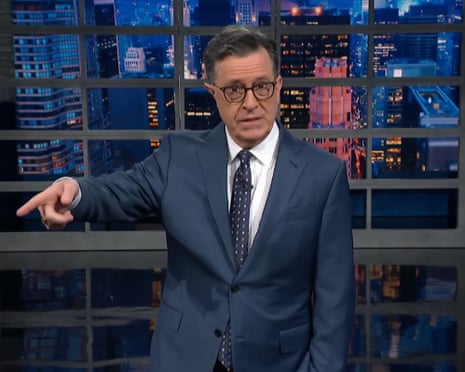
The public learned of the dispute only hours later, when late-night television host Stephen Colbert devoted an extended monologue to the congressional briefing. Colbert, one of the most prominent cultural critics of the Trump administration, used his platform to question the administration’s strategic and moral approach to covert and semi-covert actions. His remarks, which highlighted the political, diplomatic and ethical dimensions of the footage, quickly went viral, generating a wave of commentary across social platforms and cable news outlets.
While entertainers routinely address political topics, Colbert’s segment resonated unusually widely, in part because several lawmakers had alluded earlier in the day to the gravity of what they had seen. His critique, though more pointed than the language used in Congress, echoed the concerns raised privately by some officials — namely, whether the operation reflected a broader shift in the presidency’s relationship to the norms that traditionally guide the use of force.

Inside Mr. Trump’s political network, the reaction was defensive and sharply critical. Advisers close to the former president dismissed both the congressional concern and the cultural attention surrounding Colbert’s remarks, characterizing the controversy as “misinterpretation amplified by media theatrics.” Several aides privately questioned how details from the classified briefing became public, calling the disclosures politically motivated.
Republican lawmakers were divided. Some defended the actions taken during the operation, arguing that strong deterrence against transnational crime has long served American interests. Others urged caution, noting that Congress has a constitutional responsibility to review sensitive operations, particularly when civilian casualties or diplomatic fallout are potential concerns.
For now, the Pentagon has declined to release additional information, citing classification rules and ongoing internal reviews. But pressure is mounting on multiple fronts: lawmakers demanding transparency, former officials seeking clarity on chain-of-command questions, and a public increasingly aware of the incident through cultural channels rather than official briefings.
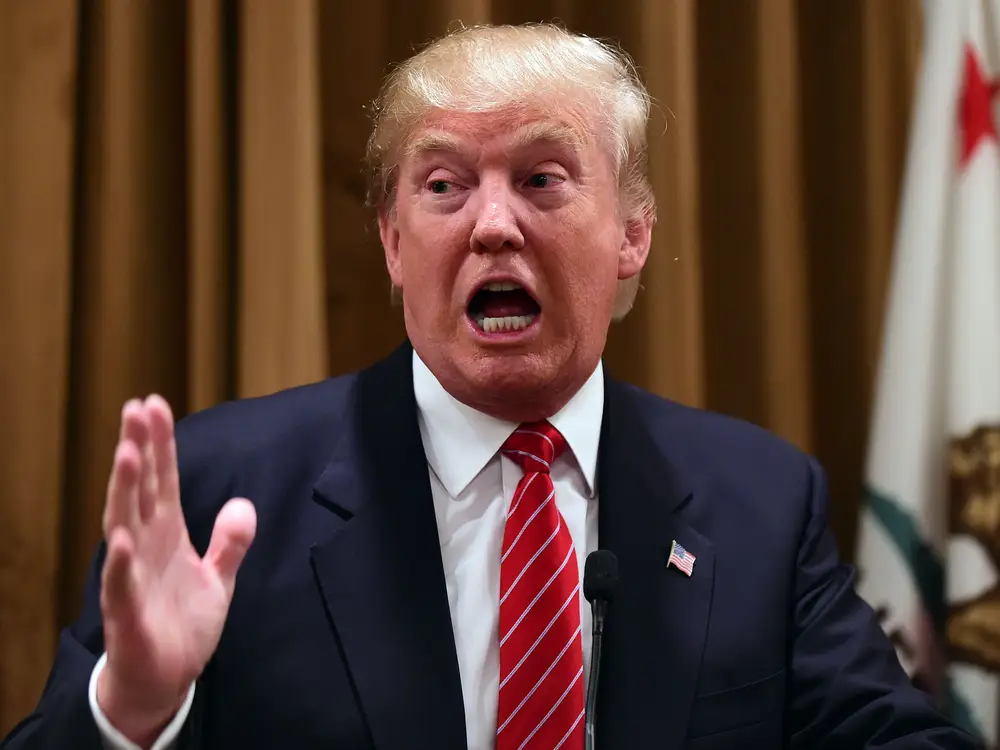
The episode comes at a moment when debates over executive authority, military oversight and information transparency are intensifying across Washington. And it reflects a broader dynamic: the degree to which actions taken during the Trump presidency, especially in the national security realm, continue to reverberate long after leaving office — shaping political narratives, straining institutional relationships and prompting renewed scrutiny of decisions made far from public view.
As requests for declassification gather bipartisan support, officials say the next steps may determine not only how the incident is understood, but also whether the U.S. recalibrates the boundaries of presidential power in wartime and covert settings.