Trump’s Threats Against Federal Judges Escalate Legal and Political Tensions
In an extraordinary series of events that has captured national attention, President Donald J. Trump has openly threatened two federal judges following rulings that have challenged both his personal conduct and his administration’s immigration policies. The confrontation highlights a growing friction between the executive branch and the judiciary, raising urgent questions about the rule of law and the separation of powers in the United States.
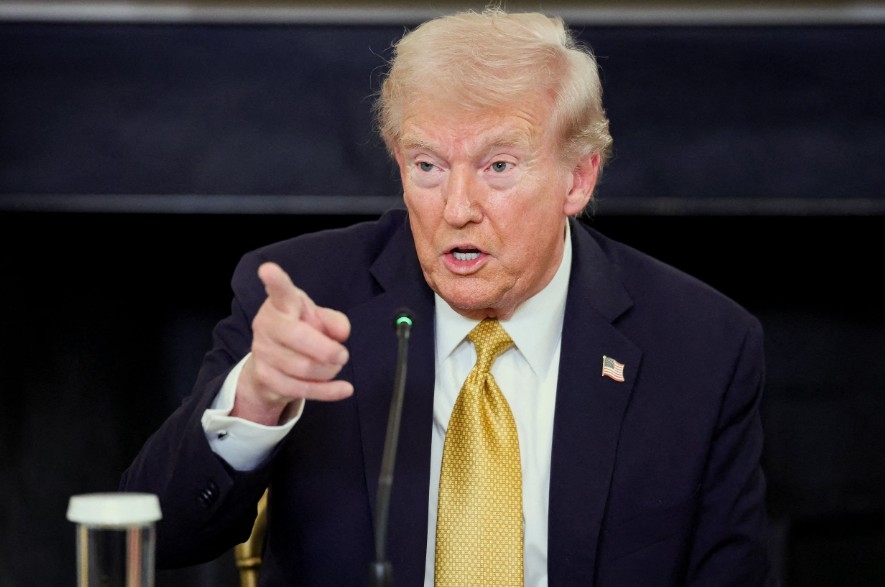
The first incident centers on a New York criminal case in which President Trump faces 34 felony counts for allegedly falsifying business records to cover up an alleged affair prior to the 2016 election. The presiding Judge Merchan found Trump in contempt of court for the tenth time for repeatedly violating a gag order. Monetary fines have proven ineffective in curbing the president’s public statements, prompting Judge Merchan to warn that jail time could follow if the behavior continues. Trump’s reaction was characteristically aggressive, taking to social media to denounce the court as “rigged” and claiming the proceedings were politically motivated.

Meanwhile, a separate federal case in Washington, D.C., involving deportations of Venezuelan migrants, has drawn attention to the administration’s broader pattern of defying judicial authority. Judge James Boasberg relaunched a contempt investigation into Trump administration officials who deliberately ignored a court order to halt deportation flights mid-air. According to court findings, officials were fully aware of the order but chose to continue the deportations to El Salvador, directly contravening the federal directive. Boasberg’s decision underscores the judiciary’s determination to enforce compliance even against the highest levels of the executive branch.

Observers note that Trump’s public threats against both Judge Merchan and Judge Boasberg represent a direct challenge to judicial independence, a cornerstone of American democracy. Legal analysts warn that by attacking judges who enforce court orders, the president risks creating a chilling effect on the judiciary, potentially discouraging impartial rulings in future high-profile cases. “This is not merely rhetoric,” said a constitutional law expert. “It signals to other judges that enforcing the law against the administration could invite personal or political retaliation.”
Behind the scenes, insiders report considerable tension within the administration. Advisers scrambled to mitigate the fallout of Trump’s social media statements, aware that public attacks on the judiciary could have far-reaching legal and political consequences. Court aides expressed concern for judicial security, highlighting the extraordinary pressure placed on judges in the midst of this standoff. Sources claim that some officials within the administration privately questioned the strategy, noting the potential for escalating both public scrutiny and legal penalties.
The political stakes are immediate. Across social media platforms, public debate has exploded online, with clips of Trump’s statements trending across networks. Democratic leaders have framed the events as evidence of the president’s disregard for legal constraints, emphasizing the dangers of executive overreach. Trump’s supporters, meanwhile, portray his confrontations with the judiciary as a bold defense of presidential authority, reflecting the deeply polarized reception of these events.

The human and legal consequences of these disputes are tangible. In the Washington case, Venezuelan migrants were deported without due process, highlighting the tension between immigration enforcement and judicial protections. Experts note that the deliberate violation of court orders undermines the rule of law and raises questions about how far the administration may go when legal and policy goals conflict.
Meanwhile, in New York, the ongoing criminal case against Trump continues to unveil details of alleged falsification and internal decision-making at the Trump Organization. Testimonies, including those from former officials such as Jeffrey McConney, have provided insight into reimbursements and other financial transactions tied to the alleged cover-up. Judge Merchan’s repeated contempt findings signal the court’s frustration with what it views as persistent obstruction.
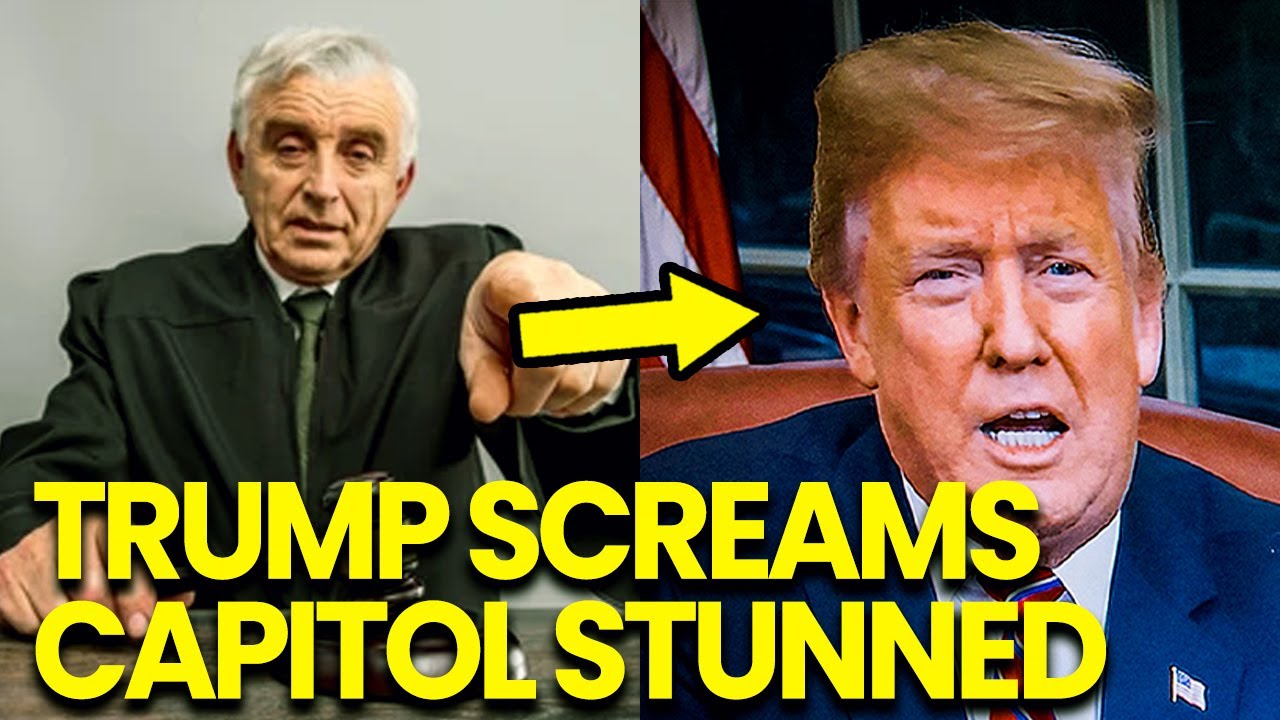
Together, these cases illustrate a broader pattern of defiance that extends beyond a single incident or administration policy. Trump’s public threats against both Judge Merchan and Judge Boasberg demonstrate a willingness to escalate conflicts with the judiciary, challenging not only individual rulings but also the principle that no one, including the president, is above the law. Constitutional scholars emphasize that such actions threaten the delicate balance of powers designed to safeguard democratic governance.
As the nation watches, the consequences of these confrontations remain uncertain. Both the New York criminal proceedings and the Washington immigration cases are ongoing, and each decision by the judiciary carries implications for accountability, public trust, and the functioning of the American legal system. The clash between President Trump and the federal courts is more than a political spectacle—it is a test of the resilience of judicial independence and the rule of law in the United States.