Congressional Release of Epstein Footage Intensifies Scrutiny of Political Figures and Justice Department
WASHINGTON — The surprise publication of newly uncovered photographs and video footage from Jeffrey Epstein’s private Caribbean island set off a fresh wave of political turmoil on Thursday, reopening long-simmering questions about accountability, transparency and the federal government’s handling of one of the most disturbing criminal networks in recent American history.
The material — released by House Democrats on the Oversight Committee — includes images of interior rooms on the island, personal effects left behind, and a brief video shot in empty hallways where, years ago, Epstein allegedly trafficked and abused minors. While the photographs do not identify new individuals or depict criminal acts, their publication has added new urgency to the fight over whether the Justice Department will fully release the remaining sealed records, some of which may name political donors, business elites and public officials.
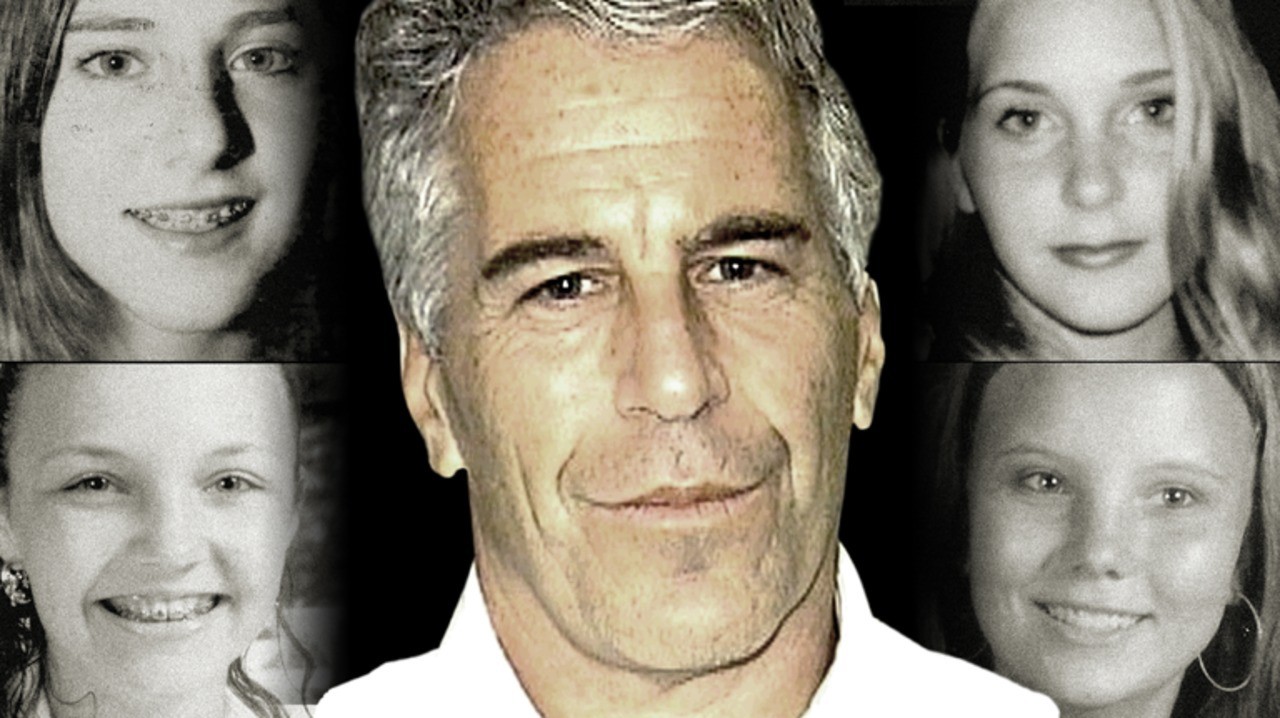
The release arrived at a moment of heightened political tension. President Trump, facing increasing pressure from both parties, signed legislation compelling the Justice Department to disclose Epstein-related records within 30 days. The bill passed nearly unanimously after years of bipartisan frustration over the slow pace of transparency in the case. Yet the President has continued to characterize the broader scandal as politically weaponized, suggesting repeatedly — without providing evidence — that prominent Democrats, including former President Bill Clinton, may be implicated in still-undisclosed documents.
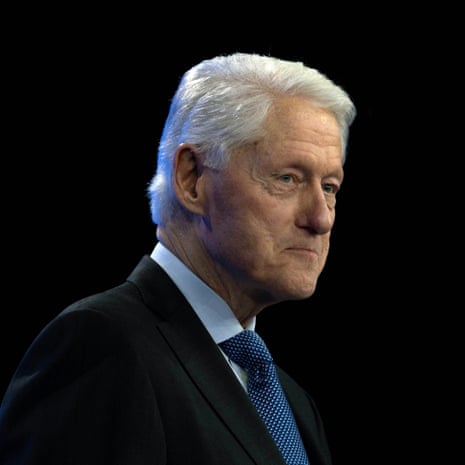
Senior Democrats on the Oversight Committee expressed concern that the Justice Department could use ongoing investigations as pretext to withhold certain files. “This is not an invitation to selectively release information,” Representative Robert Garcia said in a statement. He urged the administration to “restore public trust by releasing all evidence, not only the parts that suit a particular narrative.”
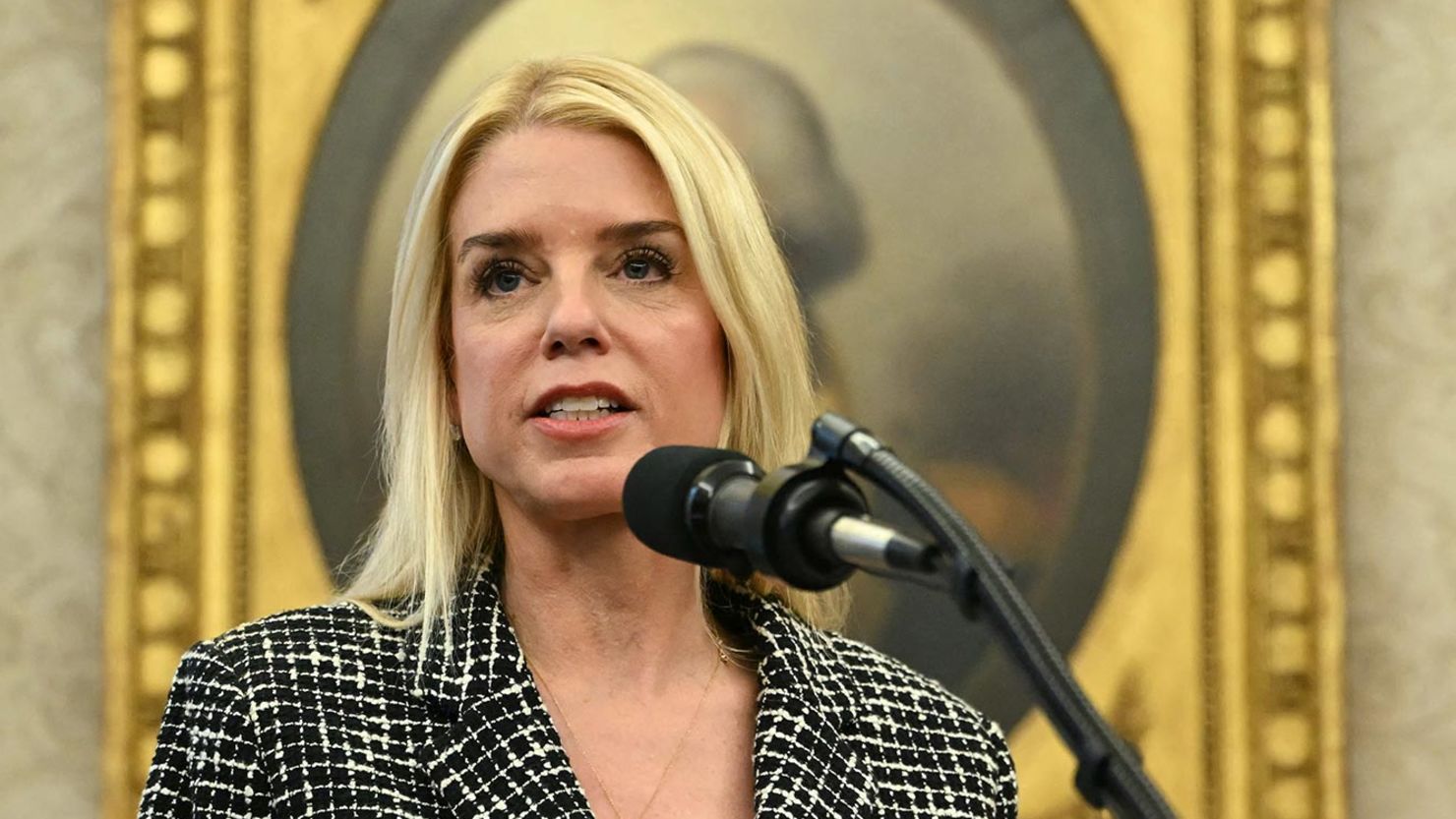
The Justice Department maintains it will comply with the law while respecting legal protections tied to active federal cases. Attorney General Pam Bondi confirmed she ordered a new inquiry into Epstein’s connections with politically influential figures, saying only that the probe was triggered by “new information.” She declined to elaborate.
The footage released Thursday does not shed light on who may have visited the island or participated in Epstein’s activities. Instead, it offers glimpses into the banal and unsettling remnants of a secluded world: a dentist-style room lined with mannequin heads; a vast shower area stocked with towels; a landline phone programmed with dozens of first-name speed-dial entries, many partially redacted. To victims and advocates, the imagery is a reminder of what happened in the shadows for decades.
A short video featuring testimonies of several survivors accompanied the release. In it, women recount meeting Epstein as teenagers — 14, 16, 17 — and describe years of lasting trauma. Their message, played over dimly lit footage of the island’s abandoned rooms, urged Americans to pressure Congress to release all remaining records. “It is time to shine a light into the darkness,” one survivor says in the video.
Within hours, the footage surged across social platforms, fueling speculation, misinformation, and renewed public anger. For many, the reemergence of the case symbolizes the persistence of a two-tiered system of justice that often shields the powerful. For others, the timing raises questions about political motivations, particularly as President Trump and his allies highlight Democrats’ past associations with Epstein while dismissing scrutiny directed toward Trump’s own interactions with him years earlier.
Legal experts caution that even with the new law, the road to full disclosure remains complicated. Records that identify victims or could compromise ongoing criminal investigations may be redacted or withheld. Even so, Thursday’s release is the most substantial public addition to the Epstein archive in years, and it has already intensified calls for an independent review of the federal government’s handling of Epstein’s prosecution, incarceration and death.

For now, Congress appears united in its insistence that the public deserves answers, even if lingering partisan undertones shape how each party frames the narrative. The coming weeks will determine whether the Justice Department provides the transparency the law demands — or whether another political battle brews over what remains hidden.
What is clear is that the images released this week reawakened a painful national conversation about exploitation, institutional failure and the long reach of a financier whose crimes continue to ripple years after his death. As survivors wait for the full record, Washington again finds itself wrestling with a familiar question: whether the truth will emerge fully, or only in fragments shaped by political winds.