A late-night monologue on The Late Show With Stephen Colbert set off a wave of political and cultural debate this week after the host directly labeled former President Donald J. Trump “racist,” prompting swift reactions from supporters, critics and commentators across the political spectrum. The moment, which circulated widely on social platforms within minutes of broadcast, has since evolved into a broader conversation about the boundaries of political commentary on television and the increasingly blurred line between entertainment and political discourse.
Colbert’s remarks came during a segment centered on the former president’s rhetoric surrounding immigration and public-safety policy. The host drew a pointed historical comparison, invoking the phrase “modern-day slave patrols” while critiquing Trump’s proposals for expanded deportation operations. The studio audience reacted with a mix of silence and audible shock — a moment that later replayed repeatedly online as viewers parsed the language and its implications. Colbert, known for navigating the intersection of humor and political critique, delivered the line with a seriousness that distinguished it from his usual comedic tone.

Almost immediately after airing, the segment sparked intense debate across digital platforms. Supporters of the host argued that the criticism reflected longstanding concerns raised by civil rights groups, while opponents accused Colbert of escalating political rhetoric to a counterproductive level. Within hours, the monologue appeared on trending lists across multiple platforms, accompanied by clips, commentary threads and extended debates over whether late-night television has become an unofficial battleground for partisan confrontation.
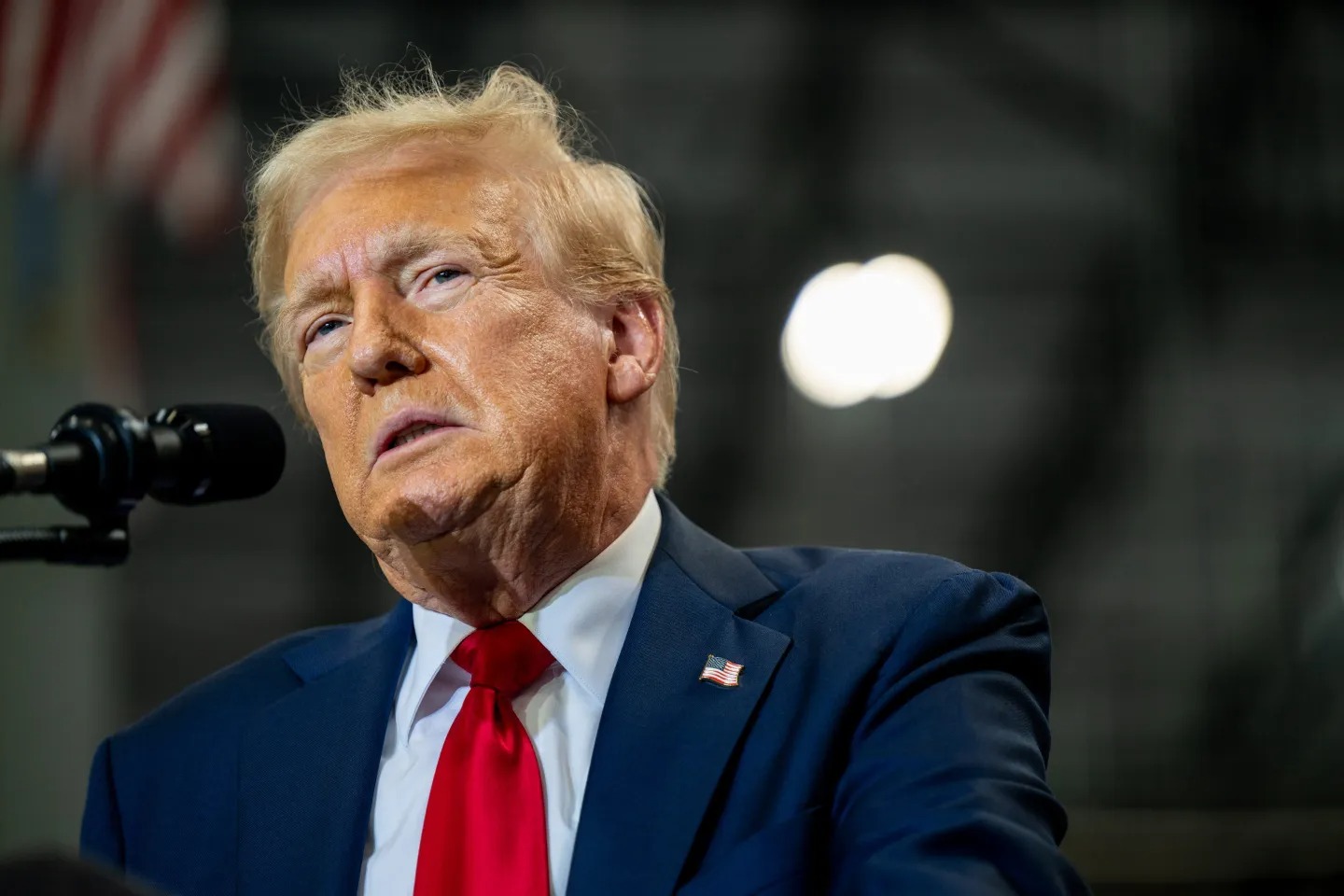
Individuals familiar with Trump’s media team indicated that the former president and his advisers were closely monitoring the coverage. Several sources described a sense of urgency within his circle as they prepared messaging to counter the clip’s rapid spread. While the specifics of the internal discussions remain private, people with knowledge of the deliberations said the team viewed the segment as part of a broader pattern of media hostility that they believed required an assertive response.
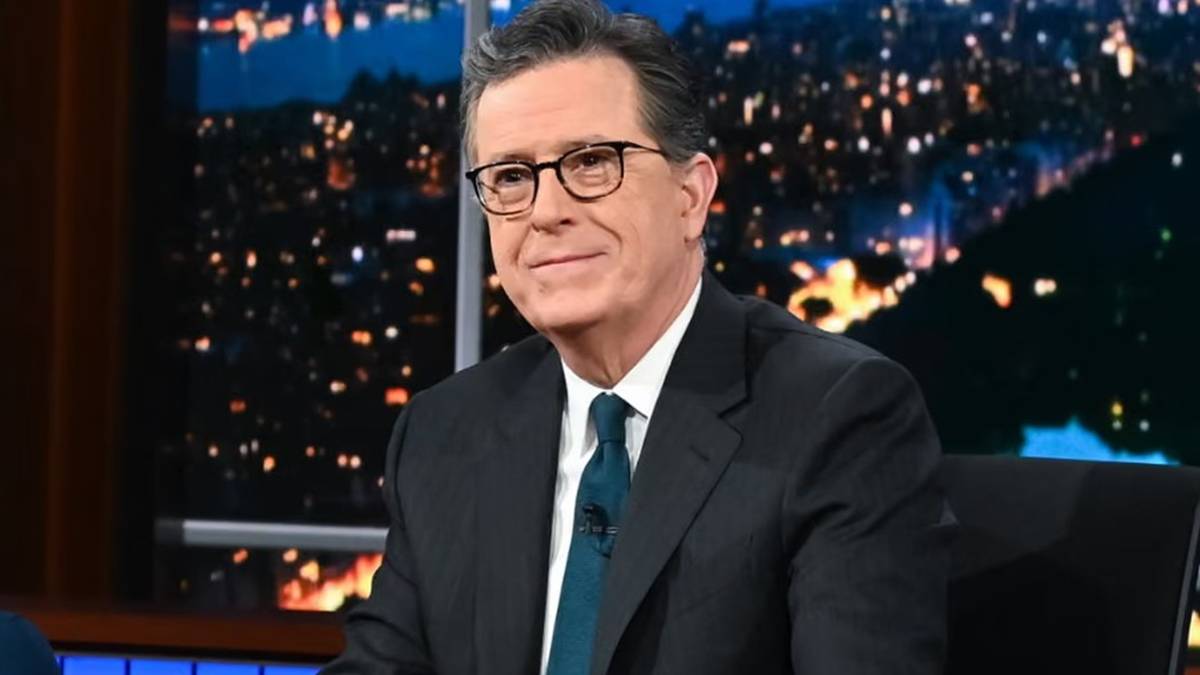
Political analysts observing the fallout noted that the controversy reflects a larger shift in the media ecosystem, in which late-night hosts increasingly function as influential commentators rather than solely entertainers. Colbert, one of the most consistently outspoken television hosts during the Trump presidency, has often used his platform to critique the former president’s words and actions. But the directness of his latest charge — and the subsequent political response — marked a notable escalation in the ongoing tension between Trump and the late-night landscape.
Advocacy groups responded quickly. Several civil rights organizations referenced the exchange in statements and interviews, arguing that the conversation underscored longstanding concerns about the treatment of immigrants and the rhetoric used to justify enforcement policies. On the other side, conservative media outlets framed the moment as an example of what they view as unfair portrayals and media bias. Editorials and on-air commentators questioned whether high-profile entertainers should inject such charged language into primetime programming.
Media scholars say the moment’s viral acceleration — and the speed with which Trump’s allies and critics mobilized — demonstrates the current dynamics of political communication. Broadcast moments that once lived only within the confines of a late-night program now travel instantly across platforms, accumulating interpretations that can amplify, distort or fundamentally reshape the original message. In this case, Colbert’s monologue quickly became a proxy for larger national conversations about race, policing, borders and media influence.
By midweek, the clip had been discussed on cable news segments, radio programs and political podcasts, becoming part of a larger narrative about how presidential politics continue to permeate cultural spaces. Some viewers praised Colbert for speaking bluntly; others expressed discomfort with the rhetoric or questioned whether the comparison he drew risked polarizing audiences further.
What remains clear is that the moment will likely continue to influence the public debate. With both political camps continuing to elevate their messaging, and with late-night television functioning as an increasingly central venue for that exchange, Colbert’s monologue illustrates how a single line delivered from behind a desk can reverberate far beyond the studio walls.
As the clip continues to circulate and new commentary emerges, the episode underscores a defining feature of American politics in the streaming era: moments that once belonged to entertainment now routinely shape — and reshape — the national conversation.