Inside the Fox News Breakdown That Exposed Trump — and the Unraveling Coalition Behind It
When a routine Fox News broadcast veered abruptly off script this week, few viewers understood what they were witnessing. Within minutes, the segment had been clipped, reposted, subtitled, remixed, and circulated across TikTok, X, and YouTube, igniting a political firestorm that neither the Trump White House nor Fox News executives have been able to contain.
What began as a standard panel discussion on national security morphed into the most startling on-air rupture the conservative network has faced in years. At the center of the controversy was Pete Hegseth, one of the channel’s most loyal Trump defenders, who—according to the video now viewed millions of times—appeared to confirm details about a controversial military strike that the administration had spent days trying to explain away. The strike, aimed at a vessel labeled a “narco-terrorist threat,” reportedly included an order allowing for “no survivors,” a phrase that immediately triggered concern within the Pentagon and among lawmakers from both parties.
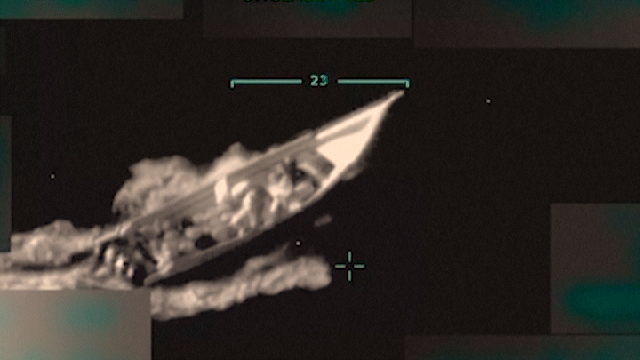
The White House had attempted to frame the operation as a decisive act of strength. Yet Fox News, intentionally or otherwise, forced the administration into a defensive crouch when Hegseth acknowledged on air that he had been personally briefed and was aware of the identities on board the vessel—undercutting claims that the strike had been a split-second decision or a mistaken response to ambiguous intelligence.
What followed was an extraordinary cascade of narrative shifts. Almost overnight, Fox News personalities and pro-Trump commentators began redirecting blame away from the president. SEAL Team 6, Navy commanders, Pentagon officials—even unnamed “deep-state bureaucrats”—were cited as potential sources of misjudgment. The network, however, could not escape the fact that one of its own had effectively contradicted the administration’s line.
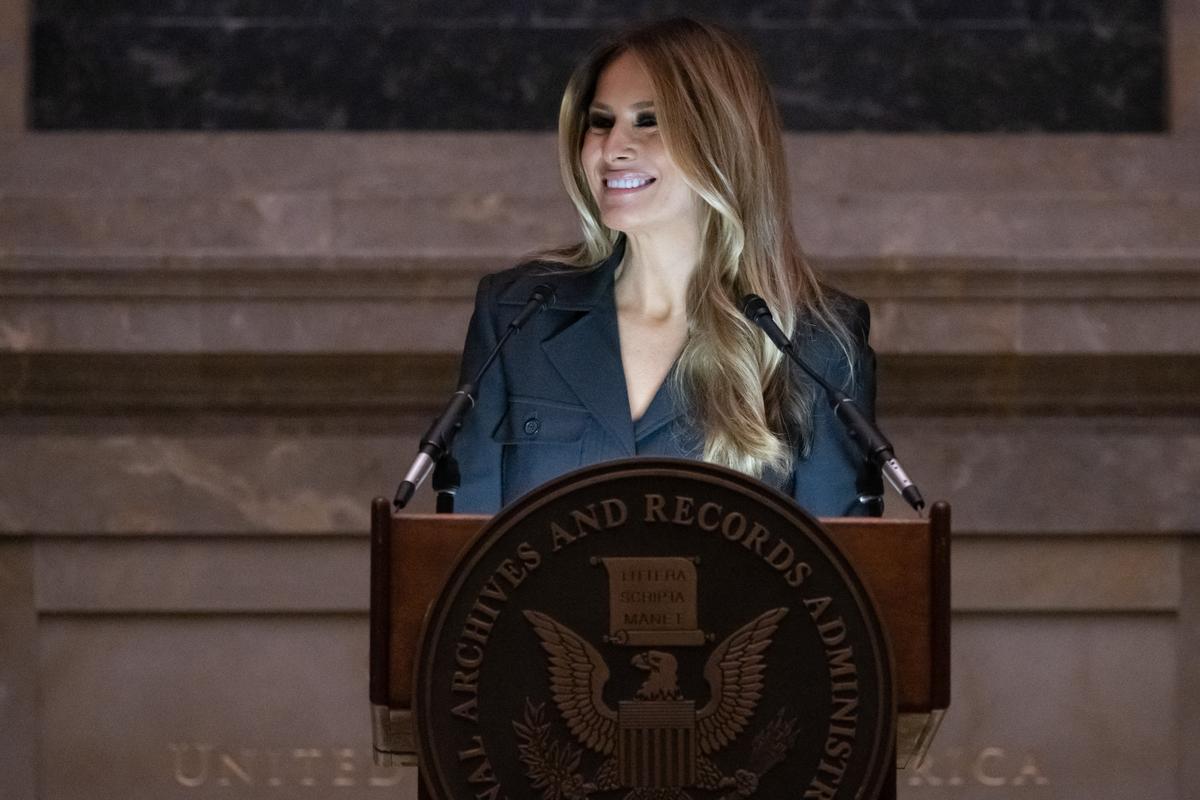
To divert attention, producers swiftly pivoted into cultural politics. Melania Trump was reintroduced into the Fox News universe as the embodiment of “American tradition” and “the defense of Christian Christmas values,” despite the resurfacing of an older clip in which she bluntly declared she did not “care” about holiday decorations. The dissonance between narrative and archive did little to stabilize the situation.
Behind the scenes, the atmosphere was far more strained than what appeared on screen. According to a person familiar with internal discussions at the network, senior producers had been grappling with weeks of tension between talent loyal to Trump and those who privately expressed concern over recent foreign and domestic decisions. The on-air breakdown, this source said, “wasn’t a mistake—it was a rupture that had been coming for a long time.”
The pressure extended far beyond Fox. At the following day’s White House briefing, even a Fox News correspondent pressed the administration for legal justification: under what statute could the president authorize an order that effectively barred the possibility of survivors? And, as the reporter put it, how could the administration simultaneously claim to be tough on cartels while granting clemency to a convicted Honduran trafficker? The questions signaled that the network itself was struggling to reconcile its loyalty to Trump with rising strategic and reputational risks.
The administration’s response was carefully constructed yet noticeably brittle—framing the strike as a matter of national defense while arguing that internal Justice Department reforms were needed to correct past “mismanagement.” In effect, Trump’s aides attempted to transform a controversy about lethal force into a story about bureaucratic cleanup.
Still, the public reaction proved impossible to manage. Commentators on the right framed criticism of the strike as unpatriotic; commentators on the left questioned the legality of the operation. Independent analysts warned of a “culture-war vortex” that distracted from the far more serious issue of executive military authority.
Meanwhile, within Fox News, staff members were left to navigate an increasingly unstable editorial environment. Several employees described the mood as “confused,” “agitated,” and “deeply divided.” One producer said privately that the clip had “accelerated a reckoning we’ve been trying to avoid for years.”
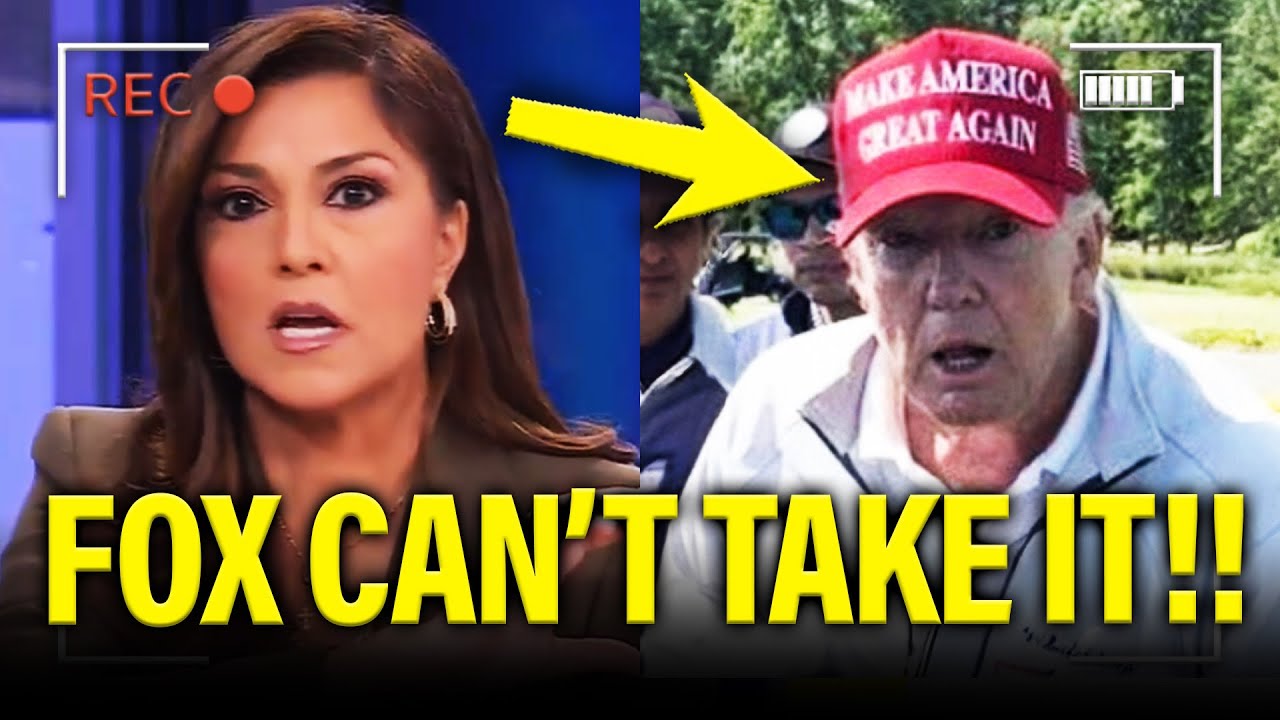
In this moment of volatility, the question is no longer whether a single broadcast exposed fissures in the Trump-Fox alliance—it is how deep those fissures run, and whether they can be repaired before the political costs escalate further. What is clear is that the viral moment captured more than a production mishap: it illuminated a once-unified media-political apparatus struggling to maintain coherence amid internal dissent, public scrutiny, and a rapidly shifting information landscape.
As the clip continues to circulate—an artifact of a breakdown that no one can fully control—the aftershocks are still unfolding. And for both Fox News and the Trump administration, the crisis now playing out in full public view is far from over.