Late-Night Commentary From Jimmy Kimmel and Chris Rock Sparks Surge of Online Debate Over Trump
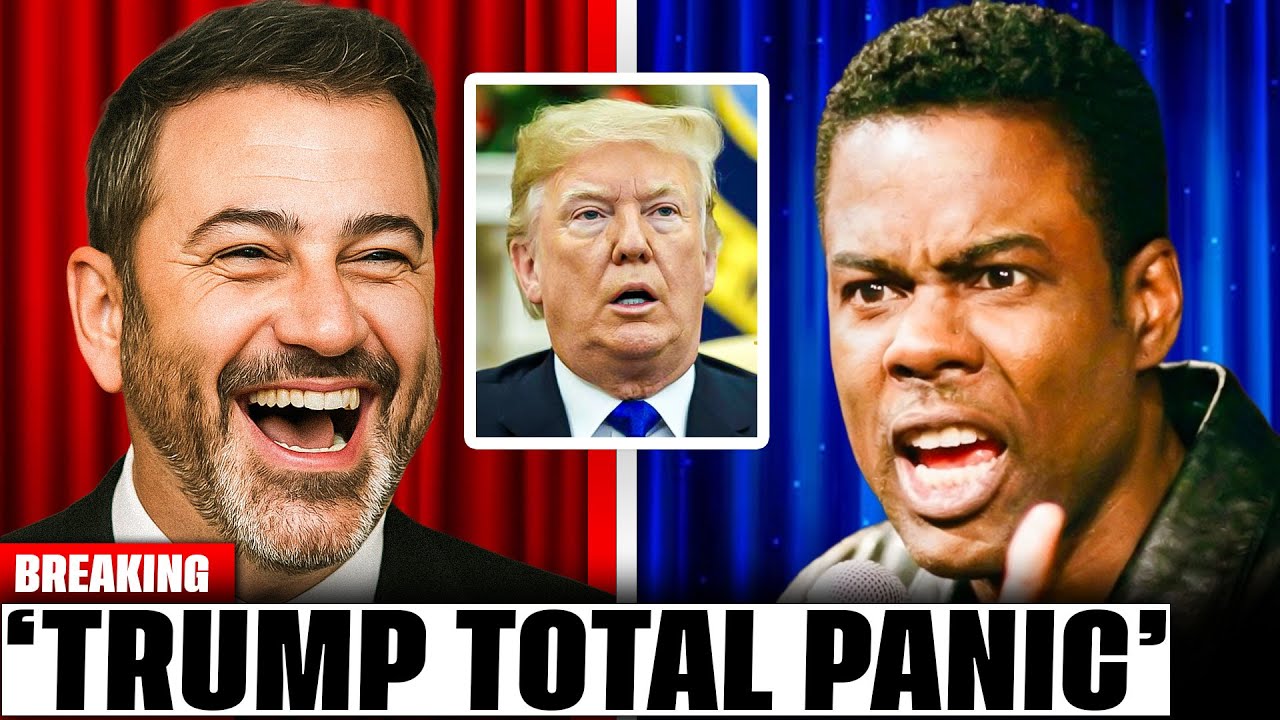
A pair of high-profile late-night moments from Jimmy Kimmel and comedian Chris Rock has ignited a fresh wave of national conversation, as their recent televised remarks about former President Donald J. Trump spread rapidly across social media. While online reactions have dramatized the exchange in sweeping terms, the segments themselves were rooted in satire—a hallmark of both performers’ comedic approach—rather than direct political confrontation.
The viral attention follows a week in which Mr. Trump has remained prominently in the headlines due to ongoing campaign activity and developments in various legal cases. The late-night commentary added yet another layer to an already intense political atmosphere, underscoring the central role that entertainment figures often play in shaping public discussion around American politics.
A Night of Sharp-Edged Comedy
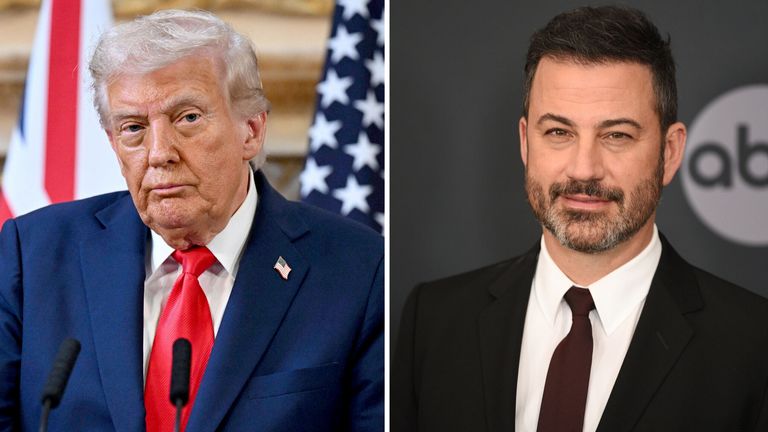
On Jimmy Kimmel Live!, the host delivered an extended monologue analyzing Trump’s recent public statements on the campaign trail. Kimmel, who has frequently become a foil for the former president, blended humor with pointed criticism, citing video clips of Trump’s rallies and interviews. His remarks highlighted what he described as inconsistencies in Trump’s messaging on the economy, immigration, and the 2024 race.
Later in the evening, Chris Rock—appearing in a separate televised comedy segment—offered his own satirical take on the former president. Rock’s commentary was distinct in tone, leaning into observational humor as he reflected on the ways Trump continues to dominate American political discourse. Though Rock did not focus extensively on policy, his jokes centered on the cultural dynamics that surround Trump’s public persona.
Both segments aired to enthusiastic studio audiences, but it was the online reaction that transformed them into a trending political moment. Within hours, clips began circulating across platforms including X, TikTok, Instagram Reels, and YouTube. Collectively, they amassed millions of views, spawning thousands of comment threads, reaction videos, and debates across the political spectrum.
Social Media Amplification
:max_bytes(150000):strip_icc()/donald-trump-jimmy-kimmel-031824-344c3ea21e474793bf807b0254e39e4a.jpg)
Supporters of the comedians praised the segments as incisive and timely, arguing that the commentary captured growing public fatigue with political rhetoric. Many viewers emphasized the comedians’ ability to blend humor with criticism in a way that makes political issues more accessible.
On the other side, conservative commentators characterized the segments as familiar examples of what they describe as Hollywood’s continued hostility toward Trump. Some argued that late-night shows have become predictable in their treatment of Republican candidates, while others accused the hosts of contributing to political polarization.
The Trump campaign did not issue a formal response to either segment. Several individuals close to the campaign, speaking to multiple media outlets, indicated that staffers were aware of the viral attention but did not expect it to influence strategy or messaging. Historically, Trump has responded directly to comedians’ critiques, especially when they gain widespread traction, though there was no such immediate reaction in this instance.
Comedy’s Influence on the Political Narrative
The combined visibility of Kimmel and Rock reflects a broader trend in American media: the increasing overlap between entertainment and politics. Late-night shows have evolved from light entertainment into platforms that frequently address national issues, and comedians often serve as cultural interpreters during election cycles.
“Satirical commentary has become a major vehicle for political engagement,” said Maya Heller, a media analyst at New York University. “Viewers who may not follow traditional news outlets closely often encounter political information through comedic framing. In many cases, these segments become the starting point for broader public debate.”
Chris Rock, known for weaving social and political commentary into his stand-up routines, has long been viewed as a cultural critic whose observations resonate across demographic lines. Kimmel, meanwhile, has become an increasingly prominent voice in political conversations over the past decade, especially as his monologues have taken on more issues related to public policy, elections, and civic life.
A Familiar Source of Contention
For Trump, attention from late-night television personalities is nothing new. Throughout his political career, he has often been the subject of jokes, impersonations, and satirical commentary. At times, he has even responded directly—criticizing comedians or sketch shows on social media, particularly during his presidency.
Political strategists note that while late-night humor rarely shifts voter intentions, it does influence how certain stories are framed in the public consciousness. “Comedy can amplify narratives very quickly,” said Jonah Mercer, a political communication researcher. “What begins as a joke can become a widely shared reference point in national discussions.”
Looking Ahead
As the 2024 race continues to intensify, moments like the Kimmel and Rock segments are likely to recur—and to spark similarly intense reactions. The intersection of media, politics, and entertainment has become a defining feature of modern elections, and social platforms amplify each moment at unprecedented speed.
In an era where satire, commentary, and politics frequently collide, even a brief comedic exchange can capture the country’s attention, offering both levity and pointed critique in a polarized national landscape.