Late-Night Critiques From Jimmy Kimmel and Bill Maher Spark New Wave of Debate Around Trump
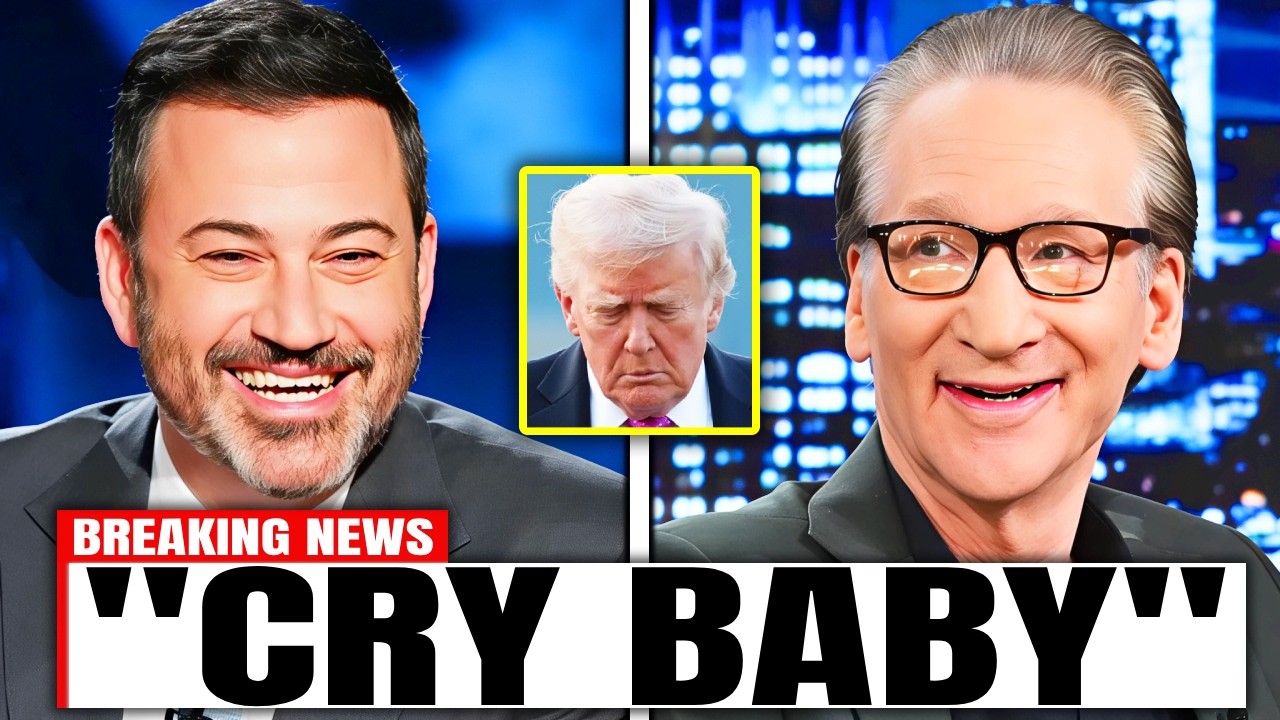
A pair of high-profile late-night segments from Jimmy Kimmel and Bill Maher has ignited intense conversation across social media platforms, drawing widespread attention to their sharp, comedic critiques of former President Donald J. Trump. While reactions online have framed the moments in dramatic, sometimes exaggerated terms, the segments themselves reflected a familiar pattern: late-night hosts using satire to comment on the political landscape as the 2024 election season accelerates.
Kimmel, host of Jimmy Kimmel Live!, and Maher, host of HBO’s Real Time With Bill Maher, delivered monologues last week that dissected Trump’s recent public remarks, campaign messaging, and ongoing legal and political challenges. Both hosts—long-time critics of the former president—used humor to underscore what they described as inconsistencies and escalating rhetoric from the Republican front-runner.
The clips, circulated widely across YouTube, TikTok, and X, rapidly climbed into the millions of views, generating heated discussion among viewers across the political spectrum. Supporters of the comedians praised their commentary as timely and incisive; Trump allies dismissed the segments as predictable criticism from Hollywood’s progressive sphere.
Late-Night Television as Political Stage
Kimmel’s monologue focused on Trump’s recent public statements at campaign stops, pairing video clips with satirical commentary on the former president’s reactions to polling, media coverage, and his ongoing court proceedings. The host, who has frequently sparred with Trump on social media in past years, delivered his remarks with a tone of exasperated humor.
Maher, meanwhile, offered a broader cultural critique during his Real Time monologue, arguing that Trump’s political persona continues to dominate media cycles even as the race enters a more crowded phase. Maher framed the former president as “the unavoidable gravitational force of American politics,” a description that sparked its own wave of debate online.
Though neither late-night host made claims beyond the scope of commentary and satire, the viral reaction underscored how politically charged comedy has become a lightning rod for partisan discourse.
Online Reaction and Media Amplification

The segments were quickly clipped and shared by fan accounts, political pages, and entertainment outlets, transforming late-night humor into a trending political moment. Hashtags related to the clips rose to the top of trending lists on X and TikTok within hours.
Many viewers applauded the comedians for what they saw as clear-eyed ridicule of the former president’s recent public behavior. Others argued that the tone of the commentary exemplified a broader media alignment against Trump.
Several prominent conservative commentators dismissed the segments as “standard late-night fare,” while others accused Kimmel and Maher of inflaming political polarization. The Trump campaign did not issue an official response, though individuals close to the campaign told multiple news outlets that the former president remains focused on upcoming rallies and strategic messaging.
Comedy’s Role in the Political Conversation
The heightened attention to these late-night critiques reflects a larger trend. With trust in traditional news outlets fluctuating, comedians have increasingly become influential voices in shaping political narratives. Kimmel, Maher, Jon Stewart, and other long-standing figures in the genre often command audience sizes rivaling those of cable news channels.
“Late-night hosts have become key mediators of political culture,” said Danielle Schaffer, professor of communication at Stanford University. “Their commentary—whether humorous, biting, or provocative—resonates widely because it combines information with entertainment. That combination is especially potent during election years.”
Stewart’s recent limited return to The Daily Show and John Oliver’s continued rise on Last Week Tonight further underscore the era’s appetite for politically charged humor.
A Familiar Flashpoint for Trump

Trump has long been a subject of late-night monologues, dating back to the 1980s, when he appeared regularly in tabloid culture. During both of his presidential campaigns, he has used criticism from comedians as a rallying point among supporters, occasionally responding to jokes via social media or at campaign rallies.
Political analysts note that while comedic ridicule rarely shifts voter behavior, it does influence the media environment in which campaigns operate. Late-night commentary often introduces political topics to audiences that do not follow traditional news closely, widening the reach of political narratives.
Looking Ahead
As the 2024 race grows increasingly contentious, the intersection of comedy and politics is likely to intensify. Kimmel and Maher’s segments illustrate how quickly late-night moments can reverberate across the digital landscape, shaping conversations far beyond the studio.
With major political events on the horizon—including debates, conventions, and high-profile court dates—late-night hosts appear poised to continue playing a significant role in analyzing, amplifying, and occasionally lampooning the nation’s political discourse.
In a media environment defined by speed, spectacle, and saturation, even a comedic monologue can set off waves of commentary and controversy—reflecting not only the nation’s political divide but also the enduring influence of humor in American public life.