Kash Patel Accused of Perjury in FBI Purge Scandal, Sparking Outrage in Washington and Online Fury
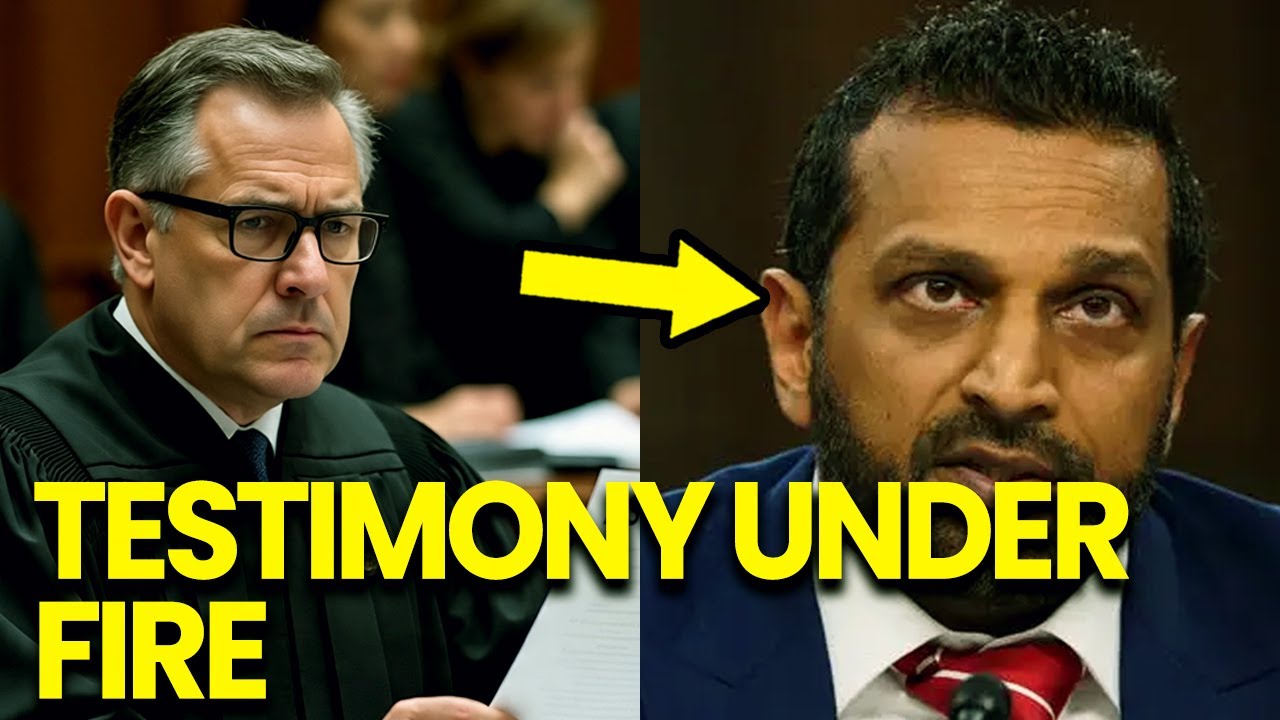
In a dramatic escalation of tensions gripping the nation’s capital, Kash Patel, the controversial FBI director appointed by President Donald J. Trump, faces mounting allegations of lying under oath during his Senate confirmation hearing earlier this year. The accusations, leveled by top Democrats and backed by whistleblower accounts, center on a sweeping internal purge at the Federal Bureau of Investigation that has targeted career agents involved in politically sensitive investigations, including those related to the January 6, 2021, Capitol riot and inquiries into Mr. Trump’s business dealings.
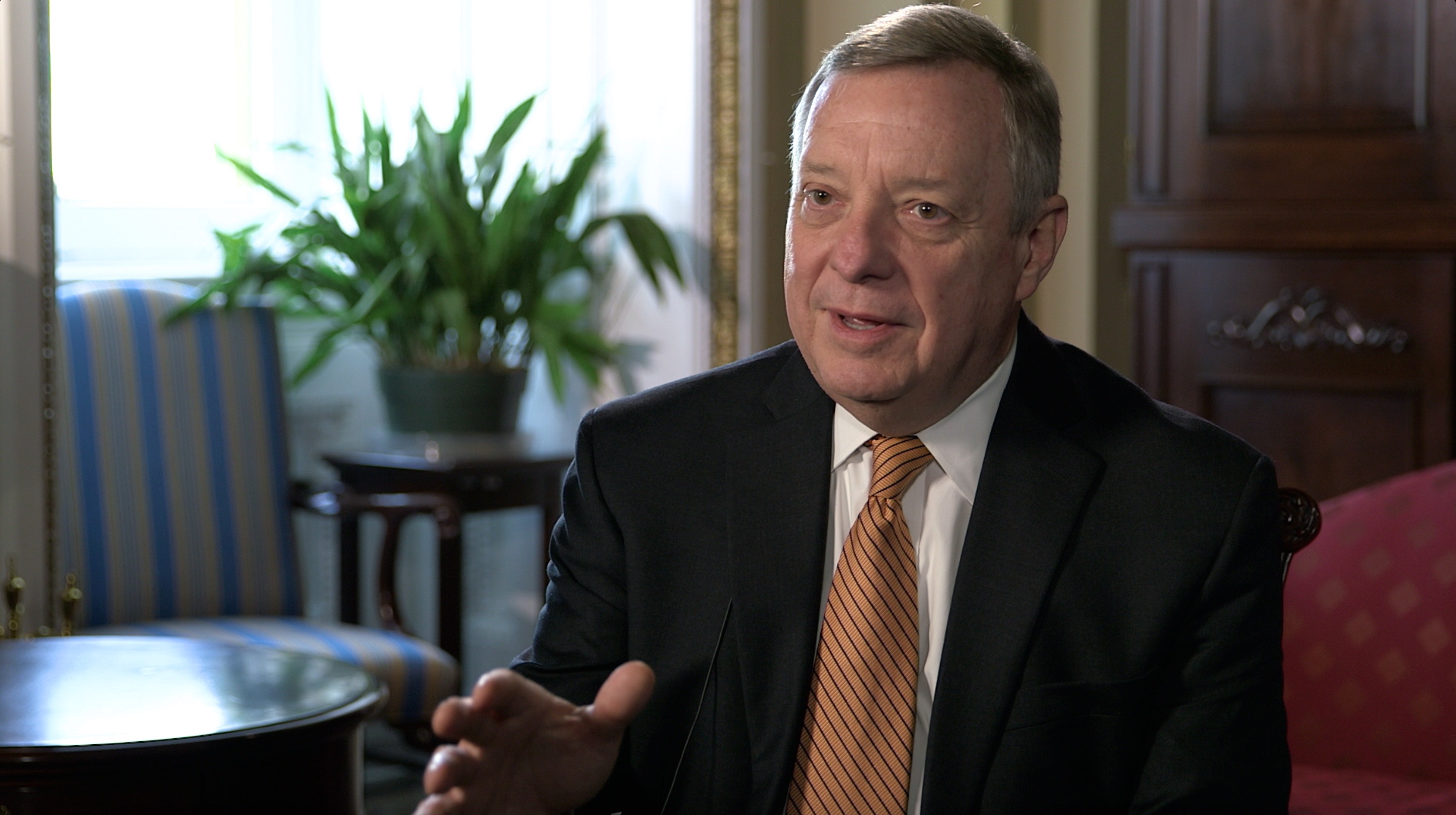
The revelations, first detailed in a blistering letter from Senator Dick Durbin of Illinois, the ranking Democrat on the Senate Judiciary Committee, have ignited a firestorm across Washington. Mr. Durbin, speaking on the Senate floor last week, declared that “multiple brave whistleblowers” had come forward with evidence showing Mr. Patel’s direct involvement in orchestrating the dismissals — actions he explicitly denied under oath just months before assuming the role. “Mr. Patel likely committed perjury in making that statement,” Mr. Durbin said, referring to the nominee’s testimony that he had “no knowledge” of any plans to retaliate against FBI personnel.
The scandal, which has rapidly trended on social media platforms under hashtags like #PatelPerjury and #FBIPurge, has drawn sharp rebukes from senators, former intelligence officials, and watchdog groups. Senator Cory Booker of New Jersey, a member of the Judiciary Committee, called for an emergency hearing to compel Mr. Patel to testify anew, warning that the purges “create chaos within the FBI and jeopardize our domestic and national security.” Even some Republican lawmakers have expressed private unease, though none have publicly broken ranks with the Trump administration.
At the heart of the controversy is a series of abrupt firings and reassignments that began shortly after Mr. Patel’s confirmation in February 2025. According to reports from The Washington Post and other outlets, more than 200 senior FBI executives — many of whom oversaw probes into the 2020 election interference and the Capitol attack — have been removed or sidelined. Whistleblowers, speaking anonymously to congressional staff, allege that Mr. Patel, while still a private citizen awaiting Senate approval, issued directives through intermediaries to prioritize the ouster of agents deemed “disloyal” to the incoming administration. These claims directly contradict Mr. Patel’s sworn statements during a January hearing, where he assured senators, “I don’t know what’s going on right now at the FBI” regarding personnel matters and vowed to shield employees from political retribution.
Mr. Patel, a 45-year-old former national security prosecutor and staunch Trump ally, has long been a polarizing figure. Born to Indian immigrant parents in Garden City, New York, he rose through the ranks of the Justice Department during Mr. Trump’s first term, earning a reputation as a fierce defender of the president against what he called the “deep state.” His nomination to lead the FBI — a 10-year post traditionally insulated from partisan politics — was confirmed along party lines in a 12-10 vote, despite vehement opposition from Democrats who cited his history of promoting conspiracy theories, including unsubstantiated claims that the FBI fabricated evidence in the Russia investigation.

Critics argue that the purges represent a dangerous politicization of the bureau, echoing historical abuses like the FBI’s COINTELPRO program in the 1960s, which targeted civil rights leaders under J. Edgar Hoover. “This isn’t reform; it’s revenge,” said Elizabeth Goitein, a senior fellow at the Brennan Center for Justice, a nonpartisan watchdog group. In an interview, Ms. Goitein highlighted how the dismissals have disrupted ongoing investigations, including those into domestic extremism and foreign election meddling. “The FBI’s independence is the bedrock of our democracy,” she added. “Eroding it invites authoritarianism.”
The online backlash has been swift and unrelenting. On X, formerly Twitter, posts accusing Mr. Patel of perjury garnered over 5 million views in the past 48 hours, with users from across the political spectrum decrying the moves as an assault on law enforcement integrity. One viral thread, shared by a former FBI special agent, read: “Patel swore to protect the Constitution, not purge it of patriots who did their jobs.” Progressive influencers and conservative skeptics alike have amplified the outrage, turning #FirePatel into a top trending topic. Even Elon Musk, the tech billionaire and Trump supporter, weighed in with a cryptic post: “Truth under oath? Rare like a honest politician. ”
Insiders paint a picture of internal turmoil at FBI headquarters in Washington. Current and former agents, granted anonymity to discuss sensitive matters, describe a climate of fear where loyalty tests — informal quizzes on views of the 2020 election — have become routine. One veteran investigator, who worked on the January 6 probe, said colleagues are “walking on eggshells,” hesitant to pursue leads that might displease the White House. “We’ve lost decades of expertise overnight,” the agent said. “It’s not about efficiency; it’s about erasing history.”
The White House has dismissed the allegations as a “Democrat witch hunt,” with press secretary Karoline Leavitt issuing a statement defending Mr. Patel as a “reformer draining the swamp of corrupt bureaucrats.” In a Fox News interview aired Sunday, Mr. Patel himself pushed back, claiming the personnel changes were “long-overdue housekeeping” to address misconduct, not politics. He accused his accusers of leaking classified details to sabotage his leadership, invoking his oath to “find the conspirators” in government and media.
Yet the accusations extend beyond the purges. During the same hearing, Mr. Patel denied familiarity with far-right podcaster Stew Peters, despite multiple appearances on his show promoting antisemitic tropes and election denialism. And in a separate congressional testimony last month, Representative Melanie Stansbury, Democrat of New Mexico, accused him of misleading lawmakers on the bureau’s handling of the Jeffrey Epstein files, calling it “a felony” under federal perjury statutes.
Legal experts say the path forward could involve a referral to the Justice Department’s inspector general or even criminal charges, though political realities make prosecution unlikely under a Trump-led administration. “Perjury requires intent, but the evidence here is damning,” said Barbara McQuade, a former U.S. attorney and MSNBC legal analyst. “If whistleblowers testify publicly, it could force accountability.”
As the scandal spirals, it underscores deeper fissures in American governance. Mr. Trump’s return to the White House has accelerated vows to reshape federal agencies, but at what cost? For the FBI, once a symbol of impartial justice, the answer grows murkier by the day. With midterm elections looming and public trust in institutions at historic lows, the coming weeks could determine whether Mr. Patel’s tenure marks a turning point — or a breaking one.