WASHINGTON, D.C. — In an unusual and increasingly scrutinized sequence of events, the White House abruptly shut down press access Thursday afternoon just as the bipartisan Epstein Records Transparency Resolution was reportedly transmitted for President Donald J. Trump’s signature. The sudden move — delivered through an unexpected “lid” announcement that halted all public activity — immediately ignited widespread speculation across political circles and social media platforms.

According to multiple reporters stationed on the White House grounds, the administration provided no explanation for the lid, no schedule update, and no confirmation that the Epstein bill had reached the Oval Office. Caitlin Collins of CNN described the environment as “radio silence,” noting that even senior communications officials “declined to answer the most basic procedural questions.” The unusual breakdown of information control has prompted intense debate about what, if anything, is unfolding behind closed doors.
A Rapid Escalation of Public Attention
The Epstein transparency bill, which passed through both chambers of Congress with overwhelming support, mandates the release of thousands of pages of sealed federal documents tied to the long-running case involving financier Jeffrey Epstein and his network of associates. The legislation, framed around public-interest transparency, has drawn attention from both sides of the political spectrum.
Ordinarily, a high-profile transparency bill — especially one passed with near-unanimous support — would be accompanied by a clear timeline for signing or at minimum press guidance about next steps. Instead, Thursday’s blackout created a vacuum that quickly filled with theories, political commentary, and partisan tension.
On X, the hashtag #WhereIsTheBill surged within minutes. Clips of confused reporters attempting to question White House staff were shared hundreds of thousands of times, some garnering millions of views. “This is not how a functioning administration handles a major bipartisan bill,” one political analyst wrote. Others urged caution, noting that logistical delays between congressional transmission and presidential review are not unprecedented.

Officials Offer Little Clarity
While public attention grew, comments from government officials did little to settle the uncertainty. Stephen Miller, deputy chief of staff, briefly addressed reporters during an unrelated press availability but declined to comment on whether the bill was on the President’s desk or when it might be signed. “I have nothing to add at this time,” he said, redirecting questions to the communications team — which, by that point, had already stopped responding.
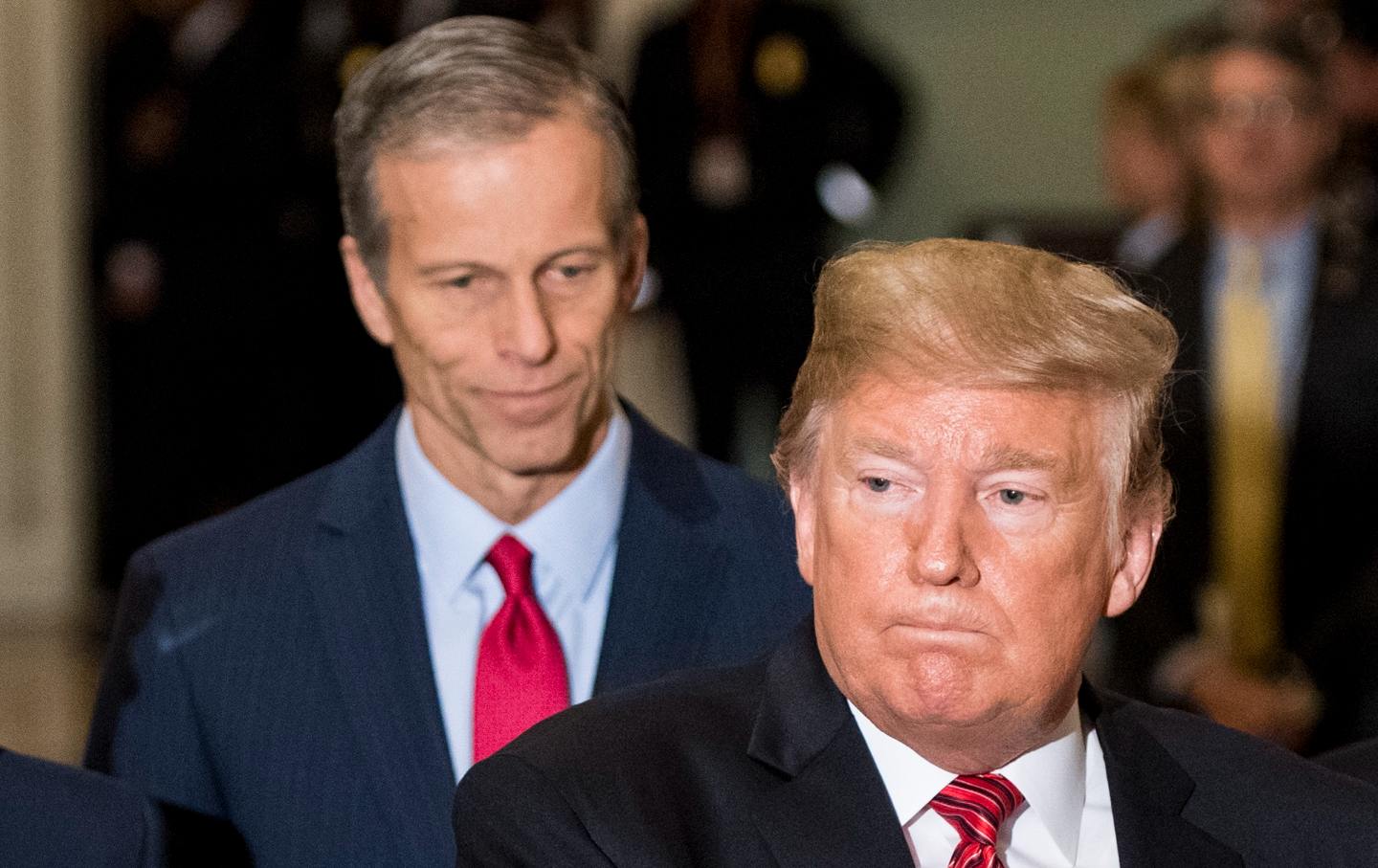
On Capitol Hill, Senate Majority Whip John Thune stated he believed the Department of Justice would “make the right decisions” regarding transparency but acknowledged he had no information about the bill’s status at the White House. His comments reinforced a sense of institutional disconnect that many observers found striking.
The Department of Justice, through longstanding policy, has emphasized the need to protect victims and preserve any investigations that may be ongoing. Several lawmakers, however, contend that the newly passed resolution includes clear instructions limiting the scope of any such exemptions.
Silence From the White House Raises Questions
The White House has previously been criticized for irregular handling of certain high-profile legislative processes, but Thursday’s full shutdown of public-facing operations drew exceptional attention. Scholars of presidential communication say such moves often backfire, amplifying suspicion rather than dampening it.

“In the modern media environment, silence is not neutral — it’s interpreted as intentional,” said Dr. Elena Park, a political communication specialist at Georgetown University. “When the public already anticipates controversy, unexplained silence becomes its own kind of message.”
Behind the scenes, some administration aides — speaking anonymously because they were not authorized to comment — suggested the bill may still be undergoing legal review to determine the scope of records that can be released within statutory limits. The New York Times could not independently verify these claims.
A Growing National Focus
As the hours passed without any statement from the administration, pressure from lawmakers, journalists, advocacy groups, and survivors continued to mount. Some argued that a signing delay inherently undermines the spirit of the bill, which was designed to ensure swift public disclosure. Others warned that rushing the process without careful review could compromise ongoing matters or retraumatize individuals connected to the case.
Nevertheless, the abrupt lid — coupled with the administration’s refusal to address even procedural questions — made Thursday one of the most scrutinized moments of the Trump presidency since his return to office. Across Washington, political insiders described a sense of “deepening tension” as agencies and congressional offices awaited confirmation of next steps.
For now, the country watches and waits. The White House has not indicated when it will resume press briefings or provide an official update. Until then, the mystery surrounding the Epstein bill — and the administration’s sudden retreat from visibility — remains at the center of national attention.