Politics — Analysis
Trump’s Late-Night Posting Frenzy Alarms Advisers as Unfiltered Messages Flood Social Platforms
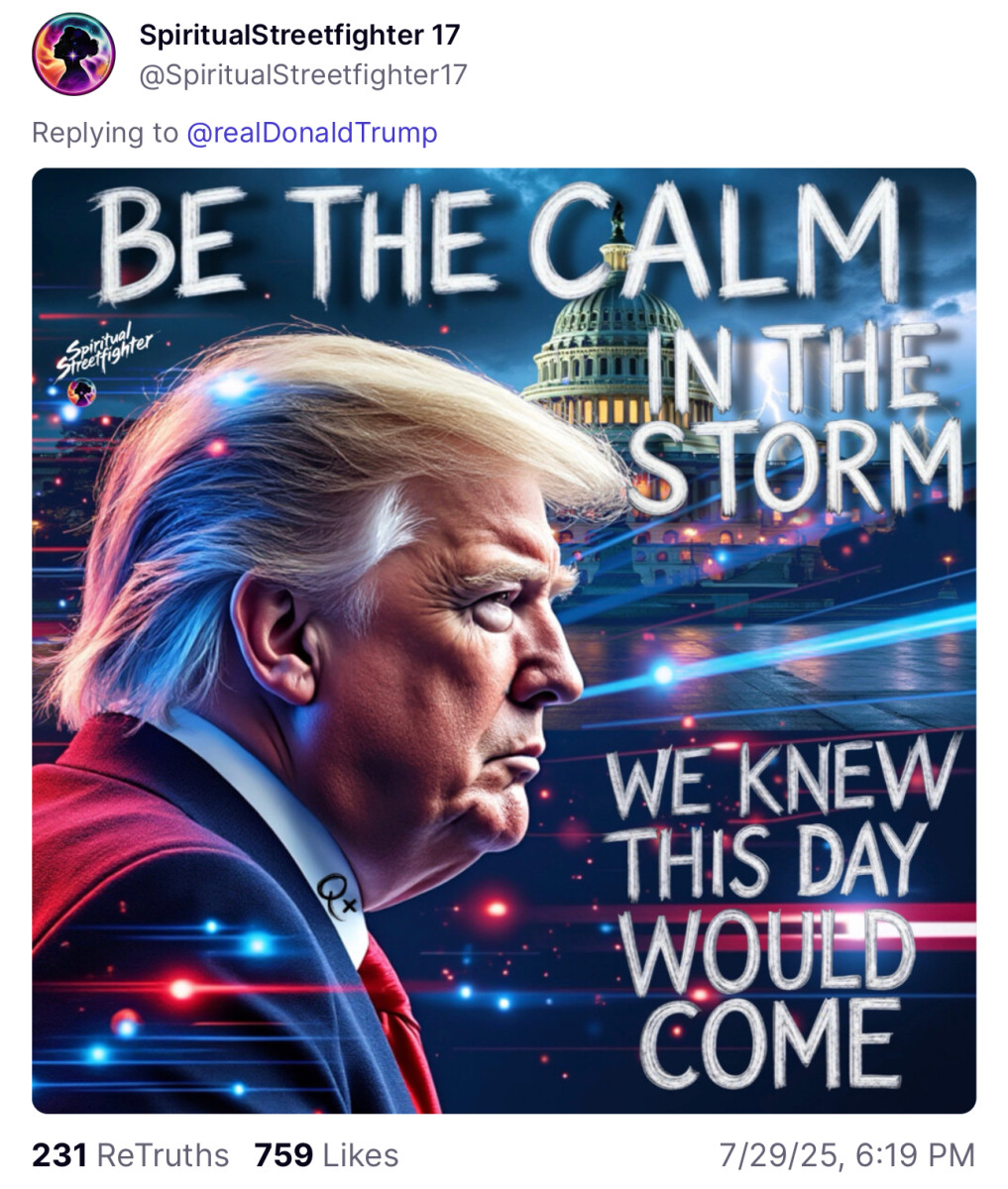
Former President Donald J. Trump spent much of Monday night posting a rapid series of cryptic, accusatory messages on several social platforms, according to multiple people familiar with the episode — a late-night outburst that left close advisers unsettled and prompted renewed internal debate about how to manage his increasingly erratic online behavior.
The episode began shortly after midnight at Mar-a-Lago, where Mr. Trump, according to two advisers who spoke on the condition of anonymity, appeared “agitated, restless and unable to sleep” as he scrolled through a combination of cable-news commentary, fringe political forums and QAnon-linked accounts. Within minutes, his own posts began appearing in rapid succession — more than three dozen in total — many referencing conspiracy claims, grievances about ongoing investigations, and warnings of political persecution.
Several posts were deleted within minutes, but screenshots circulated almost immediately, ricocheting across social platforms and triggering a wave of commentary before dawn. While Mr. Trump has long used late-night posting to vent frustration or test messaging, senior advisers said privately that the intensity and tone of Monday night’s activity was “well beyond his typical pattern.”
Aides Struggle to Intervene
According to individuals inside his political operation, advisers attempted to reach Mr. Trump throughout the night after noticing the escalation. Two aides described a “scramble” among senior staffers, with multiple people calling one another to coordinate a response and discuss whether anyone at the residence could intervene directly.
One person familiar with the situation said an aide near the residence knocked on Mr. Trump’s door shortly after 2 a.m., hoping to “de-escalate” the situation before more posts appeared. The attempt was unsuccessful. “He was convinced he needed to ‘set the record straight’ immediately,” the person said, describing the former president as “worked up” and “locked in a loop of grievance.”
By morning, advisers were drafting statements to clarify or walk back some of the most inflammatory claims. They privately acknowledged they were concerned the posts could complicate ongoing legal matters or alienate Republican allies already wary of Mr. Trump’s unpredictability.
Republican Strategists Worry About Political Fallout
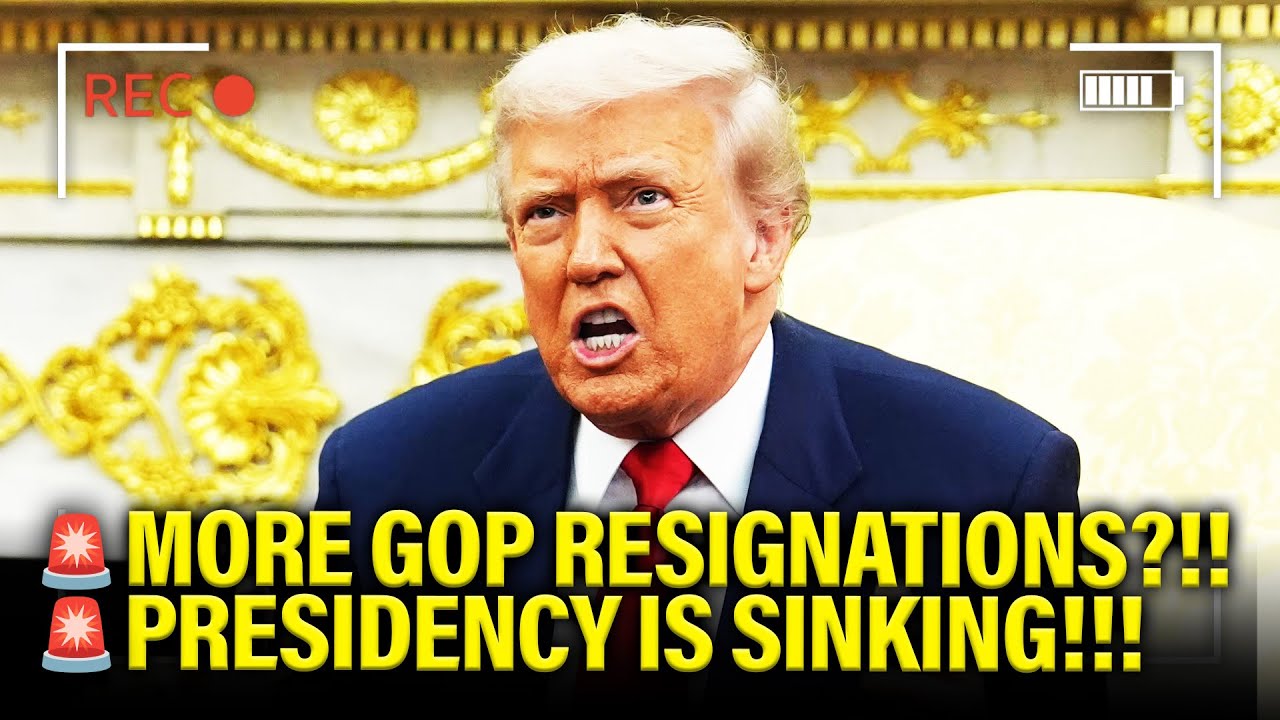
Though the former president remains dominant among parts of the Republican base, several GOP strategists expressed concern on Tuesday about the optics of the overnight burst of messaging. One senior Republican consultant said the episode was “the kind of thing that makes donors nervous,” noting that Mr. Trump’s rivals have increasingly framed him as too erratic to guide the party through a general election.
Another Republican senator, speaking anonymously to avoid provoking a backlash, said the late-night posts “underscore why some of us worry about his discipline.” The senator added, “There’s campaigning, and then there’s whatever this was.”
Publicly, Trump allies dismissed the episode, describing it as “spirited engagement” with his supporters. Still, the defensive tone belied a noticeable anxiety behind the scenes, as advisers sought to prevent the story from dominating the news cycle.
Social Platforms Flooded With Reactions
By sunrise, hashtags referencing the overnight meltdown were trending across X, TikTok and YouTube. Analysts noted that the chaotic nature of the posts — which veered from political commentary to conspiratorial references — created a fertile environment for viral speculation.
Media researchers observed that several QAnon-linked channels amplified Mr. Trump’s messages, framing them as intentional signals rather than impulsive reactions. The mainstreaming of those interpretations, which quickly reached millions of users, prompted digital-safety experts to call on platforms to apply consistent moderation policies.
“The speed at which misinformation was repackaged and distributed illustrates the increasingly porous boundary between political messaging and online extremism,” said Dr. Elena Marshall, a researcher at the Stanford Internet Observatory.
Legal Teams Consider Ramifications
The flurry of posts also caught the attention of Mr. Trump’s legal team, according to two attorneys familiar with their discussions. Some advisers worried that his comments about witnesses, ongoing investigations and prosecutors could be interpreted as attempts to influence or undermine legal processes — a risk that his lawyers have repeatedly warned him about.
“It’s not just optics,” a former federal prosecutor said. “When a client with multiple active legal matters posts emotionally charged, unfiltered commentary in the middle of the night, that becomes part of the evidentiary picture.”
Campaign Attempts to Regain Control
By late afternoon, Trump’s political team attempted a reset, releasing a more measured statement emphasizing economic policy and future campaign themes. But reporters pressed advisers throughout the day about the overnight turmoil, which they repeatedly attempted to downplay.
Whether the episode will have lasting political consequences remains unclear. Some analysts suggested that the former president’s base is accustomed to his unpredictable social-media habits, while others said the volatility could reinforce doubts among undecided voters.
For now, the incident offers a revealing window into the pressures surrounding Mr. Trump as legal challenges intensify and the political calendar accelerates. It also highlights the growing difficulty his advisers face in balancing his instinctive communication style with the strategic discipline needed in a modern national campaign.