Satire / Political Fiction
Senior Navy Officer Raises Alarms Over Drone Strike Protocols, Prompting Intensifying Scrutiny Inside Pentagon
|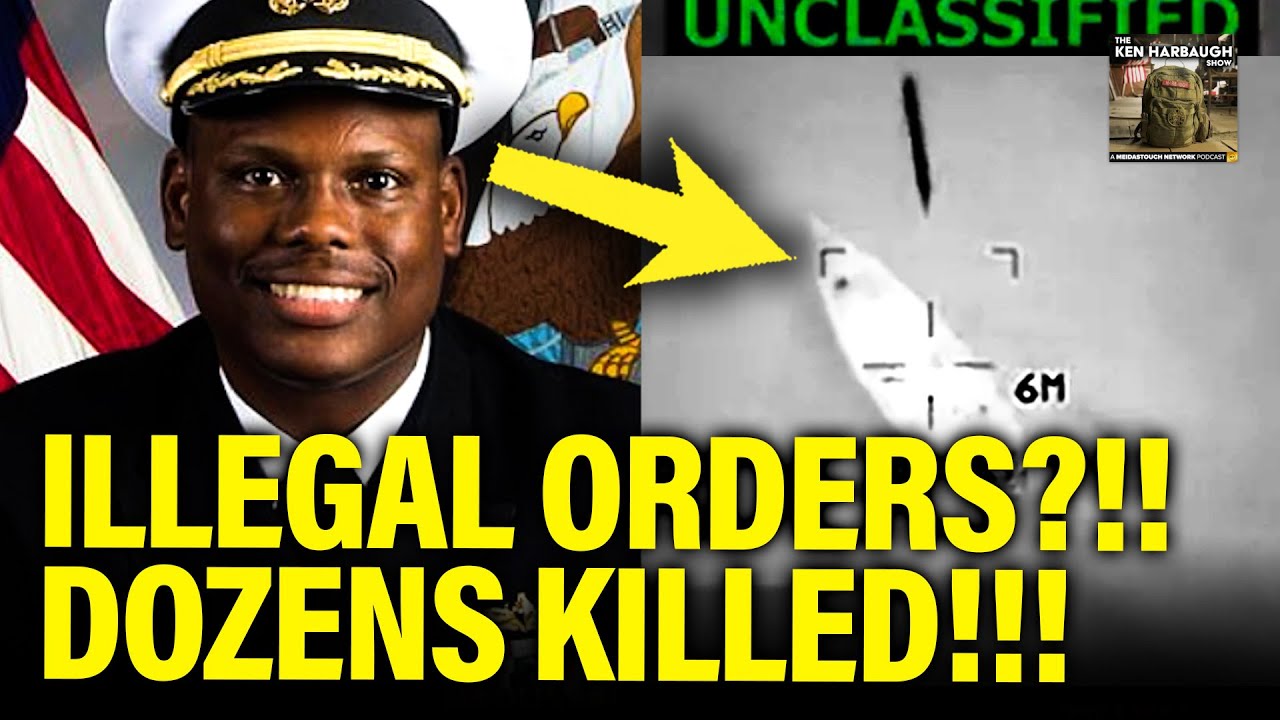
WASHINGTON — A senior U.S. Navy commander’s decision to publicly question the legality of recent maritime drone strikes has triggered an unusual wave of internal concern across the military establishment, according to interviews with a dozen current and former officials. The remarks, delivered during what had been scheduled as a routine Pentagon briefing, have sparked broader scrutiny of targeting decisions, civilian oversight, and longstanding protocols governing the use of lethal force.
The commander, whose identity Pentagon officials later confirmed but declined to make available for additional comment, warned that recent operations risked crossing “an ethical and legal threshold.” The statement referenced nearly 70 combatant deaths in offshore operations where the identities of several targets remained unverified. While the Defense Department insisted that all actions were “consistent with established rules of engagement,” several officials acknowledged that internal debates had grown increasingly strained.
Legal officers in two separate commands told reporters, on condition of anonymity, that senior civilian officials had overruled internal objections multiple times in recent months. Those objections, they said, centered on documentation gaps, incomplete intelligence packages and the accelerated pace of authorization. One senior military lawyer described the atmosphere as “tense, rushed, and unusually political,” adding that several colleagues had quietly sought outside counsel.
Concerns Within the Ranks
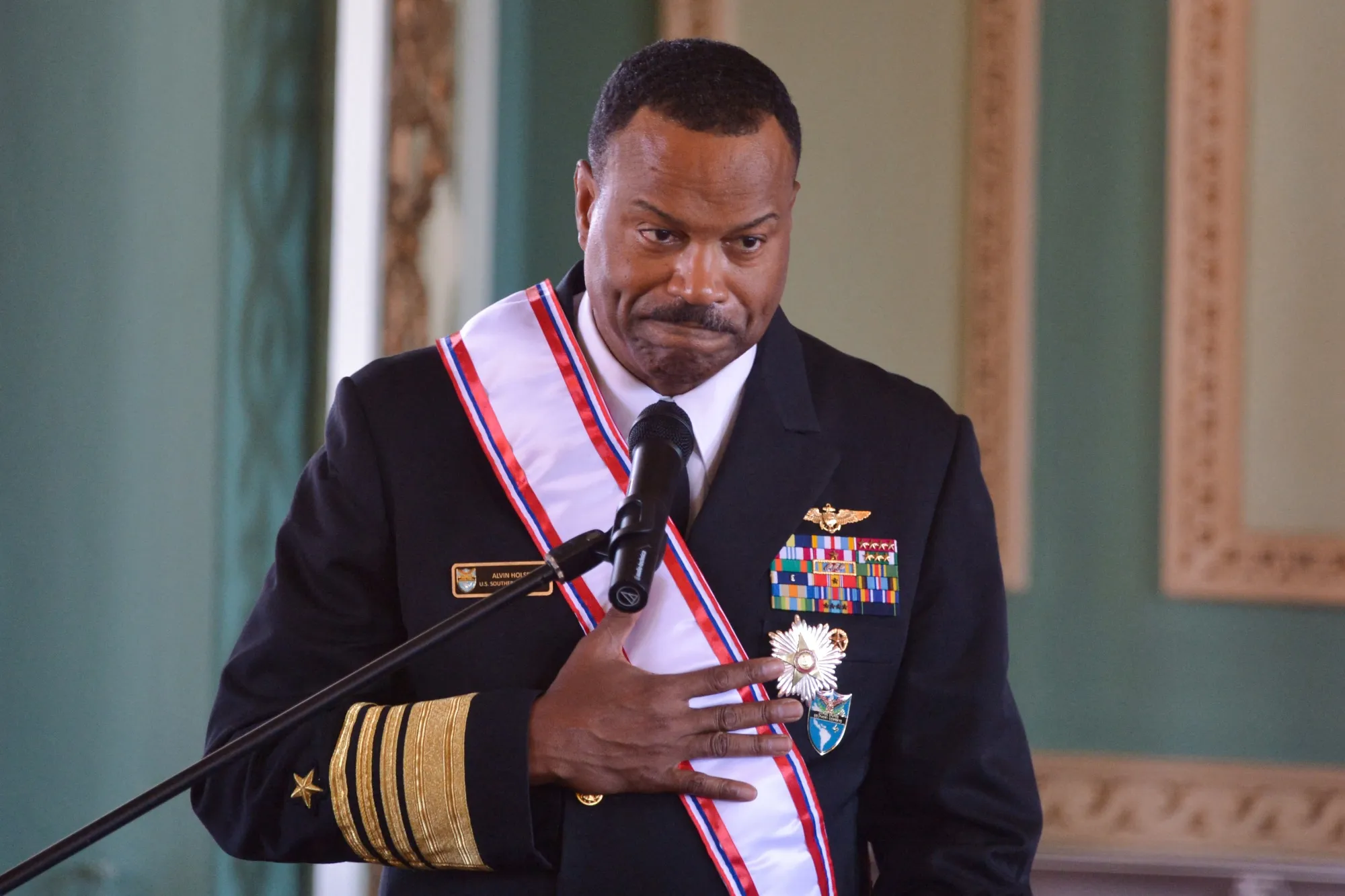
The commander’s remarks would likely have remained a brief internal controversy if not for the sudden resignation of the head of U.S. Southern Command days earlier. Though Pentagon officials described the departure as “personal,” several retired officers interviewed said the timing fueled speculation of deeper policy disagreements.
“It was abrupt, and it raised questions,” said a retired Air Force general who maintains close ties to active-duty leadership. “Anytime a four-star steps down without a transition phase, people pay attention.”
In the days following the resignation, a draft white paper authored by several retired four-star officers circulated widely inside military channels. The document, according to three individuals who read early versions, argues that recent developments reflect a “historic deterioration” in civil–military norms, particularly in the balance between political directives and professional decision-making.
Although the Pentagon has not commented on the document, portions leaked to defense analysts quickly spread online, drawing heightened attention to the unusual level of dissent. Analysts noted that while public disagreements between active and retired officers are not unprecedented, the breadth and urgency of the language in the document appeared to exceed typical boundaries.
The Political Dimension
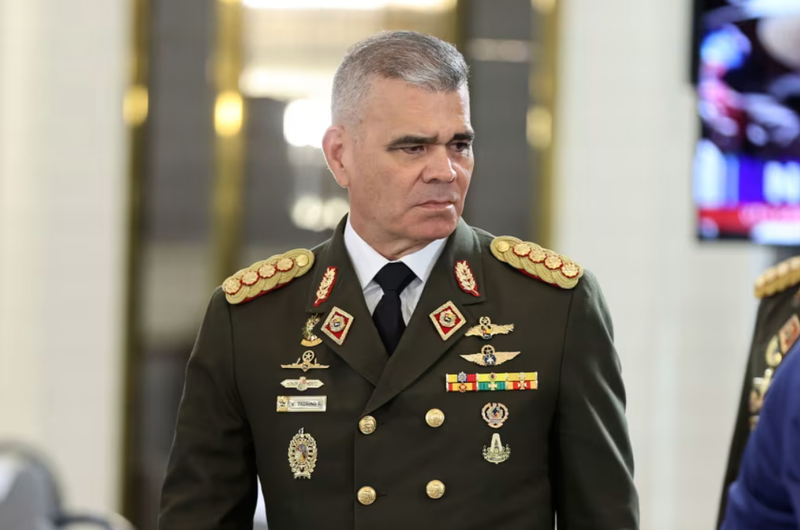
The White House has remained largely silent, referring questions back to the Pentagon. However, senior administration officials privately expressed frustration that the controversy had “overshadowed complex operational realities,” according to one adviser familiar with internal discussions. Publicly, the administration emphasized that all operations undergo established interagency review.
Congressional leaders signaled that inquiries were likely. Members of both parties on the House Armed Services Committee said they intended to request additional briefings on the procedures governing maritime drone strikes, including an examination of how target verification is conducted in real time.
“There is a bipartisan interest in understanding whether the standard chain of review was respected,” said Representative Elaine Rochester, a Democrat on the committee. “We cannot allow ambiguity in matters of life and death.”
Senator Jacob Finlay, a Republican member of the Senate Armed Services Committee, expressed similar concerns. “What we’ve heard so far raises significant questions about oversight,” he said. “The American public deserves clarity about what is being done in their name.”
Public Reaction and Digital Impact
What might have remained a complex policy debate gained rapid national attention after a clip of the commander’s initial remarks went viral. Within hours, the footage climbed trending lists on multiple platforms, fueling a burst of commentary from veterans, analysts and political advocates.
Digital researchers noted that reaction to the clip was unusually broad. “It wasn’t confined to partisan communities,” said Maya Zhou, a senior analyst at Stanford’s Cyber Policy Lab. “There was genuine surprise, even anxiety, across the political spectrum.”
By the next morning, hashtags linked to the controversy had generated millions of views, and several prominent retired officers appeared on national networks urging the Pentagon to release additional information. Some described the moment as a “critical test” of government transparency; others warned of the dangers of allowing allegations to go unaddressed.
A Pentagon on the Defensive
Inside the Pentagon, officials worked to contain the growing fallout. Briefing materials circulated among senior leaders emphasized adherence to rules of engagement and underscored the need to reassure partners abroad that U.S. procedures remained intact.
Privately, however, several officials acknowledged that the controversy had exposed deeper tensions — particularly concerns about how emerging technologies, such as autonomous maritime platforms, intersect with established legal frameworks.
“We’re adapting at a speed that our oversight structures were not designed for,” one senior official said. “That doesn’t mean anything unlawful has occurred. It does mean we need to be more deliberate.”
An Uncertain Path Forward
As the investigation proceeds, the Pentagon faces pressure from lawmakers and the public to provide more transparency. It remains unclear whether internal disagreements will lead to formal policy revisions or personnel changes, though several officials said reviews of targeting protocols are likely.
For now, the episode has injected a rare degree of volatility into the country’s military and political spheres. Whether the controversy becomes a temporary rupture or the beginning of a broader reckoning may depend on the findings of internal inquiries — and the willingness of senior leaders to address the concerns raised.