Rosie O’Donnell Slams American Eagle’s “Disgusting” Sydney Sweeney Campaign: What’s Really Going On?
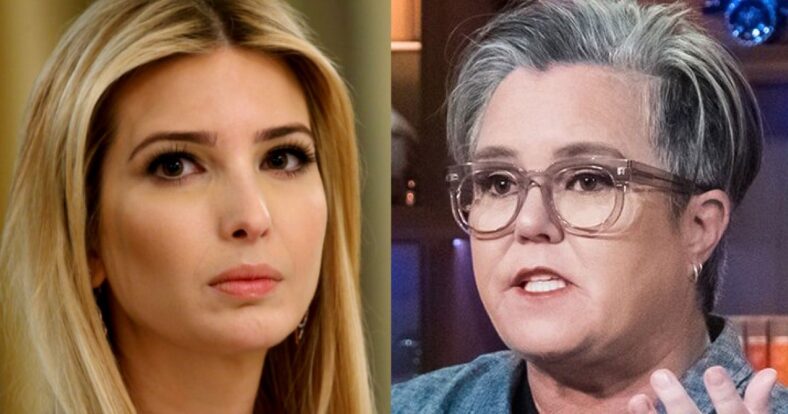
Rosie O’Donnell, a prominent television personality and outspoken advocate for progressive causes, has publicly denounced American Eagle’s latest advertising campaign featuring actress Sydney Sweeney, labeling it “disgusting” and vowing to boycott the brand entirely, even if offered millions of dollars to endorse it. This bold stance has sparked widespread discussion, reigniting debates about advertising ethics, cultural sensitivities, and the intersection of celebrity branding with political and social issues. O’Donnell’s reaction, shared via social media and reported across platforms, underscores a deeper tension in the current cultural landscape, where marketing campaigns can quickly become lightning rods for controversy. But what lies beneath O’Donnell’s vehement response, and what does it reveal about the broader context of American Eagle’s campaign and its fallout?
The campaign in question, launched on July 23, 2025, centers on Sydney Sweeney, the 27-year-old star of HBO’s Euphoria and The White Lotus, who appears in a series of promotional videos and images for American Eagle’s fall denim collection. Titled “Sydney Sweeney Has Great Jeans,” the campaign plays heavily on a pun between “jeans” and “genes,” with Sweeney delivering lines such as, “Genes are passed down from parents to offspring, often determining traits like hair color, personality, and even eye color. My jeans are blue.” The ads feature Sweeney in provocative poses, including scenes where she leans over a Ford Mustang’s engine, zips up tight jeans while reclining on a couch, or playfully chides the camera for lingering on her cleavage. The campaign also highlights a charitable angle, with proceeds from “The Sydney Jean”—a denim style featuring a butterfly motif—donated to the Crisis Text Line, a nonprofit supporting mental health and domestic violence awareness, causes Sweeney has publicly championed.
O’Donnell’s criticism, as reported on platforms like TigerDroppings.com, focuses on the campaign’s perceived insensitivity and problematic messaging. She joins a chorus of detractors who argue that the “jeans/genes” wordplay, combined with Sweeney’s blonde hair, blue eyes, and conventionally attractive appearance, evokes eugenics—a discredited and racially charged theory that advocates for selective breeding to “improve” human traits. Critics on social media platforms, including TikTok and X, have labeled the campaign as a “dog whistle” for white supremacy, pointing to the emphasis on Sweeney’s “great genes” as glorifying traditional white beauty standards. For O’Donnell, a vocal critic of conservative ideologies, the campaign’s imagery and messaging may have struck a nerve, particularly in the context of a politically polarized America under a second Trump administration, which has pushed policies targeting diversity initiatives and immigration. Her decision to publicly boycott American Eagle, even hypothetically rejecting lucrative sponsorships, signals a broader rejection of what she sees as tone-deaf and divisive marketing.
Behind the scenes, however, the controversy appears multifaceted. American Eagle has defended the campaign, stating on Instagram that it “is and always was about the jeans. Her jeans. Her story.” The retailer emphasized its inclusive history and dismissed accusations of promoting eugenics, noting that the campaign was meant to be a playful celebration of Sweeney’s charisma and the brand’s denim line. The company’s stock surged by 10-23.5% following the campaign’s release, suggesting that the controversy may have inadvertently boosted its visibility and sales, particularly among conservative consumers who praised the ad as a rejection of “woke” marketing. Posts on X, such as one from @Sassafrass_84, celebrated the campaign for featuring “an actual woman” and driving sales among teenagers and women, while @DailyCaller noted a 12% stock spike, attributing it to the backlash fueling interest.
Sweeney herself has remained silent on the controversy, a decision some PR experts, like Eric Schiffer, describe as a “toxic time bomb” that risks alienating progressive fans but may also be a calculated move to embrace a polarizing persona. Sweeney’s recent Republican voter registration in Florida, revealed shortly after the campaign’s launch, has further inflamed critics like O’Donnell, who may view her political alignment as complicit in the campaign’s perceived insensitivity. This revelation, coupled with past controversies—such as Sweeney’s 2022 posting of photos from her mother’s birthday party featuring MAGA-style hats—has painted her as a divisive figure, appealing to conservative audiences while alienating liberal ones.
O’Donnell’s boycott also reflects a broader cultural clash. The campaign’s retro, hypersexualized aesthetic, reminiscent of 1980s Calvin Klein ads featuring Brooke Shields, has been criticized for catering to the “male gaze” and undermining its domestic violence awareness message. Critics argue that the provocative imagery clashes with the campaign’s charitable intent, making it appear exploitative rather than empowering. O’Donnell, known for her advocacy on issues like women’s rights and mental health, likely finds this disconnect particularly egregious, especially given the campaign’s failure to address diversity in its casting or messaging.
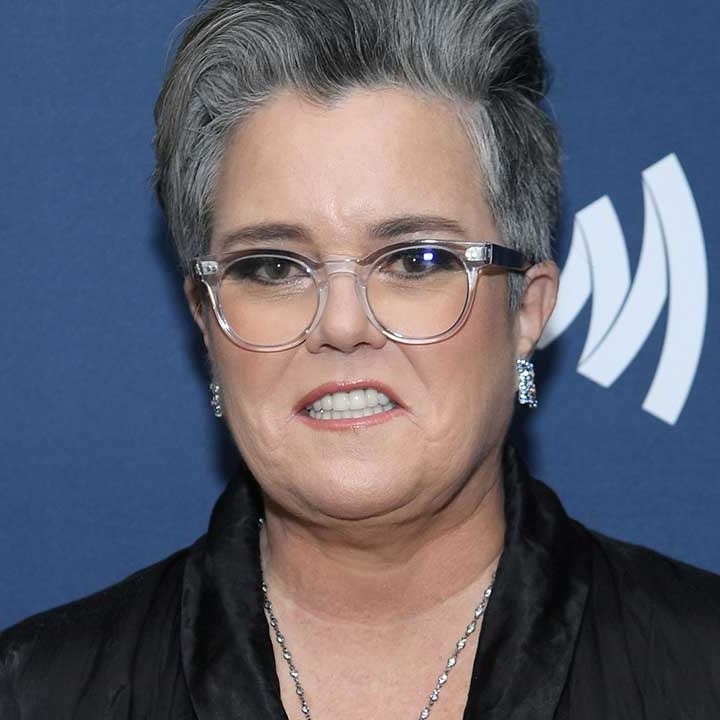
On the flip side, supporters, including conservative figures like Vice President JD Vance and former President Donald Trump, have championed the campaign as a return to “traditional” American values, dismissing critics as overly sensitive. Trump, in a Truth Social post, called the ad “the HOTTEST out there,” misspelling Sweeney’s name but praising her Republican affiliation. This political endorsement has only deepened the divide, with O’Donnell’s boycott symbolizing resistance to what she sees as a regressive cultural shift.
Ultimately, the controversy reveals the challenges brands face in navigating a polarized society. American Eagle’s attempt to leverage Sweeney’s star power and a cheeky pun has backfired for some, amplifying debates about race, beauty, and gender in advertising. For O’Donnell, the campaign’s “disgusting” nature lies not just in its execution but in what it represents: a step backward in the fight for inclusive and responsible marketing. Whether her boycott will impact American Eagle remains uncertain, but it underscores the power of celebrity voices in shaping public discourse—and the risks brands take when they court controversy in an already divided world.