THE STORM IS COMING! CBS Faces Unprecedented Late-Night Fightback as Colbert’s Allies Strike Back
On July 17, 2025, CBS shocked the entertainment world by announcing the cancellation of The Late Show with Stephen Colbert, the top-rated late-night program on broadcast television, set to end in May 2026. The network cited financial losses, claiming the show was bleeding tens of millions annually. But the timing—days after Colbert called Paramount Global’s $16 million settlement with President Donald Trump a “big fat bribe”—raised suspicions of political motives, especially as Paramount seeks Trump administration approval for an $8 billion merger with Skydance Media. Now, a storm is brewing. CBS thought it could silence Colbert, but it has ignited the biggest fightback in late-night history, with Jimmy Fallon, Jimmy Kimmel, and John Oliver leading a charge that promises to rewrite television history on Monday, August 4, 2025.
Stephen Colbert, 61, has been a late-night titan since taking over The Late Show from David Letterman in 2015. With an average of 2.5 million viewers in the 2024-2025 season, the show outpaced ABC’s Jimmy Kimmel Live! and NBC’s The Tonight Show Starring Jimmy Fallon. Known for his biting satire, especially targeting Trump, Colbert’s cancellation sparked immediate backlash. Fans booed during his announcement, and Democratic senators like Elizabeth Warren and Adam Schiff demanded answers, questioning if the move was a political concession tied to the Skydance merger. On X, users raged, with one calling it “political censorship” and another dubbing it “corporate cowardice.”
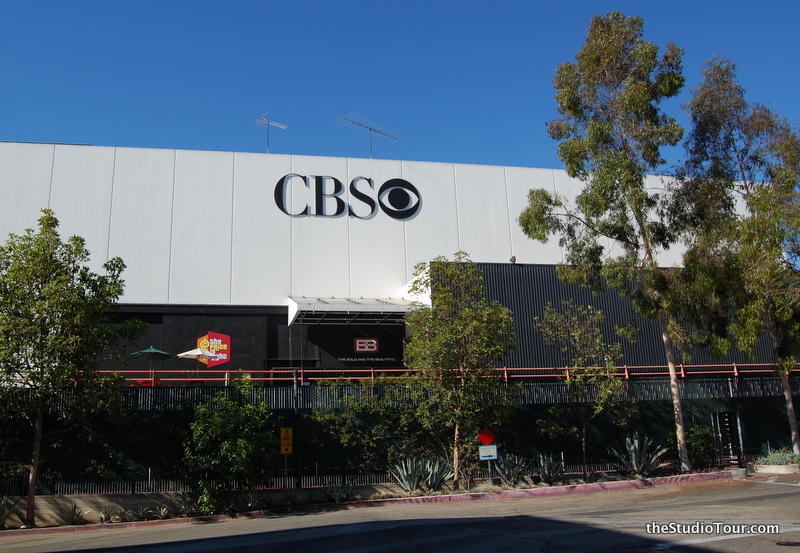
CBS insists the decision was purely financial, citing losses of $40-$50 million annually. Late-night shows are costly, with hundreds of staff and elaborate productions, and their topical nature limits streaming revenue. Yet, the optics are damning. Paramount’s settlement with Trump, following his lawsuit over a “deceitfully” edited 60 Minutes interview with Kamala Harris, fueled speculation that CBS axed Colbert to appease the president, who celebrated on Truth Social, writing, “I absolutely love that Colbert got fired. His talent was even less than his ratings. I hear Jimmy Kimmel is next.”
The late-night community has rallied with unprecedented solidarity. On July 21, Colbert’s first show post-cancellation featured a star-studded “Coldplay cam” spoof, with Fallon, Seth Meyers, John Oliver, Jon Stewart, and celebrities like Lin-Manuel Miranda and “Weird Al” Yankovic appearing in the audience. The bit, mocking a viral Coldplay concert video, ended with a cartoon Trump hugging a Paramount logo, a jab at the merger. Jon Stewart, on The Daily Show, delivered a profanity-laced tirade, accusing CBS of taking “the path of least resistance” to secure the merger. “If you think you can make yourselves so flavorless you’ll avoid Trump’s radar, why would anyone watch you?” he roared, leading a choir in a chant against corporate capitulation.
Jimmy Kimmel, on summer break, posted on Instagram, “Love you Stephen. F**k you and all your Sheldons, CBS,” referencing the network’s sitcoms. Fallon, on The Tonight Show, quipped that CBS could lose “millions of viewers, plus tens of hundreds on Paramount+,” while praising Colbert’s 10 Emmy wins. John Oliver called the cancellation “terrible news for comedy,” hinting at a bold response. The collective outrage has set the stage for Monday, August 4, when the trio—Fallon, Kimmel, and Oliver—plan a coordinated “revenge” to challenge CBS’s decision and reshape late-night television.
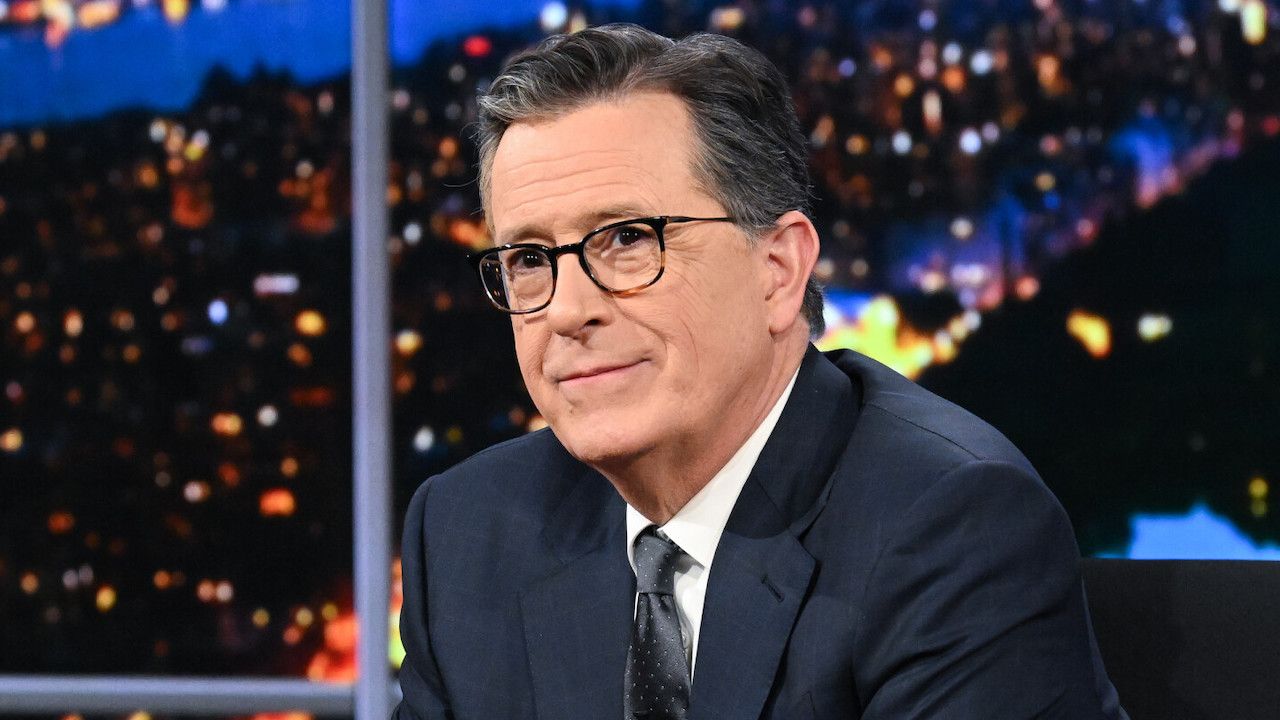
Speculation about their plan is rife. Insiders suggest the hosts may use their platforms—The Tonight Show (NBC), Jimmy Kimmel Live! (ABC), and Last Week Tonight (HBO)—to launch a unified satirical assault, targeting CBS, Paramount, and the broader threat to free speech. Posts on X hint at a cross-network event, with one user predicting, “Fallon, Kimmel, and Oliver are about to drop a late-night nuke on CBS. Monday’s gonna be historic.” Another suggested a joint broadcast, though logistical challenges make this unlikely. More plausibly, each host may dedicate their Monday monologues to Colbert’s cause, amplifying the narrative of corporate overreach and political pressure.
The fightback taps into a storied late-night tradition of defiance. David Letterman, who built The Late Show in 1993, posted a YouTube highlight reel captioned, “You can’t spell CBS without BS,” while calling the cancellation “pure cowardice.” Jon Stewart, who gave Colbert his start on The Daily Show in 1997, framed the issue as a cultural crisis, warning that silencing satirists threatens democracy. Bill Carter, a late-night historian, noted, “It’s a dark turn for the country if comedians can be eliminated by political pressure.” The 1960s firing of the Smothers Brothers by CBS for their anti-Vietnam War stance serves as a historical parallel, underscoring the stakes.
The economic argument, while valid, doesn’t fully explain the timing. Late-night shows, including The Tonight Show and Jimmy Kimmel Live!, lose money—$100 million annually for NBC’s lineup alone—but generate prestige and ad revenue. The Late Show captured 29% of 2024 late-night ad dollars, trailing only Fallon’s 33%. CBS’s decision to end the franchise entirely, rather than replace Colbert, suggests a retreat from the genre, especially after canceling After Midnight in 2025. Meanwhile, NBC extended Fallon and Meyers through 2028, and Kimmel’s contract runs through 2026, though he’s hinted at retiring.

Monday’s anticipated “revenge” could redefine late-night’s role in a polarized era. With viewership declining—Colbert’s 1.9 million nightly average skews older, like Kimmel’s 1.6 million—the genre faces existential challenges. Yet, Colbert’s July 17 episode, announcing the cancellation, drew 3.079 million viewers, the year’s highest, with over 5 million YouTube views. His Monday monologue post-cancellation hit 10 million online, proving late-night’s digital reach. A unified front by Fallon, Kimmel, and Oliver could galvanize younger audiences on platforms like YouTube, where clips thrive, and challenge networks to protect satirical voices.
As Monday approaches, all eyes are on these late-night titans. Their fightback isn’t just for Colbert but for the right to critique power without fear. Whether through blistering monologues, guest appearances, or a bold cross-network stunt, they aim to expose CBS’s decision as a capitulation to financial and political pressures. The storm is coming, and with it, a chance to rewrite television history—not by saving The Late Show, but by proving that late-night’s spirit of defiance endures.