STANDOFF AT THE BORDER: Carney Government Rejects Trump Ultimatum, Exposing Limits of U.S. Leverage
OTTAWA – In a dramatic escalation of the ongoing diplomatic and economic crisis between the two North American allies, Prime Minister Mark Carney’s government has issued a blanket rejection of a sweeping list of demands presented by the Trump administration. The unified refusal, delivered officially late Tuesday, has not only collapsed what was expected to be a high-pressure negotiation but has also exposed what insiders describe as a fundamental miscalculation in Washington about its leverage over its northern neighbor.
According to senior government officials who spoke to the press on condition of anonymity, the U.S. ultimatum contained five core demands designed to fundamentally reshape the bilateral relationship in Washington’s favor. The requests, framed as non-negotiable prerequisites for avoiding a collapse of the USMCA trade pact, included: permanent tariff exemptions for the U.S. on Canadian dairy and supply-managed sectors; the surrender of Canadian sovereignty over Arctic shipping lanes to joint U.S.-Canada command; a commitment to match U.S. defense spending at 5% of GDP, with funds specifically earmarked for American-made equipment; full compliance with U.S. foreign policy by severing all ties with Chinese state-owned enterprises involved in critical minerals; and an immediate end to Canadian retaliatory tariffs on U.S. goods.
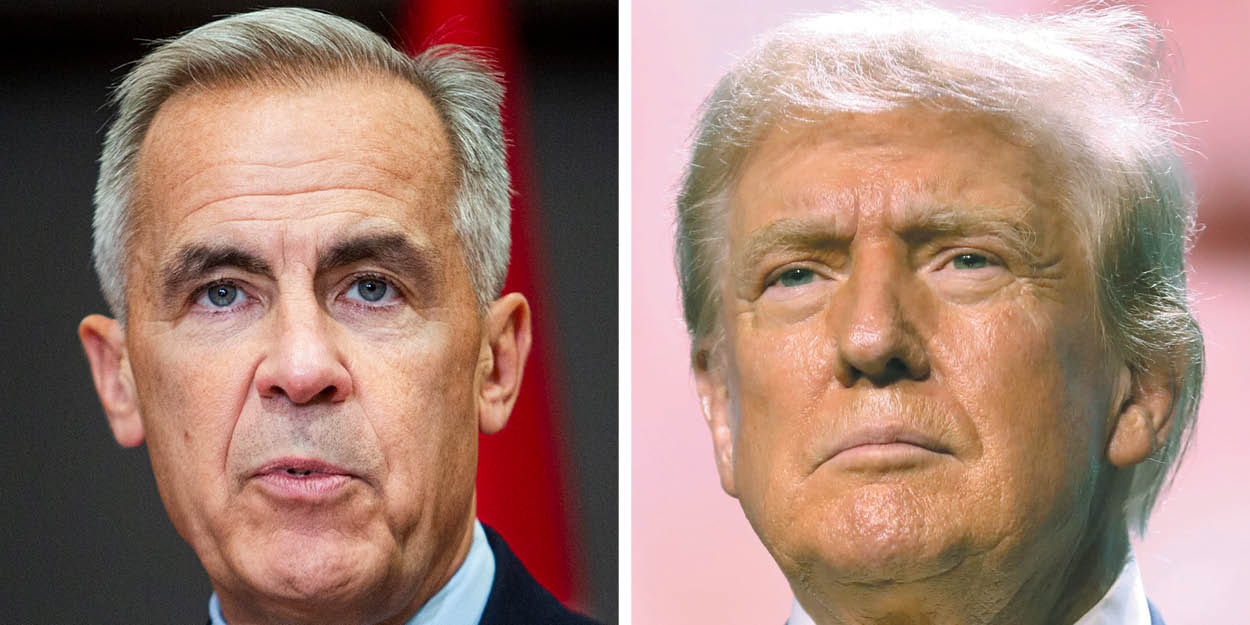
The response from Ottawa was swift, unambiguous, and stunned U.S. trade representatives who had reportedly anticipated a protracted negotiation yielding at least partial concessions. “The answer was no. To all of it,” one high-level Canadian insider told the BBC. “There was no haggling, no ‘let’s study this.’ It was a flat refusal. They didn’t expect us to call their bluff.”
The shift from reactive diplomacy to outright defiance marks a pivotal moment in the tumultuous relationship between the two countries since President Donald Trump returned to power. For months, Canada has been subjected to a barrage of aggressive trade measures and annexationist rhetoric. Trump has repeatedly referred to the idea of making Canada the “51st state” and has claimed the country only exists due to American military protection . His administration has weaponized tariffs on steel, aluminum, and autos, while his trade representative, Jamieson Greer, has signaled that tariffs will be a permanent feature of any future trade relationship .
However, Carney’s government appears to have calculated that the political and economic costs of a full-blown trade war are now higher for the U.S. than for Canada. The Supreme Court’s recent ruling striking down the broad use of emergency powers for tariffs has constrained the White House . Furthermore, domestic political pressure is mounting on Trump, with recent House votes against his tariff policies and the looming midterm elections threatening to erode his power base .
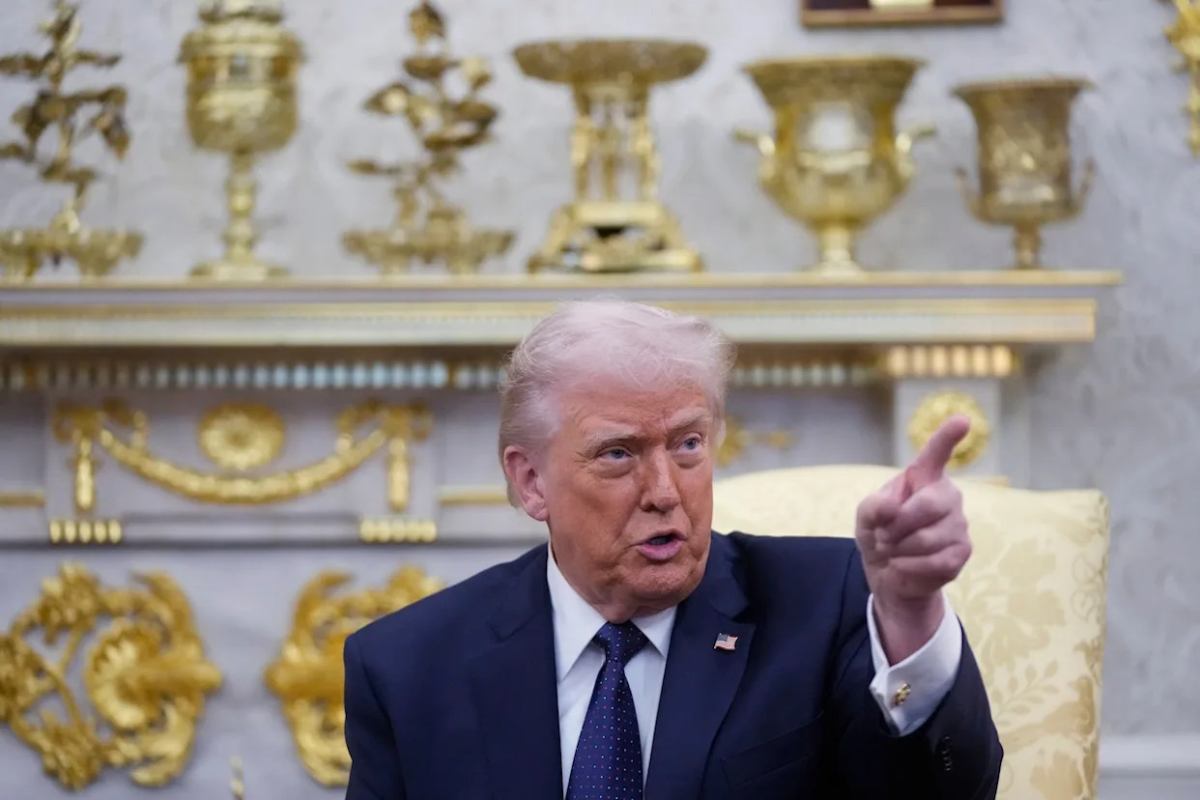
“I think the walls are closing in,” Ontario Premier Doug Ford said recently, a sentiment that now seems to be echoed in the federal government’s strategy . By rejecting the demands outright, Carney is betting that Trump’s threats are losing their sting. In a recent high-profile speech in Davos, Carney urged middle powers to band together against the coercion of larger nations, declaring that the old rules-based order is “not coming back” . Tuesday’s rejection is the practical application of that doctrine.
The collapse of the U.S. demand list represents a significant reputational blow to the Trump administration, which has built its foreign policy on the threat of unilateral economic force. “This was supposed to be a pressure-heavy play,” said a former U.S. trade official familiar with the negotiations. “The idea was to make Canada feel so much pain that they’d have to come to the table. But Canada has realized that the U.S. needs them just as much—for critical minerals, for energy, for NORAD. The leverage was never as one-sided as Washington believed.”
With the USMCA review looming, the bilateral relationship now enters uncharted territory. Canada is actively seeking to diversify its trade relationships with the EU and Asia, while the U.S. is left to decide whether to escalate a conflict with its largest customer. As one Ottawa insider put it, “The era of subordination is over. We’ve finally realized that geography is not destiny.”