KEIR STARMER UNDER PARLIAMENTARY FIRE: KEMI BADENOCH FORCES DIRECT QUESTIONS ON WELFARE BILL COSTS AS LABOUR FACES INTERNAL PRESSURE

A Heated Parliamentary Exchange Puts Welfare Reform at the Center of UK Politics
A tense session inside the UK Parliament has placed Prime Minister Keir Starmer under intense scrutiny after a detailed exchange with Conservative leader Kemi Badenoch over the government’s proposed welfare reform legislation. The confrontation, which unfolded during a high-profile debate in the House of Commons, focused on the financial impact of Labour’s welfare bill and raised broader questions about fiscal accountability, policy coherence, and the political pressures shaping the government’s agenda.
At the heart of the dispute was a straightforward but politically significant question: how much money the government’s welfare reform plan is expected to save. Badenoch opened her line of questioning by asking the prime minister to provide a clear figure outlining the projected fiscal impact of the legislation. The inquiry came at a moment when welfare spending and public finances remain central topics in British political debate, particularly as the government seeks to balance social policy reforms with broader economic pressures.
Starmer responded by outlining the principles behind the proposed reforms. He emphasized that the government’s approach aims to provide support for individuals who cannot work while also helping those who are able to re-enter the workforce. According to the prime minister, the reforms are designed to rebalance the welfare system, improve incentives for employment, and ensure that public support is targeted toward those who need it most.
However, Badenoch argued that the response did not directly address the core issue she had raised. Her criticism centered on the absence of precise financial projections connected to the legislation. In parliamentary debate, the ability to demonstrate clear fiscal outcomes often becomes a key point of political accountability, and Badenoch pressed the government to explain how the reforms would affect overall welfare spending.
The Controversy Over Clause 5 and Internal Labour Pressures
One of the most contentious elements of the debate involved a provision within the welfare bill known as Clause 5. During earlier parliamentary discussions, this section of the legislation had reportedly been modified following concerns expressed by members of the governing Labour Party. According to parliamentary observers and policy analysts, the amendment altered the financial structure of the bill in ways that could potentially affect its projected savings.
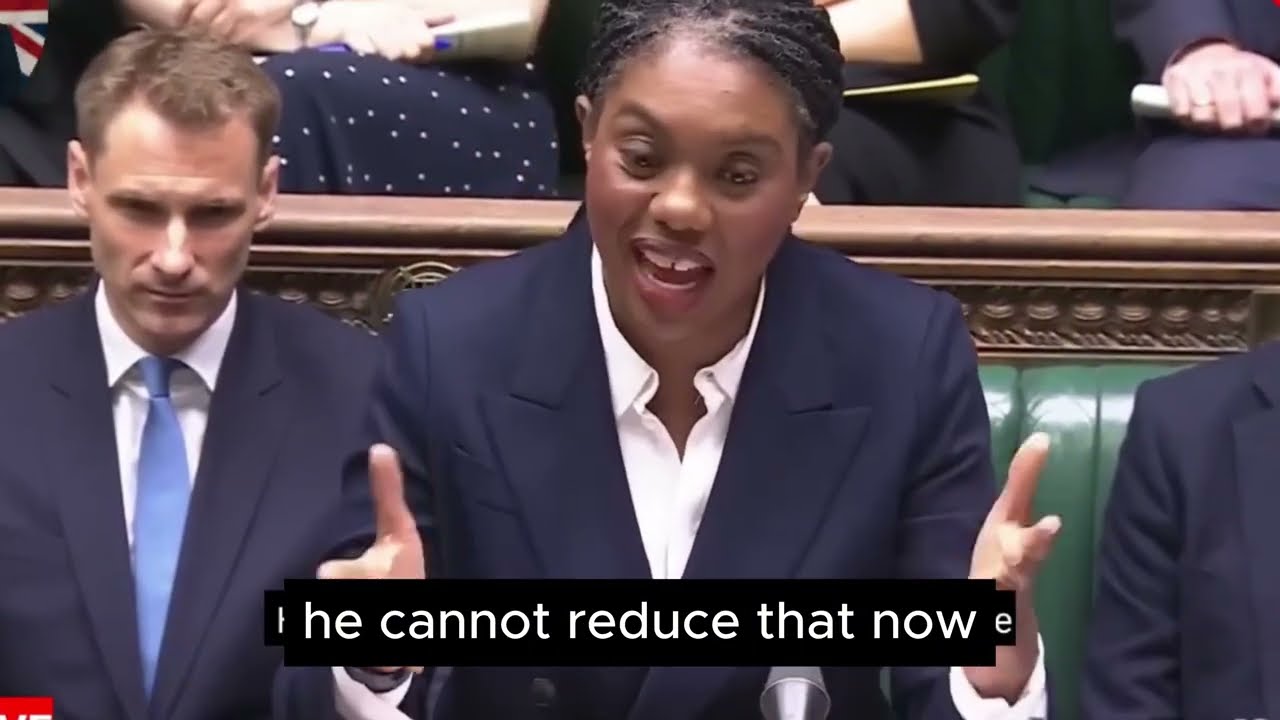
Badenoch highlighted this development during her remarks, arguing that the removal or alteration of the clause had fundamentally changed the economic assumptions behind the reform package. She suggested that if the government had originally introduced the legislation as a cost-saving measure, any changes that increased its cost would raise serious questions about the bill’s effectiveness.
Political analysts note that such mid-debate adjustments to legislation are not uncommon in parliamentary systems. However, they can become politically sensitive when they appear to reflect divisions within a governing party. Several reports from Westminster indicate that Labour backbenchers had expressed reservations about aspects of the reform, prompting discussions about how the bill should be revised before final approval.
Questions About Welfare Spending and Economic Impact
Beyond the immediate parliamentary exchange, the debate has drawn attention to the broader issue of welfare spending in the United Kingdom. Figures cited during the session suggested that expenditures related to sickness and incapacity benefits are projected to increase significantly in the coming years. While exact forecasts vary depending on economic conditions and policy changes, the rising cost of social support programs has become a topic of growing interest among policymakers and economists.
Badenoch referenced these projections to argue that the government must provide a clearer strategy for controlling long-term welfare costs while also supporting individuals facing health or employment challenges. According to her remarks, a successful reform program would need to demonstrate both fiscal responsibility and practical pathways to employment for those capable of returning to work.
The government, meanwhile, maintains that its reforms are part of a broader economic strategy aimed at improving labor market participation and strengthening the overall economy. Starmer pointed to initiatives designed to expand employment support programs, modernize job centers, and encourage workforce re-entry through targeted assistance.
Tax Policy and the Question of Future Budgets
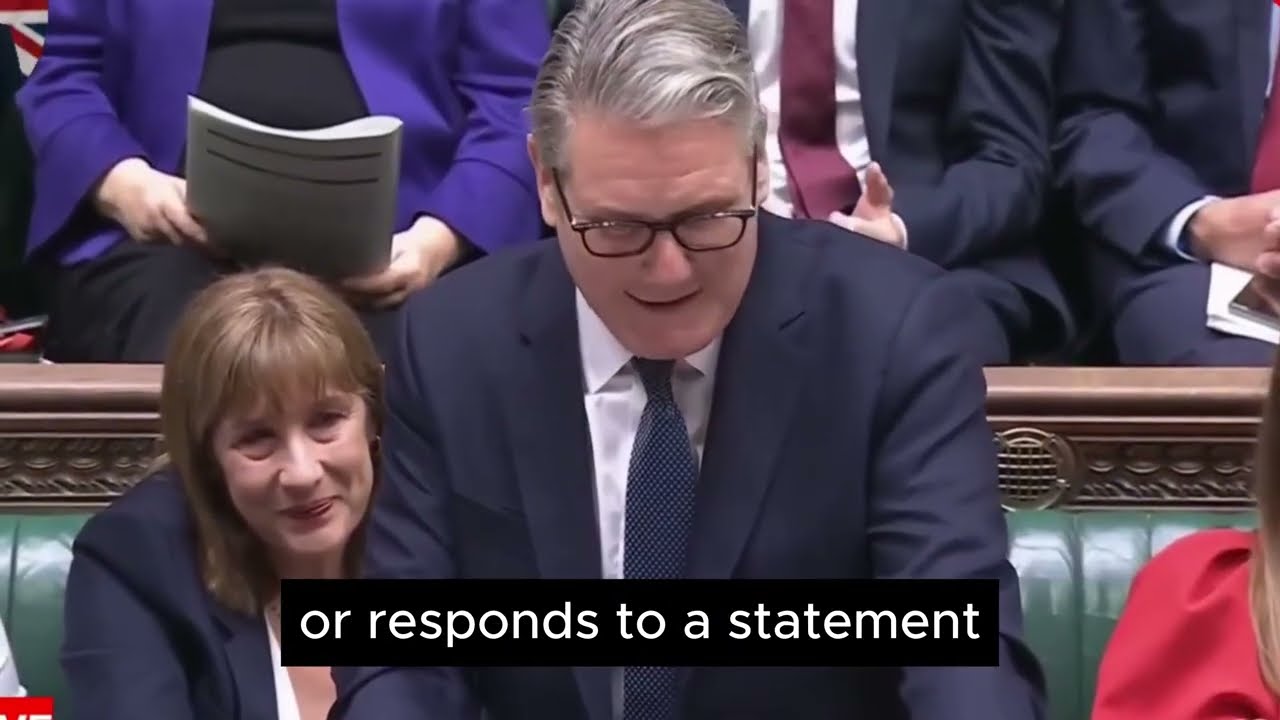
Another major issue raised during the exchange involved the possibility of future tax increases. Badenoch asked whether the government could rule out raising taxes in an upcoming autumn budget if welfare reforms failed to generate the expected savings. Starmer responded by noting that it is standard practice for governments not to pre-announce future budget decisions in Parliament.
While this response followed established political convention, it nonetheless became a focal point of the debate. Opposition figures suggested that the inability to rule out tax increases could indicate future fiscal challenges, while government supporters argued that budget planning must remain flexible in response to evolving economic conditions.
Government Achievements and Policy Defense
In defending his administration’s record, Starmer highlighted several policy initiatives introduced during Labour’s first year in government. These included expanded school meal programs, childcare investments, infrastructure spending, and reforms aimed at improving workers’ rights. The prime minister also pointed to increased inward investment and recent economic growth indicators as evidence that the government’s broader economic strategy is beginning to produce results.
Supporters of the government argue that these measures demonstrate a comprehensive policy agenda designed to address both social inequality and economic growth. Critics, however, maintain that welfare reform remains a critical test of the government’s ability to manage public finances effectively.
A Defining Moment in Parliamentary Accountability
The exchange between Starmer and Badenoch illustrates the central role that parliamentary debate plays in the UK’s democratic system. Through direct questioning and public scrutiny, opposition leaders are able to challenge government policies and demand greater clarity on legislative proposals.
Observers say the discussion highlights the complexity of balancing social welfare commitments with fiscal responsibility, particularly at a time when governments across Europe are facing economic uncertainty and increasing public expenditure.
As the welfare reform bill continues to move through the legislative process, policymakers, economists, and political analysts will be watching closely to see how the government addresses the concerns raised during the debate. The outcome may shape not only the future of welfare policy in the United Kingdom but also the broader political dynamics within Parliament in the months ahead.