UK PARLIAMENT SPY SCARE: LABOUR MP’S PARTNER ARRESTED IN CHINA ESPIONAGE PROBE AS SECURITY MINISTER FACES INTENSE QUESTIONS OVER DEMOCRACY PROTECTIONS
A New Espionage Scandal Shakes Westminster
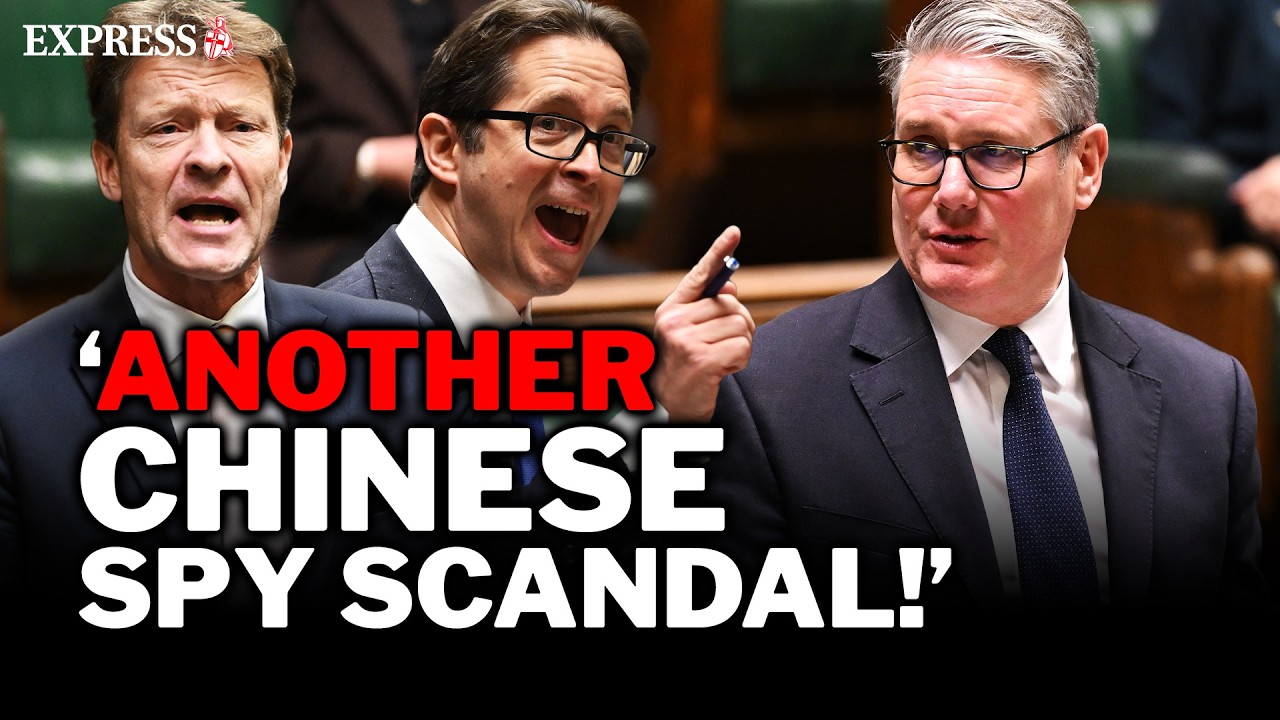
A major political and security controversy has erupted in the United Kingdom after police arrested several individuals suspected of involvement in an alleged espionage network linked to China. Among those detained, according to multiple media reports, are the partner of a sitting Labour Member of Parliament and the spouse of a former Labour MP. The arrests have immediately triggered alarm across Westminster and prompted urgent questions in Parliament about the extent of foreign interference in British democratic institutions.
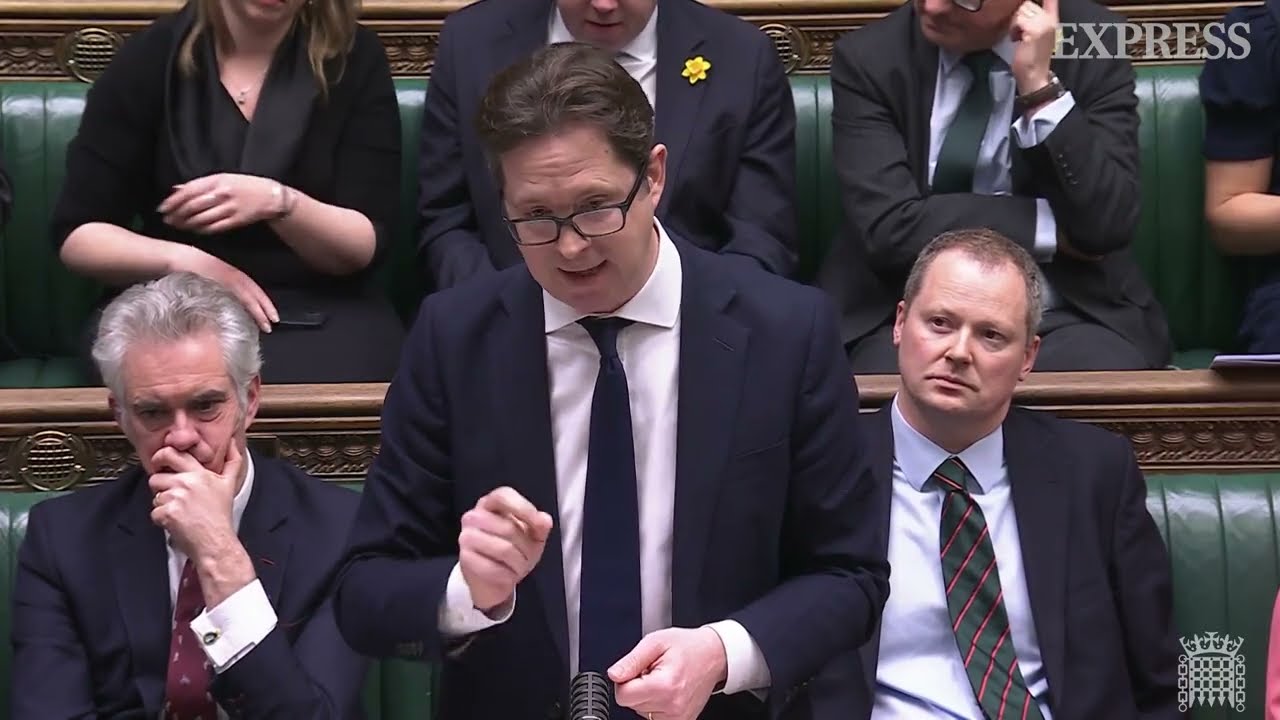
The developments emerged during a tense parliamentary session in which the UK’s Security Minister was called to provide an urgent statement to the House of Commons. Lawmakers from across the political spectrum expressed shock at the reports, with several MPs warning that the incident could represent one of the most sensitive political security investigations in recent years.
Police Investigation and Legal Constraints
Authorities have confirmed that the matter is currently part of a live police investigation, which significantly limits what ministers can publicly disclose. During the parliamentary exchange, the Security Minister emphasized that operational details must remain confidential while law enforcement agencies continue their work.
Under UK law, investigations of suspected espionage activities fall under the jurisdiction of specialized counter-terrorism police units and are often conducted in coordination with intelligence agencies. Officials noted that premature disclosure of information could compromise evidence collection or future legal proceedings.
However, despite those constraints, lawmakers pressed the government for reassurances that the investigation will proceed thoroughly and transparently. Some MPs pointed to past cases involving alleged foreign interference that ultimately collapsed in court, raising concerns about whether sufficient legal frameworks are in place to secure prosecutions.
Growing Concerns Over Foreign Interference
The arrests have intensified an ongoing national debate about foreign influence and political security in the United Kingdom. In recent years, intelligence officials have repeatedly warned that foreign states—including China—have sought to expand influence operations targeting Western democratic institutions.
These concerns were a central theme of the parliamentary debate. Several MPs argued that the government must take a stronger stance against potential interference, particularly when allegations involve individuals connected to elected officials.
Sources familiar with parliamentary security discussions say that intelligence agencies have increasingly warned political parties, campaign organizations, and parliamentary staff about potential vulnerabilities. According to those briefings, foreign actors may attempt to gain access to political networks not only through elected officials themselves but also through their broader personal and professional circles.

Questions About Parliamentary Access and Security
One of the most sensitive issues raised during the debate concerns whether individuals connected to MPs may have had any form of parliamentary access. Lawmakers asked whether the suspect linked to the Labour MP had ever held a parliamentary pass or been granted access to restricted areas of Westminster.
While ministers declined to comment on specific individuals, parliamentary officials confirmed that security procedures are designed to carefully control access to parliamentary buildings and information systems. Nonetheless, the reports have prompted renewed scrutiny of those protocols.
Security experts note that modern espionage investigations often focus on indirect access points rather than direct infiltration. Personal relationships, professional partnerships, and informal networks can sometimes provide opportunities for information gathering even without formal security clearance.
Government Response and National Security Measures
The Security Minister told Parliament that the government takes allegations of foreign interference “extremely seriously” and emphasized that protecting democratic institutions remains a cross-party priority. He highlighted the role of the government’s Defending Democracy Taskforce, a cross-government initiative designed to coordinate responses to political interference and strengthen national security protections.
Officials also pointed to the National Security Act of 2023 as a key legislative tool in addressing espionage threats. The law introduced new offenses related to foreign interference and strengthened the government’s ability to investigate and prosecute individuals suspected of acting on behalf of hostile states.
In addition, the government has introduced mechanisms such as the Foreign Influence Registration Scheme, which aims to increase transparency around political activities conducted on behalf of foreign governments or organizations.
Political and Diplomatic Implications
Beyond the legal investigation itself, the case could carry significant political and diplomatic consequences. Some MPs have called for a tougher approach toward China, including greater scrutiny of diplomatic activities and potential reviews of cooperation agreements in sensitive sectors.
At the same time, ministers have urged caution, emphasizing that the investigation must be allowed to proceed without political interference. They stressed that conclusions about responsibility or involvement should only be drawn once law enforcement authorities have completed their work and, if appropriate, presented evidence in court.
Diplomatic relations between the UK and China have become increasingly complex in recent years, particularly over issues such as national security, technology, and international trade. Allegations of espionage linked to individuals connected to political figures could further complicate that relationship.
Ongoing Investigation and Parliamentary Scrutiny
As the investigation continues, Parliament is expected to maintain close oversight of the government’s response. Lawmakers from multiple parties have called for additional briefings and updates to ensure that elected officials understand the evolving security situation.
Officials have indicated that further information may be shared with relevant parliamentary authorities and security committees once it is appropriate to do so without compromising the investigation.
For now, the arrests have reignited a broader debate about how democratic systems can protect themselves against increasingly sophisticated foreign influence operations. With security agencies still examining the circumstances surrounding the case, the situation remains one of the most closely watched national security developments currently unfolding in the United Kingdom.