The $6.4 Billion Standoff: How Mark Carney’s ‘Fact-Bridge’ Neutralized a Trump Blockade
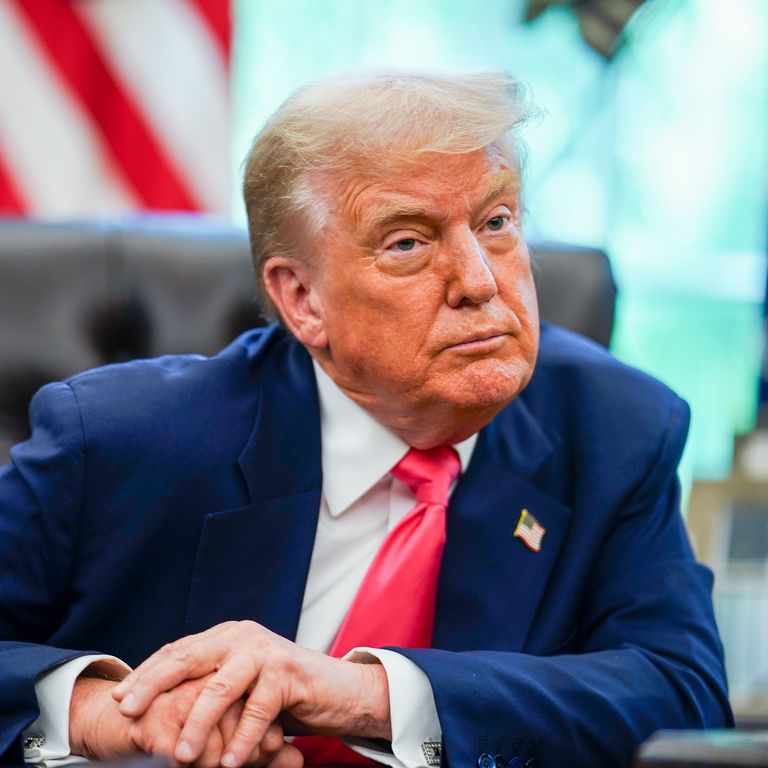
DETROIT/WINDSOR — In the predawn hours of February 9, 2026, a single social media post threatened to dismantle decades of North American diplomatic cooperation. Donald Trump, citing “hostile” Canadian trade maneuvers and a perceived imbalance in infrastructure control, declared war on the Gordie Howe International Bridge. He suggested that the $6.4 billion marvel—the most critical trade artery under construction on the continent—should be blocked or renegotiated before a single truck could cross.
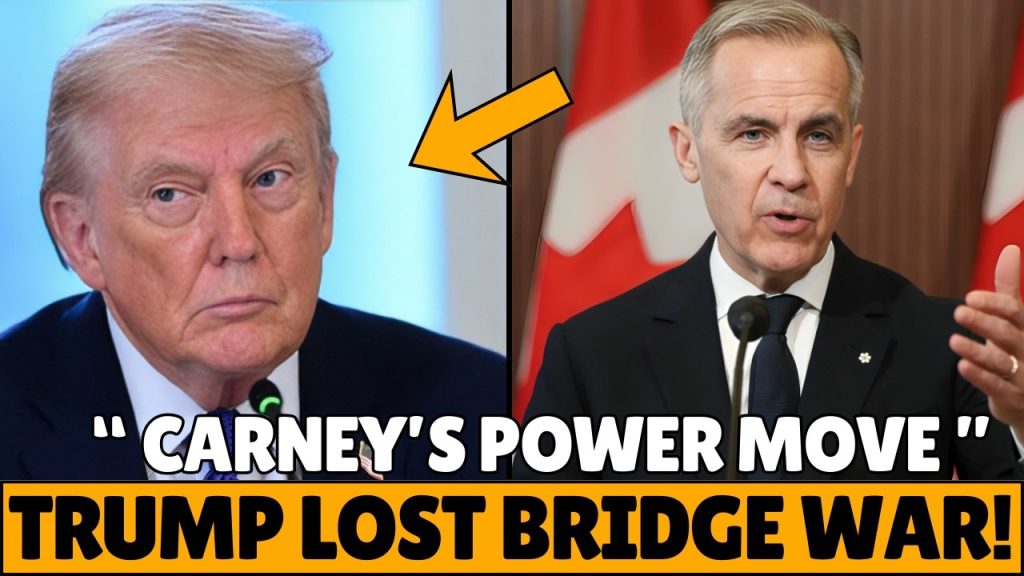
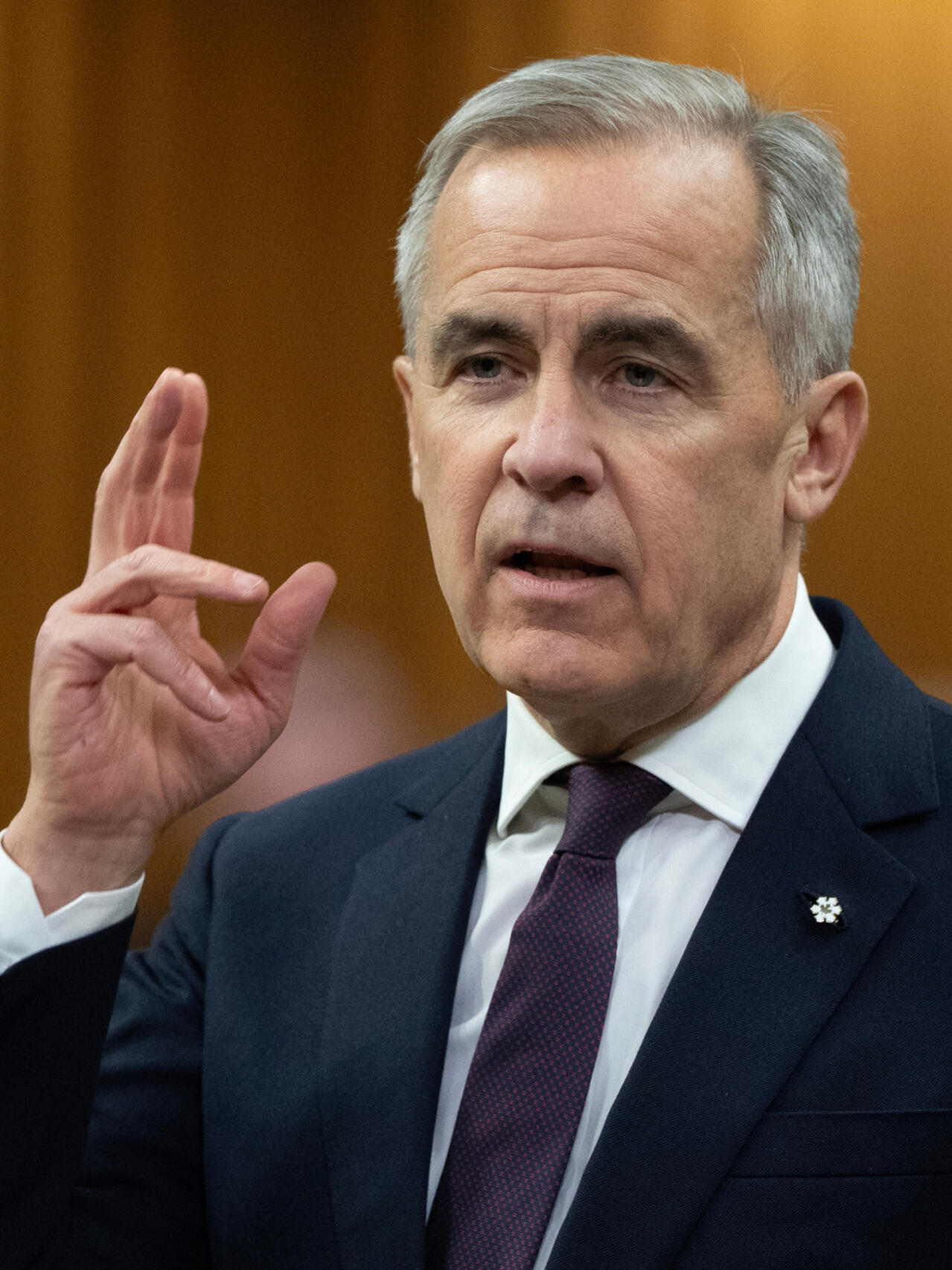
The threat sent shockwaves through the integrated auto sectors of Michigan and Ontario. But while Washington braced for a fiery political retaliation from Ottawa, Prime Minister Mark Carney delivered a response that was as cold as the steel girders spanning the Detroit River. By choosing a surgical, fact-based rebuttal over political theater, Carney didn’t just defend a bridge; he exposed the limits of “Art of the Deal” brinkmanship when faced with ironclad contracts and inescapable economic logic.
The Leverage of Logic
The Gordie Howe International Bridge was never a typical construction project. Financed entirely by Canada, the bridge is designed to carry 8,000 trucks daily, bypassing the aging, privately-owned Ambassador Bridge that has held a monopoly on the corridor for nearly a century. Trump’s claim that the U.S. was being “taken advantage of” collided immediately with the legal reality: the State of Michigan legally owns 50% of the project and stands to reap half of all net toll revenues once Canada recoups its initial costs.
When Carney picked up the phone to speak directly with the President, he did not offer concessions. Instead, he presented a masterclass in factual leverage. He laid out four indisputable points: Canada paid the bill; Michigan shares the ownership; American steel and labor built the spans; and any delay would primarily punish American manufacturers. It was a confrontation where documented agreements acted as a shield against social media posturing.
The Michigan Mutiny
Perhaps the most stunning aspect of the standoff was the immediate and bipartisan pushback from within the United States. Trump’s attempt to frame the bridge as a Canadian “grievance” failed to gain traction in Michigan, where the economic stakes are visceral. Former Republican Governor Rick Snyder, who signed the 2012 bridge agreement, took the rare step of publicly correcting the record, emphasizing that the project was a win for American commerce.
Current Michigan officials and union leaders echoed this sentiment, noting that the Detroit-Windsor corridor handles roughly a quarter of all U.S.-Canada merchandise trade. To block the Gordie Howe Bridge would be to intentionally choke the American auto industry’s supply chain. Carney’s genius was in allowing these American voices to become his primary defense, reframing the dispute not as Canada vs. the U.S., but as Economic Reality vs. Political Theatrics.
A Monopoly in the Crosshairs
Observers noted that a blockade of the new bridge would have had one primary beneficiary: the Moroun family, owners of the rival Ambassador Bridge and significant political donors. For years, the family spent millions in legal fees to stop the Gordie Howe project. By threatening the new crossing, Trump inadvertently appeared to be protecting a private monopoly at the expense of regional competition and efficiency—a narrative that Carney’s camp was careful to highlight through a lens of “market resilience.”
Carney’s understated authority—even including a lighthearted remark about a cross-border hockey game during the heat of the dispute—signaled a new era of Canadian diplomacy. It is a strategy that treats international disputes as a board of data and contracts rather than a stage for shouting matches.
The Lesson in Restraint
As the dust settles, the Gordie Howe International Bridge stands as a $6.4 billion lesson in strategic discipline. Washington appeared to be scrambling to reconcile the President’s aggressive stance with the reality that the U.S. federal government had already approved and partially funded the bridge’s customs infrastructure years ago.
The bridge is no longer just a physical link between two nations; it is a symbol of a shifting power dynamic. Carney’s intervention demonstrated that true power in the 21st century is measured by preparation and clarity. By neutralizing the threat without escalating the conflict, Canada has sent a clear message to the world: contractual certainty and economic necessity are the only bridges that cannot be burned by a social media post. For now, the steel remains in place, and the trucks are still scheduled to roll.