Canada at a Strategic Crossroads: Fighter Jets, Industrial Sovereignty and the Price of Access to America
Canada rarely finds itself at the fulcrum of a debate that reaches simultaneously into NATO’s military architecture, North America’s industrial base and the future of its economic relationship with the United States. Yet Ottawa now confronts precisely such a moment.
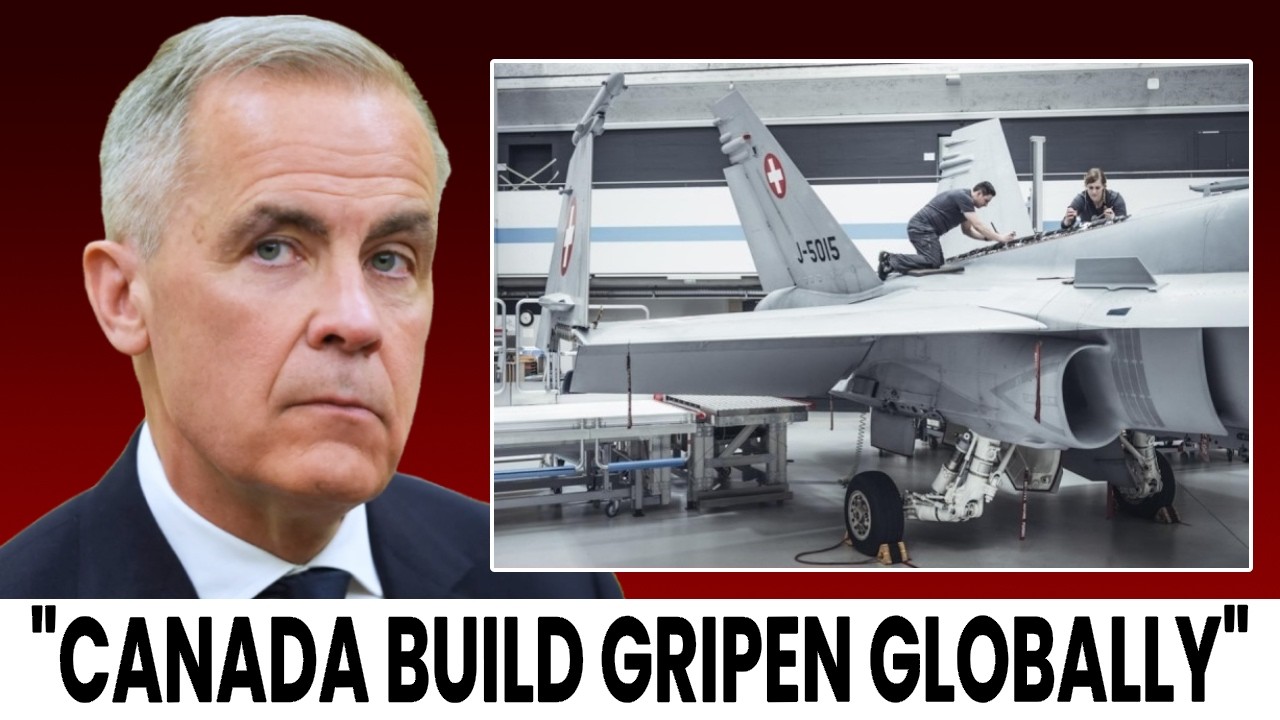
At issue is whether to proceed fully with its planned purchase of 88 F-35 fighter jets from Lockheed Martin or to reconsider, at least in part, a renewed proposal from Saab AB to assemble and potentially co-produce the JAS 39 Gripen E in Canada.

The choice is not simply about aircraft performance. It is about how Canada defines sovereignty within an alliance system dominated by its southern neighbor, and how it balances economic opportunity against strategic integration.
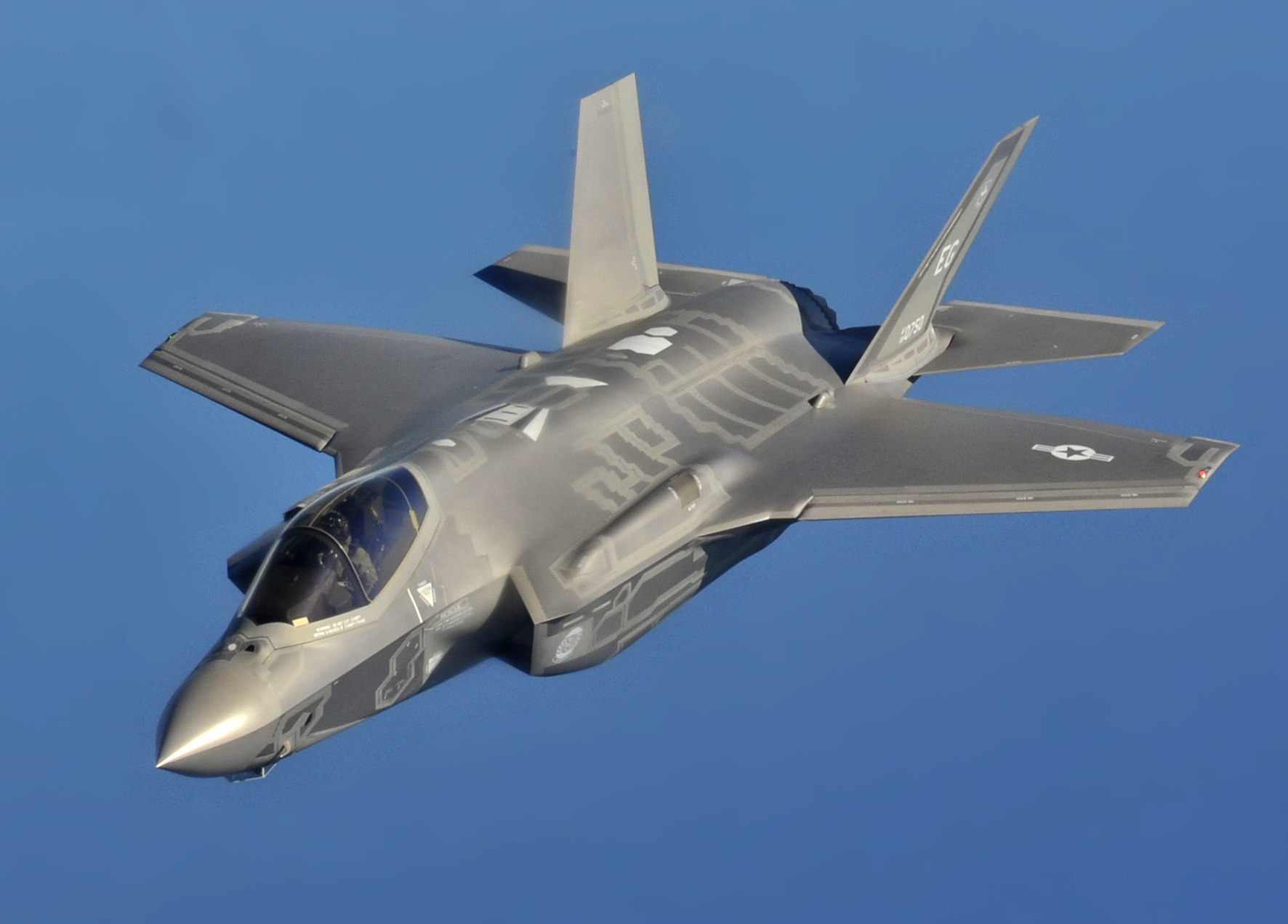
In 2022, Ottawa selected the F-35, the stealth fighter developed by Lockheed Martin, as the future backbone of the Royal Canadian Air Force. The initial acquisition cost was estimated at 19 billion Canadian dollars. Since then, projections have risen sharply. By mid-2025, Canada’s auditor general reported costs approaching 27.7 billion Canadian dollars, with broader estimates — including infrastructure, sustainment and weapons — nearing 33 billion.
Meanwhile, the United States Government Accountability Office disclosed that the aircraft’s Block 4 software upgrades were billions over budget and potentially years behind schedule. Canada’s first deliveries remain planned for 2028, with full operational capability not expected until the early 2030s.
The F-35 offers deep integration with U.S. forces and NATO partners. Its digital logistics system, mission data files and upgrade pathways are centrally managed within an American-controlled ecosystem. Supporters argue this ensures interoperability — particularly vital for Canada’s role in the binational North American Aerospace Defense Command, or North American Aerospace Defense Command. Critics counter that such architecture embeds long-term technical dependence.
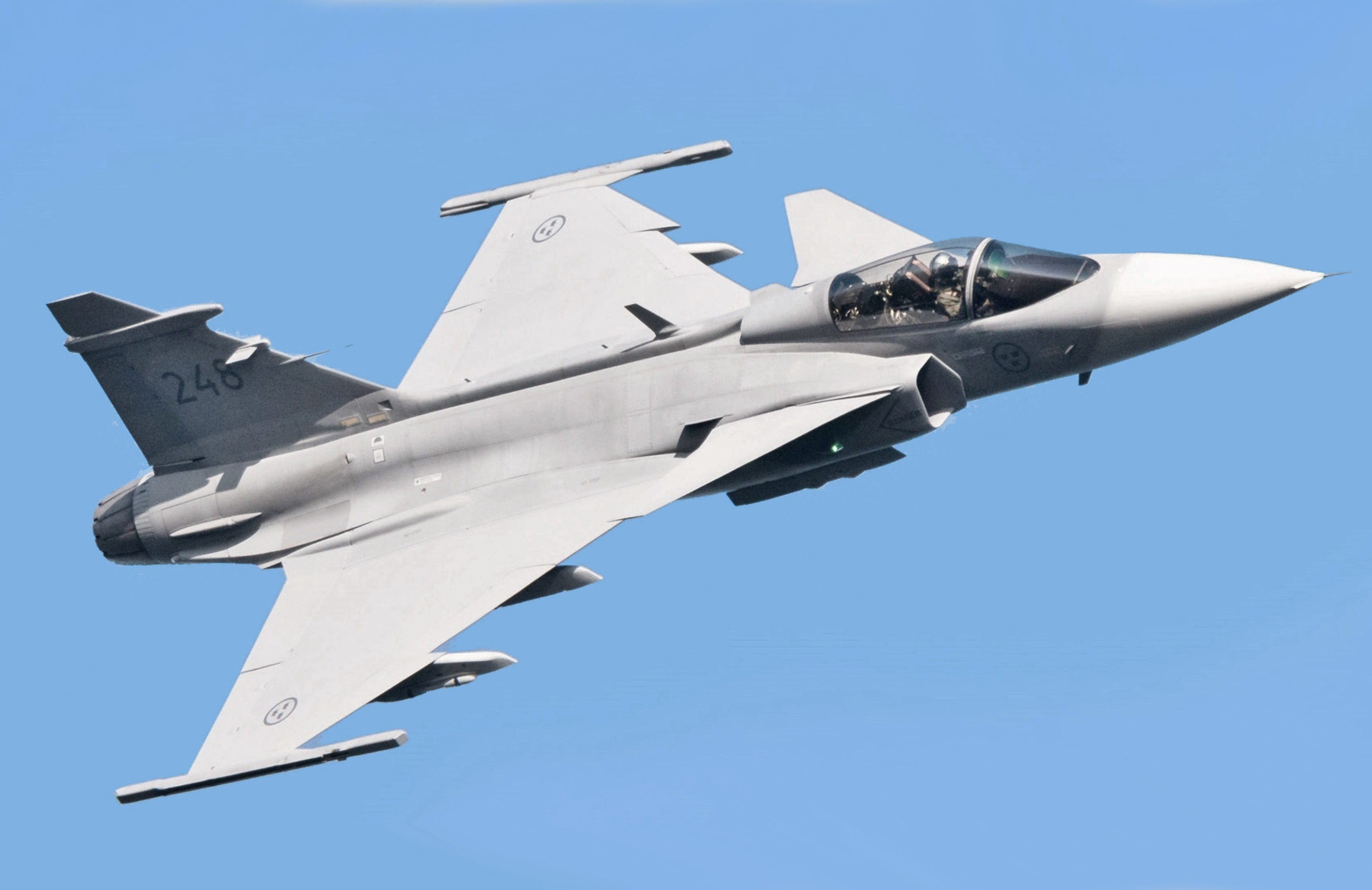
Saab’s alternative rests on a different philosophy. The Gripen E emphasizes lower operating costs, flexible basing — including operations from short or austere runways — and greater national control over software and weapons integration. Saab has proposed assembling aircraft in Canada in partnership with Bombardier, transferring technology and potentially supporting exports to other nations.
The company has suggested that as many as 10,000 manufacturing and research jobs could result from a Canadian production line. It has cited prior cooperation on airborne early-warning platforms as proof that transatlantic production can succeed.
The industrial implications are significant. Fighter programs span decades; whoever builds and services them shapes avionics evolution, software expertise and supply chains for a generation. A Canadian production hub could anchor high-value manufacturing domestically and reduce bottlenecks concentrated in a single country.
But the strategic costs would not be negligible. The F-35 is becoming the de facto standard across NATO. Diverging from that platform could introduce friction in alliance planning and logistics. The U.S. ambassador to Canada recently suggested that scaling back the F-35 commitment might have implications for NORAD burden-sharing — remarks some former Canadian officials characterized as political pressure.
Public opinion appears receptive to diversification. Recent polling has shown substantial support for introducing the Gripen, either fully or as part of a mixed fleet. Yet defense procurement rarely follows public sentiment alone; it reflects long-term calculations about risk and alignment.
Complicating the picture further is a shifting trade environment. After a 6–3 ruling by the Supreme Court of the United States invalidated sweeping tariffs enacted last year, President Donald Trump invoked Section 122 of the Trade Act of 1974 to impose a new 10 percent global tariff for up to 150 days.
Canada’s finance minister, François-Philippe Champagne, acknowledged that hopes for a clean rollback of tariffs may be unrealistic. He suggested that access to the American market — long assumed to be frictionless under continental trade frameworks — may now carry a baseline cost.
In that context, defense procurement and trade policy intersect. Choosing the F-35 reinforces Canada’s integration into American-managed industrial and security systems at a moment when Washington signals a more transactional approach to market access. Embracing Saab’s proposal could deepen ties with Europe and diversify industrial leverage, but it risks diplomatic strain with a superpower neighbor upon whom Canada relies for continental defense.
No path is free of compromise. Proceeding with the F-35 offers maximum compatibility and predictability within NORAD, but locks Canada into rising costs and centralized logistics. Pivoting toward the Gripen promises domestic jobs, technology transfer and operational autonomy, yet tests alliance cohesion.
For Ottawa, the question is not whether independence or integration is preferable in the abstract. It is how much autonomy Canada is prepared to assert — and how much friction it is prepared to endure — in pursuit of that autonomy.
At a time when tariffs are framed as the price of access and defense contracts as instruments of influence, Canada’s fighter decision has become a proxy for a broader reckoning: how to remain secure within an alliance while preserving room to maneuver in an era of resurgent economic nationalism.
The answer will shape not only the future of its air force, but the contours of its sovereignty.