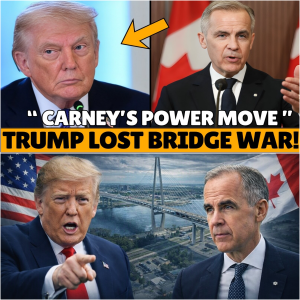
A sudden geopolitical shift is reshaping Arctic politics after Canada and Denmark announced a new strategic cooperation pact strengthening their coordination over Greenland’s security, trade, and environmental governance. The agreement has quickly drawn global attention, with analysts suggesting the move significantly reduces any renewed U.S. ambitions to expand influence over the resource-rich Arctic territory.
The Canada–Denmark partnership focuses on Arctic defense coordination, sustainable development, and protection of critical shipping routes increasingly opened by melting ice. Officials from both nations emphasized stability, sovereignty, and multilateral cooperation, signaling a united front among NATO allies at a time when Arctic competition is intensifying. The pact underscores growing concern about geopolitical rivalry in the region involving major powers seeking access to minerals, energy reserves, and emerging trade corridors.
Greenland has long been viewed as strategically vital due to its rare earth resources, military positioning, and proximity to key transatlantic routes. Former President Donald Trump’s past interest in acquiring Greenland placed the island at the center of international headlines, but the latest agreement appears to reinforce Danish sovereignty while deepening Canada’s role as a trusted Arctic partner. Observers say the new alliance effectively narrows Washington’s diplomatic options regarding future negotiations.
Security experts note that the Arctic is rapidly transforming into one of the world’s most consequential geopolitical arenas. As climate change accelerates ice melt, new shipping lanes and untapped natural resources are attracting increased attention from global powers. By aligning closely, Canada and Denmark aim to shape Arctic governance through cooperation rather than competition, reinforcing rules-based engagement in a region once considered remote from major power politics.
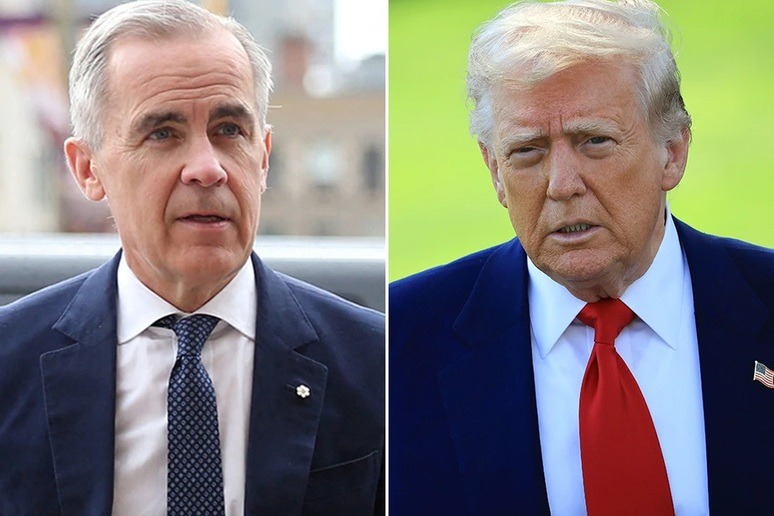
Economic implications are also significant. The pact is expected to encourage joint infrastructure investments, scientific collaboration, and environmental monitoring initiatives designed to balance economic opportunity with ecological protection. Market analysts suggest that stable governance over Greenland could influence future mining, energy exploration, and maritime trade decisions across the North Atlantic economy.
As international reactions continue to unfold, the Canada–Denmark agreement highlights how alliances—not unilateral moves—are increasingly defining Arctic strategy. Whether the United States recalibrates its approach or seeks deeper cooperation with allies remains an open question. For now, the new pact signals a decisive shift: Greenland’s future appears firmly anchored in multilateral partnerships, leaving little room for outside leverage in one of the world’s most strategically valuable regions.