CANADA REFUSES TO BOW TO TRUMP’S TARIFF WAR — WHAT HAPPENED NEXT SHOCKS THE WORLD
Canada’s message to the global economy has shifted—and the world is paying attention. Speaking in India on a major international stage, Mark Carney delivered a calm but unmistakable signal: Canada will not organize its future around pressure from any single power. Without naming Donald Trump, Carney addressed the new reality of global trade, where tariffs, supply chains, and market access are increasingly used as tools of leverage rather than cooperation.
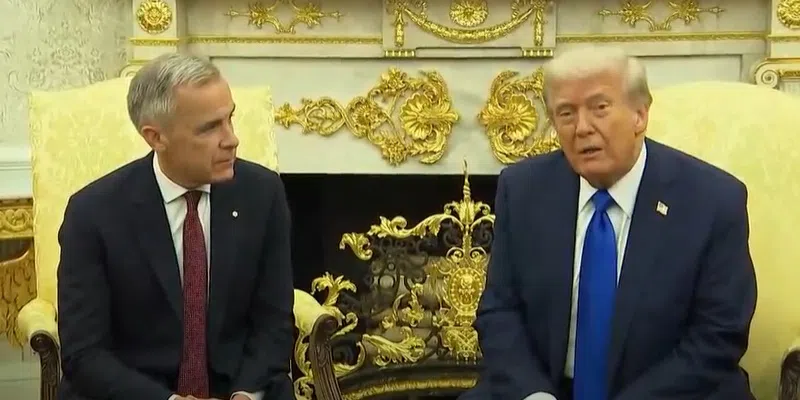
For years, Canada benefited from predictable trade rules and open access to the U.S. market. That assumption has now been shaken. Under Trump’s tariff-first doctrine, access to the American economy has begun to feel conditional—sometimes priced through tariffs, sometimes tied to regulatory demands or domestic investment requirements. When asked whether Canada should simply accept a permanent tariff as the cost of doing business with the United States, Carney did not escalate. Instead, he reframed the debate around sovereignty and long-term resilience.
His most quoted line cut straight to the core of the issue: when the rules no longer protect you, you must protect yourself. Carney argued that global institutions once relied upon for stability—from the World Trade Organization to broader multilateral frameworks—are under strain. In this environment, countries that cannot feed themselves, fuel themselves, or defend themselves are exposed. Trade, he warned, is no longer just economics; it is power.
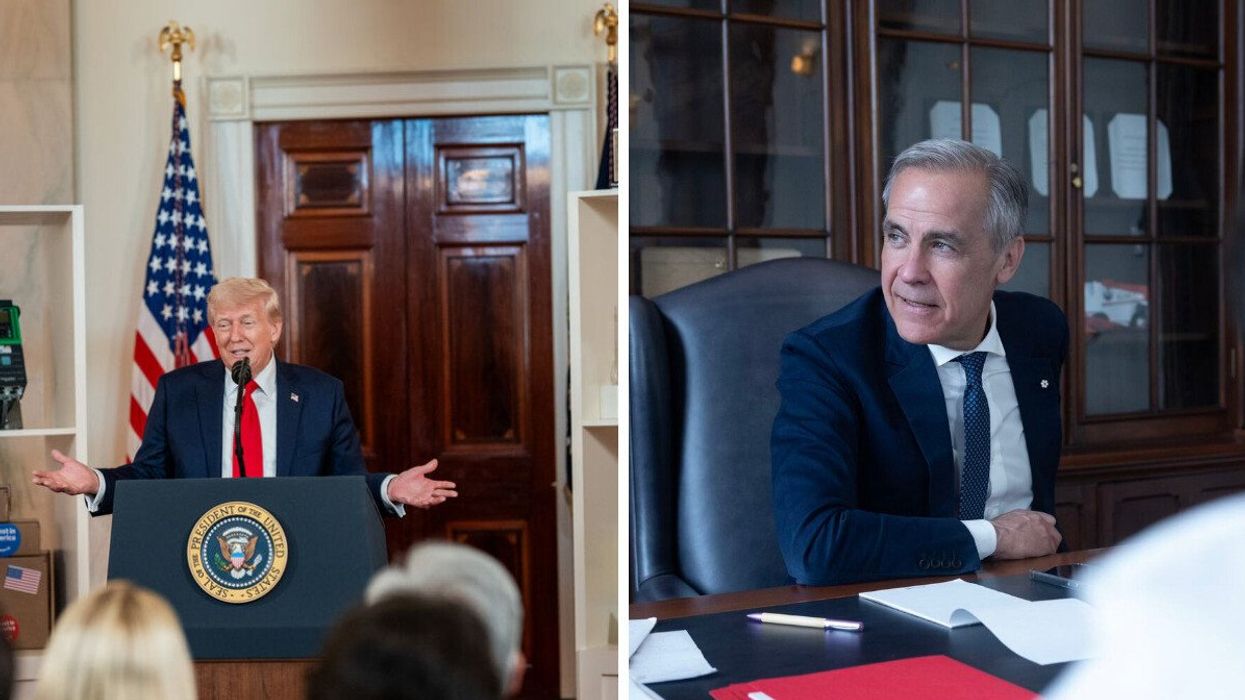
Rather than retaliating headline by headline, Canada is changing the playing field. Carney outlined an aggressive domestic strategy built on competitiveness, not confrontation. Massive tax incentives now allow businesses to fully write off investments in manufacturing, artificial intelligence, clean energy, electric vehicles, and research and development. Canada’s effective investment tax rate, he noted, is now lower than that of the United States and below the G7 average—an intentional move to attract long-term capital even as tariff risks rise.
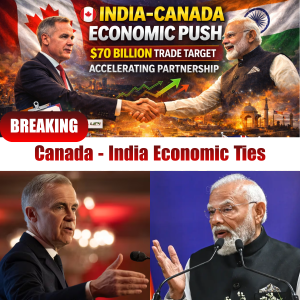
Diversification was the other pillar of his message. Carney highlighted expanding ties with countries that want stability instead of surprise policy shifts, pointing to deepening engagement with India as a prime example. In a world where overdependence creates vulnerability, Canada is deliberately broadening its network of partners, supply chains, and markets to reduce exposure to unilateral pressure from any single economy.
The result is a strategic pivot that caught many observers off guard. Canada is not rejecting trade with the United States—but it is rejecting dependency. By strengthening domestic capacity, lowering barriers to investment, and building new global partnerships, Ottawa is signaling that tariff threats will no longer dictate its future. In an era where trade has become a battlefield, Canada’s response is not defiance for its own sake, but a calculated bet on resilience—and that may be what truly shocked the world.