Canada-India Relations Enter New Phase with Prime Minister Carney’s High-Level Visit to Mumbai and New Delhi
Mumbai — Prime Minister Mark Carney’s official visit to India this week represents a significant step in the recalibration of bilateral ties between Canada and India, following a period of strained relations that began in 2023. The trip, spanning Mumbai and New Delhi from late February to early March 2026, marks the first bilateral visit by a Canadian prime minister to India since 2018 and has been characterized by both governments as a constructive effort to advance shared economic and strategic interests.
Diplomatic engagement between Canada and India experienced substantial challenges after 2023, when allegations surfaced regarding links between Indian officials and a violent incident on Canadian soil involving a Sikh separatist leader. Those claims led to mutual diplomatic expulsions, reduced embassy staffing, and a pause in high-level interactions, including trade negotiations. Relations began to stabilize in 2025, notably with an invitation extended to Indian Prime Minister Narendra Modi for the G7 Summit in Kananaskis, Alberta, reinstatement of high commissioners, and resumption of ministerial channels. The current visit builds on that foundation, shifting focus toward pragmatic cooperation.
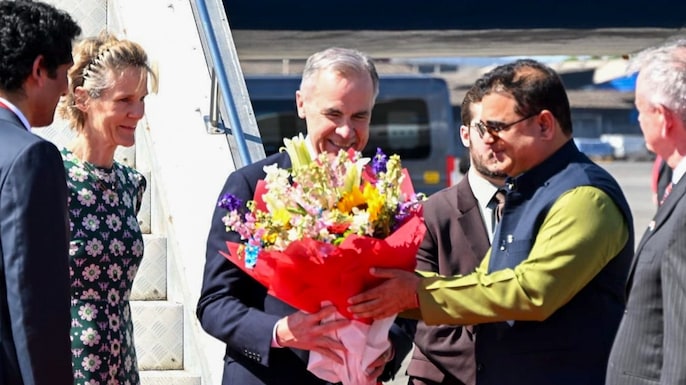
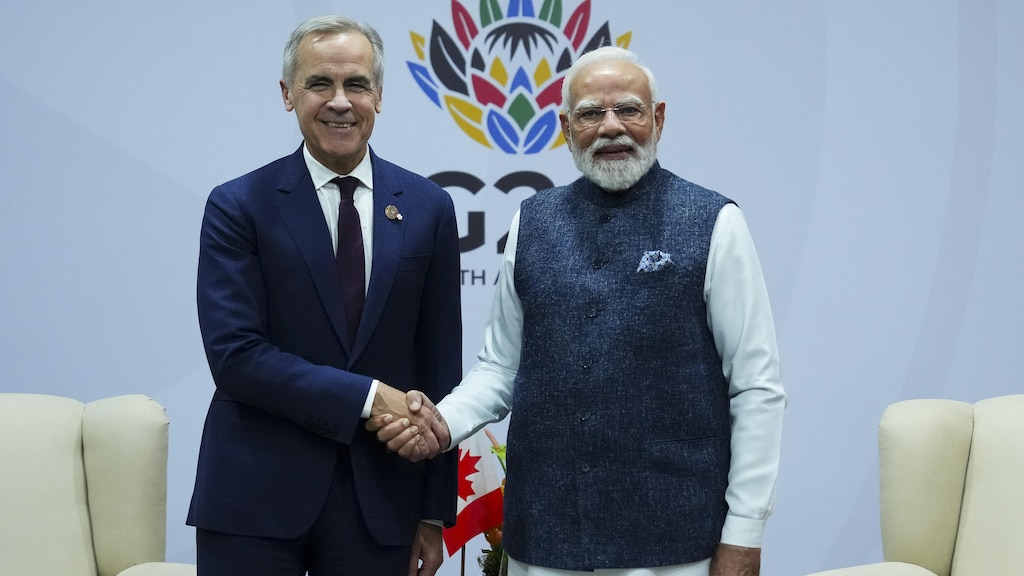
Carney arrived in Mumbai to attend the Canada-India Growth and Investment Forum, where he addressed business leaders and emphasized mutual economic opportunities. In New Delhi, he held delegation-level talks with Prime Minister Modi at Hyderabad House, resulting in a joint statement and the signing of multiple memorandums of understanding (MOUs). Key announcements included initiatives across energy and critical minerals, technology and artificial intelligence, talent mobility and culture, and defense cooperation. The leaders welcomed five specific MOUs and outlined ambitious steps to renew and expand the partnership.
The visit aligns closely with Canada’s broader policy of trade diversification amid evolving dynamics in North American economic relations. Facing periodic tariff adjustments and market access discussions with the United States, Ottawa has prioritized expanding export destinations and supply-chain resilience. India, with its rapid economic growth, expanding industrial base, and increasing demand for reliable energy sources, offers complementary strengths. Canada positions itself as a stable supplier of resources such as oil, liquefied natural gas, uranium, and critical minerals, while India seeks diversified import sources to support its energy security and industrial expansion.
For India, deepening ties with Canada supports objectives of supply-chain diversification and access to advanced technology and talent. Both countries share interests in strategic autonomy and resilience in an uncertain global environment.
Concrete outcomes from the visit include a major uranium supply agreement valued at approximately $2.6 billion, under which Canada will provide nearly 22 million pounds (about 9.9 million kilograms) of uranium to India for nuclear energy generation over the period from 2027 to 2035. This deal, one of several commercial agreements totaling around $5.5 billion announced during the trip, anchors energy cooperation and supports India’s civilian nuclear program expansion.

Additional pacts cover critical minerals, renewable energy collaboration, and other sectors. Prime Minister Carney has indicated that negotiations toward a Comprehensive Economic Partnership Agreement (CEPA) are advancing, with a target to conclude an ambitious framework by the end of 2026. The CEPA aims to double bilateral trade — which stood at roughly $23-24 billion in recent years — by 2030 through tariff reductions, improved market access, and clearer rules for services and investment. Canada remains the only G7 nation without a preferential trade arrangement with India, adding impetus to these talks.
Energy forms a central pillar of the emerging partnership. Canada, a major producer of uranium and other resources, can help meet India’s growing requirements for reliable, long-term supplies as New Delhi expands its nuclear and clean energy capacity. Discussions also touched on potential increases in crude oil, LNG, and LPG exports from Canada. These arrangements would diversify Canada’s traditional export patterns, which have historically concentrated on the United States, thereby enhancing economic flexibility.
Broader trade positioning includes technology collaboration, AI development, talent exchanges, and defense procurement opportunities. The Indo-Pacific focus of the visit — part of a wider tour including upcoming stops in Japan and Australia — underscores Canada’s strategy of building layered partnerships with like-minded economies.
The Canada-India reset occurs against a backdrop of global trade adjustments and efforts by mid-sized economies to cultivate multiple growth avenues. Both nations emphasize shared democratic values, rule of law, and commitments to sovereignty while pursuing economic complementarities. The visit reflects a pragmatic approach to compartmentalizing differences in certain areas while advancing cooperation where interests align.
Prime Minister Carney’s engagements in India signal a deliberate move toward a more balanced and resilient global posture for Canada, with strengthened Indo-Pacific ties complementing longstanding North American links. The tangible agreements on energy supplies, the momentum in CEPA negotiations, and the renewed high-level dialogue suggest potential for sustained progress in bilateral relations. As both countries navigate global economic uncertainties, the success of this recalibration will depend on continued pragmatic engagement and the effective management of shared priorities in trade, energy, and strategic cooperation.