Rolls-Royce Opens Singapore Facility as Hypersonic Engine Claims Draw Global Attention
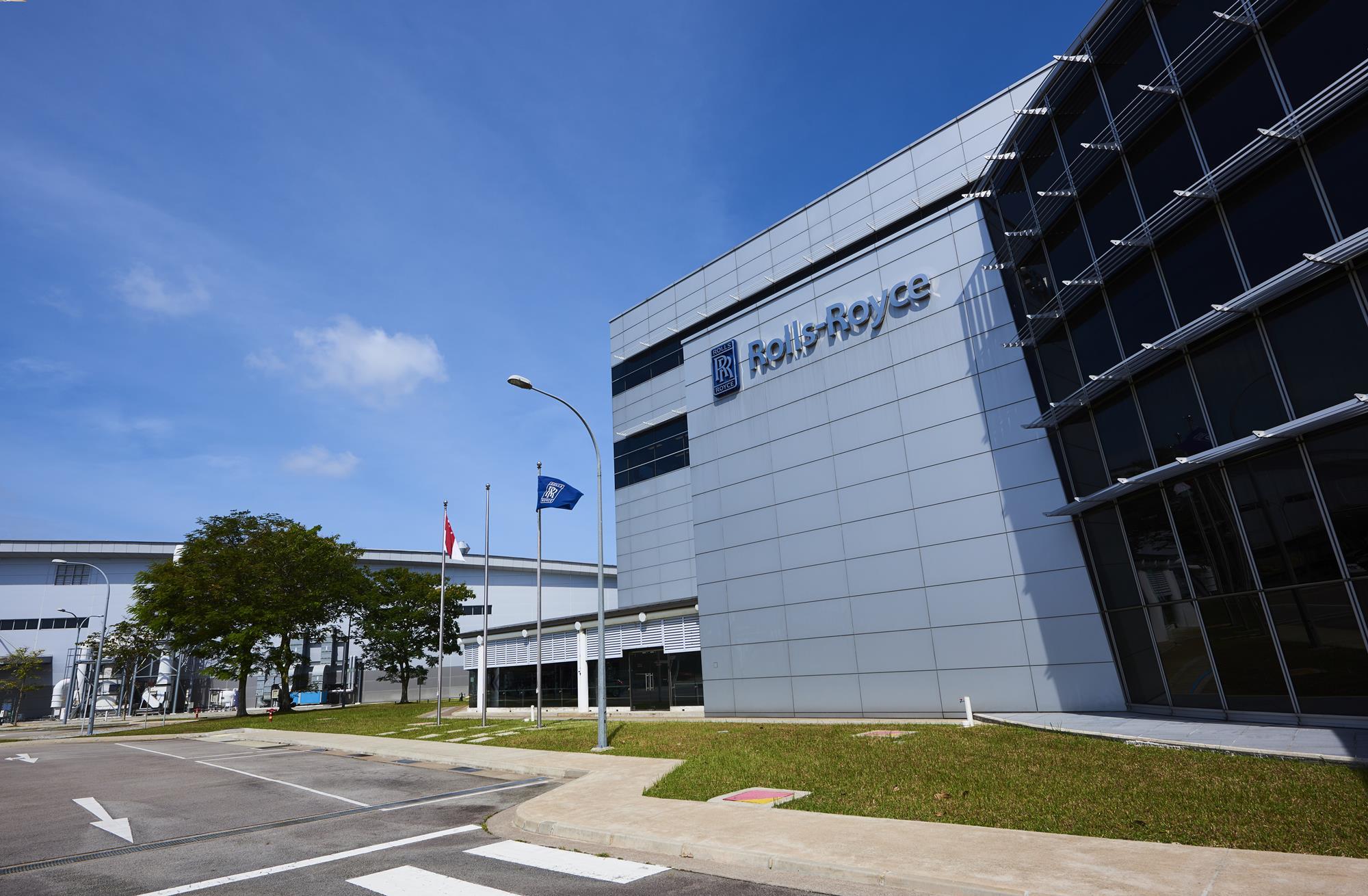
When Rolls-Royce opened a new manufacturing facility at Seletar Aerospace Park this week, the ceremony underscored more than a regional investment decision. It signaled the shifting geography of aerospace manufacturing — and highlighted the company’s increasingly ambitious claims about the future of high-speed propulsion.
The Singapore site will produce advanced fan blades and support final engine assembly, expanding Rolls-Royce’s footprint in Asia at a time when commercial aviation demand is rebounding and defense spending across the Indo-Pacific is rising. Company executives described the plant as a cornerstone of long-term strategy, positioning production closer to growth markets while reinforcing global supply chains that were strained during the pandemic.
But beyond the industrial announcement, attention within aerospace circles has focused on Rolls-Royce’s research into next-generation propulsion systems — including concepts aimed at enabling sustained hypersonic flight.
At the center of that research is the challenge that has long constrained aircraft operating above Mach 5: heat. At hypersonic speeds, air compression alone can generate temperatures exceeding 2,000 degrees Celsius along leading edges and engine components. Conventional metals soften, fatigue or fail outright under such stress. For decades, engineers have relied on exotic alloys, active cooling systems and limited-duration flight envelopes to manage these extremes.
Rolls-Royce engineers, working with academic partners including researchers at the University of Cambridge, have been studying advanced ceramic matrix composites designed to tolerate far higher thermal loads than traditional aerospace materials. These composites combine lightweight ceramic fibers with engineered crystal structures intended to dissipate heat rapidly across a broader surface area.
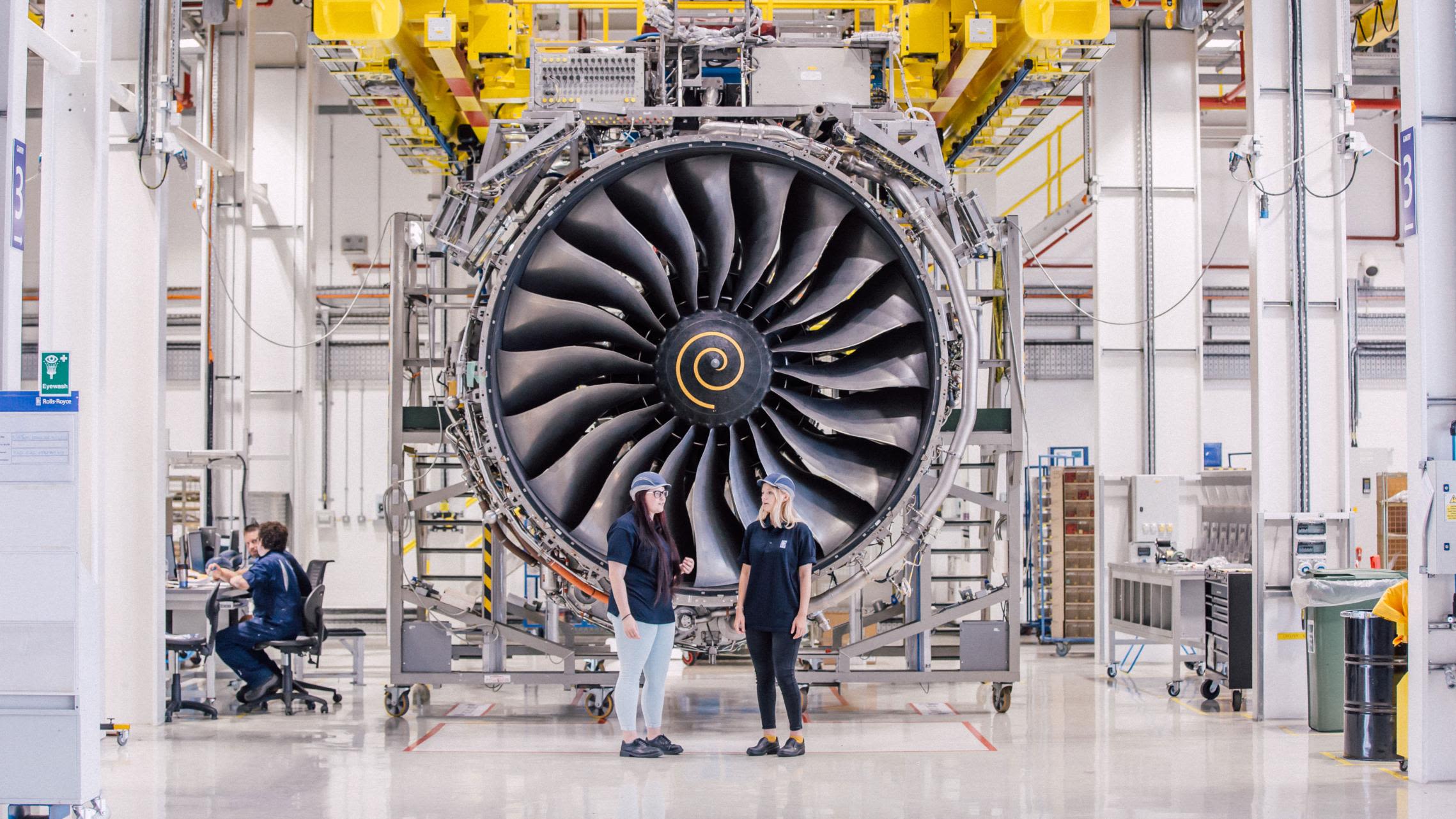
In laboratory settings, such materials have demonstrated the ability to maintain structural integrity at temperatures that would compromise steel or titanium. Their thermal conductivity characteristics — carefully tuned through microstructural design — allow heat to be transferred away from critical components more efficiently than earlier ceramic generations, which typically acted as insulators.
The distinction is subtle but significant. Traditional heat-resistant materials aim to endure high temperatures. Emerging approaches seek to manage heat flow itself — distributing, radiating and balancing energy so that localized hot spots do not accumulate to destructive levels.
Engineers caution, however, that translating laboratory breakthroughs into operational propulsion systems is an incremental and highly regulated process. Hypersonic propulsion concepts, including turbine-based combined-cycle engines and scramjets, must contend not only with materials science but also with fuel chemistry, aerodynamic stability, manufacturing scalability and cost.
Rolls-Royce has not publicly disclosed a certified Mach 7 operational engine for combat aircraft, and independent aerospace analysts note that sustained turbine-based hypersonic flight remains an active research frontier worldwide. Programs in the United States, Europe and Asia continue to explore viable architectures, often combining turbine engines for lower speeds with ramjet or scramjet modes at higher velocities.
Even so, materials science remains the fulcrum of progress. The ability to design ceramics at the molecular level — aligning crystal lattices to create predictable thermal pathways — represents a major advance over earlier trial-and-error development cycles. Computational modeling now allows researchers to simulate atomic behavior under extreme stress, accelerating discovery while reducing physical testing costs.
Singapore’s new facility is not itself a hypersonic research center. It is a production plant, intended to deliver components at industrial scale. But executives suggest that manufacturing capability and materials innovation are increasingly intertwined. Scaling advanced composites requires automated deposition systems, precision quality control and repeatable processes that can maintain atomic-level tolerances.
The strategic implications extend beyond engineering. Nations investing in high-speed flight view propulsion as both a commercial and defense priority. Hypersonic research influences missile technology, reconnaissance platforms and potential future passenger travel concepts. International collaboration — including between European partners and Indo-Pacific customers — has become common as development costs rise.

For Singapore, the Rolls-Royce expansion reinforces its status as a regional aerospace hub, complementing maintenance, repair and overhaul operations already based there. For Rolls-Royce, it strengthens ties to Asian carriers and defense customers while distributing production risk geographically.
The larger question — whether materials breakthroughs will soon enable routine hypersonic aviation — remains open. History suggests caution. Many propulsion concepts once hailed as imminent required decades of refinement before entering service. Yet the steady convergence of computational design, advanced ceramics and globalized manufacturing points toward a future in which thermal limits are less rigid than once assumed.
If the physics of hypersonic flight are not being rewritten, they are being more precisely understood. And in laboratories from Cambridge to Singapore, engineers are testing whether what once seemed unreachable may, with enough iteration, become practical.