When President Donald Trump announced a 50 percent tariff on Brazilian goods this year, the measure was framed as a show of economic resolve. Among the products most immediately affected was coffee — a staple of American consumption and a cornerstone of Brazil’s export economy. What followed was not simply a price increase at American cafés, but a subtle reshaping of trade flows that revealed how quickly global supply chains can adapt.
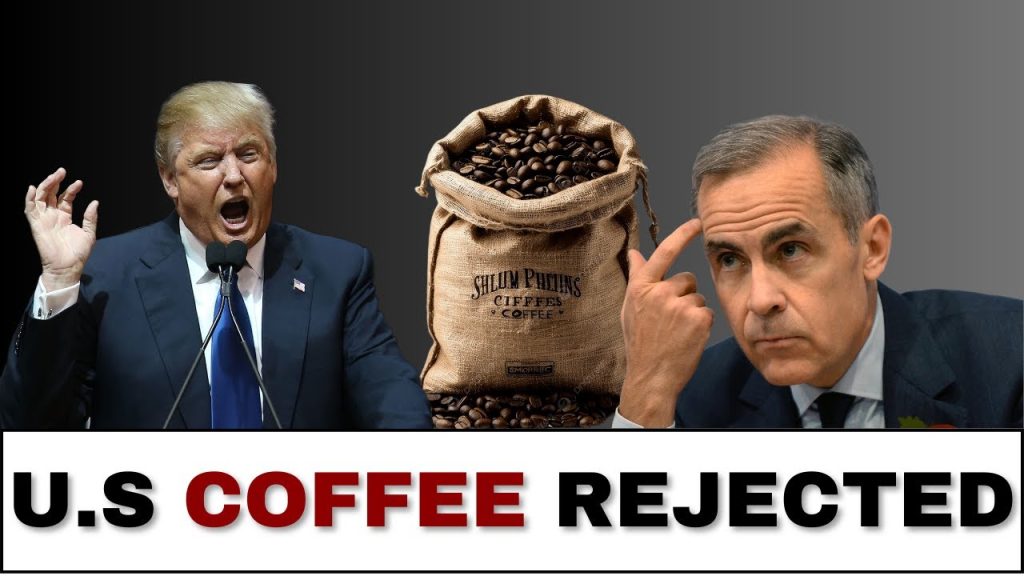
Brazil is the world’s largest coffee exporter, responsible for roughly a third of global supply. For decades, the United States has been one of its most dependable customers, importing vast quantities of beans for roasting and resale. The new tariff, imposed with little warning, disrupted that equilibrium. American importers found themselves scrambling to renegotiate contracts, absorb higher costs or pass them on to consumers.
The initial effects were visible within weeks. Wholesale coffee prices in the United States rose sharply. Smaller roasters reported delays at ports as shipments awaited customs clearance under the new tariff regime. Café owners in cities from Seattle to Atlanta raised prices, citing surging import costs. For a commodity as ubiquitous as coffee, even modest increases reverberated widely.
Brazilian exporters, meanwhile, moved quickly to limit their exposure. Trade officials in Brasília emphasized diversification, accelerating talks with buyers in Europe and Asia. China increased orders. Several European distributors signed longer-term supply agreements. Yet one of the more intriguing beneficiaries of the disruption was not a coffee-growing nation at all, but Canada.
Canada does not cultivate coffee; its climate makes that impossible. But it is one of the world’s most enthusiastic consumers and a significant importer of green beans for domestic roasting. As American buyers hesitated under tariff pressure, Canadian importers stepped into the breach. Shipments originally destined for U.S. ports were redirected northward to Vancouver and Montreal, where they entered a market free of new duties and political uncertainty.
The shift was less dramatic than the headlines suggest — the United States remains a far larger coffee market than Canada — but it was meaningful. Canadian roasters secured supply at relatively stable prices while American firms faced volatility. Some Brazilian exporters, wary of abrupt policy shifts in Washington, signaled a preference for partners perceived as predictable. Reliability, in commodity markets, carries its own premium.
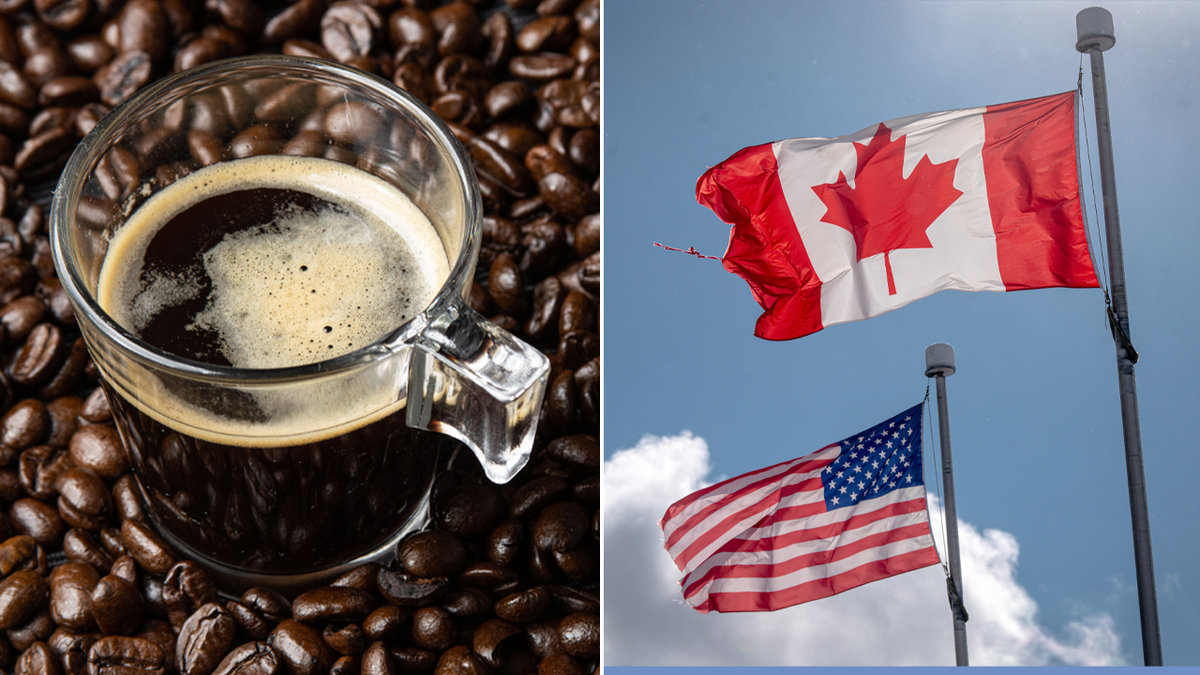
Economists caution against overstating the transformation. Canada has not “replaced” the United States as Brazil’s primary coffee customer. American consumption remains vast, and long-term commercial ties are deeply entrenched. But the episode illustrates how quickly trade patterns can adjust when policy risk enters the equation. Even temporary tariffs can encourage exporters to cultivate alternative markets that persist beyond the initial dispute.
For consumers, the story is tangible. In the United States, the tariff’s cost has been diffused across millions of daily transactions: a few cents more for a cup of drip coffee, a higher supermarket bill for a bag of beans. In Canada, prices have remained comparatively steady, reinforcing a perception — fair or not — that stability in trade policy shields households from sudden shocks.
For Brazil, the lesson may be strategic. Concentration risk — reliance on a single dominant buyer — leaves exporters vulnerable to political decisions beyond their control. Diversification is not only about expanding sales; it is about insulating national industries from volatility. By broadening its customer base, Brazil reduces the leverage any one country can exert over its coffee sector.
The broader geopolitical implications are more complex. Mr. Trump’s tariff policy is intended to protect domestic industries and extract concessions from trading partners. Critics argue that in sectors where the United States lacks domestic production — coffee among them — tariffs function less as protection and more as a tax on consumers. Supporters counter that assertive trade measures are necessary to recalibrate global relationships perceived as imbalanced.
What this episode ultimately underscores is the fragility of modern supply chains. Coffee beans grown in Minas Gerais can be roasted in Chicago, sold in Toronto and consumed in Berlin — a web of commerce that depends on predictable rules. When those rules shift abruptly, markets do not freeze; they reroute.
Canada’s expanded role in Brazilian coffee imports may prove temporary or may become a durable feature of the trade landscape. Much will depend on whether American tariffs remain in place and how exporters weigh political risk against market size. But the moment offers a clear reminder: in a globalized economy, power is not exercised only through dominance. It is also exercised through consistency. And when consistency falters, even something as routine as a morning cup of coffee can tell a story about changing economic tides.