Greenland Rejects U.S. Pressure, Strengthens Cooperation With Canada
Greenland has once again made clear that its future will be decided by Greenlanders — not foreign powers. After renewed comments from former U.S. President Donald Trump about acquiring the Arctic territory, Greenlandic leaders reaffirmed their commitment to self-determination while deepening diplomatic and cultural ties with Canada.
The development has sparked fresh discussion about Arctic geopolitics, sovereignty, and the growing strategic importance of the region.
Why Greenland Matters Strategically
Greenland, an autonomous territory within the Kingdom of Denmark, is home to roughly 56,000 people. Despite its relatively small population, Greenland occupies a critical position in the Arctic.
Its geographic location between North America and Europe makes it strategically valuable for:
-
Arctic shipping routes
-
Military positioning and missile defense
-
Rare earth minerals and natural resources
-
Climate research and environmental monitoring
The United States already maintains Pituffik Space Base (formerly Thule Air Base) in northwest Greenland under longstanding defense agreements with Denmark. However, previous remarks suggesting the U.S. should “acquire” Greenland sparked international backlash and domestic opposition within Greenland itself.
Greenland’s Firm Message: “We Are Not for Sale”
Greenland’s political leadership has consistently rejected any notion of being purchased or annexed. Officials have reiterated that Greenland’s future status — including any potential move toward full independence from Denmark — will be determined solely by its people.
Public opinion in Greenland strongly favors increased autonomy and eventual independence, but not incorporation into another nation.
The statement aligns with international law principles affirming territorial integrity and the right of peoples to self-determination.
Canada’s Diplomatic Approach
While U.S. rhetoric focused on strategic necessity, Canada adopted a different tone.
Prime Minister Justin Trudeau and Canadian officials emphasized respect for Greenland’s autonomy and decision-making authority. Canada expanded diplomatic engagement, including reopening or strengthening its consular presence in Greenland’s capital, Nuuk.
Canada’s message was straightforward: Greenland’s future is for Greenland and Denmark to decide.
This approach resonated culturally and historically, particularly because Inuit communities in Greenland share deep ties with Inuit populations in northern Canada.

Shared Inuit Heritage
Greenland and Canada are connected not only by geography but by culture.
The Inuit people inhabit Arctic regions across Greenland, Canada, and Alaska. Cultural exchange, language similarities, and family connections span Arctic borders.
Organizations like the Inuit Circumpolar Council facilitate collaboration among Inuit communities across national lines. This shared identity plays a role in shaping Greenland’s preference for partnership-based diplomacy over territorial negotiations.
Arctic Competition Intensifies
The controversy underscores a broader reality: the Arctic is becoming one of the world’s most strategically contested regions.
As climate change accelerates ice melt, new shipping lanes such as the Northern Sea Route and Northwest Passage are becoming more accessible. Nations including:
-
United States
-
Russia
-
China
-
Canada
are increasing Arctic investments in military presence, infrastructure, and resource exploration.
Greenland’s mineral reserves — including rare earth elements critical for electric vehicles, wind turbines, and defense technologies — further heighten global interest.
Denmark’s Role in the Equation
As an autonomous territory, Greenland controls many of its domestic affairs but relies on Denmark for defense and foreign policy under the current constitutional arrangement.
Copenhagen has supported Greenland’s gradual move toward greater self-governance, while maintaining security cooperation with NATO allies.
Denmark has also publicly dismissed proposals to sell Greenland, reinforcing that the territory is not a commodity.
Economic Independence and Diversification
Greenland’s long-term goal remains economic sustainability. The territory’s economy relies heavily on fishing exports and Danish subsidies. Expanding partnerships with Canada and other Arctic nations could help diversify trade, tourism, and research collaboration.
Greenland’s leaders have expressed interest in developing infrastructure, renewable energy projects, and responsible mineral extraction — but with strict environmental safeguards.
This balanced strategy aims to strengthen sovereignty without sacrificing ecological protection.
Diplomatic Tone vs. Geopolitical Pressure
The contrast between rhetoric and diplomacy has shaped global perceptions.
Where aggressive acquisition talk raised concerns about sovereignty, Canada’s cooperative language reinforced international norms. Analysts suggest that smaller nations often respond more positively to partnership-based engagement than to transactional geopolitics.
In modern diplomacy, tone can matter as much as policy.
Public Sentiment in Greenland
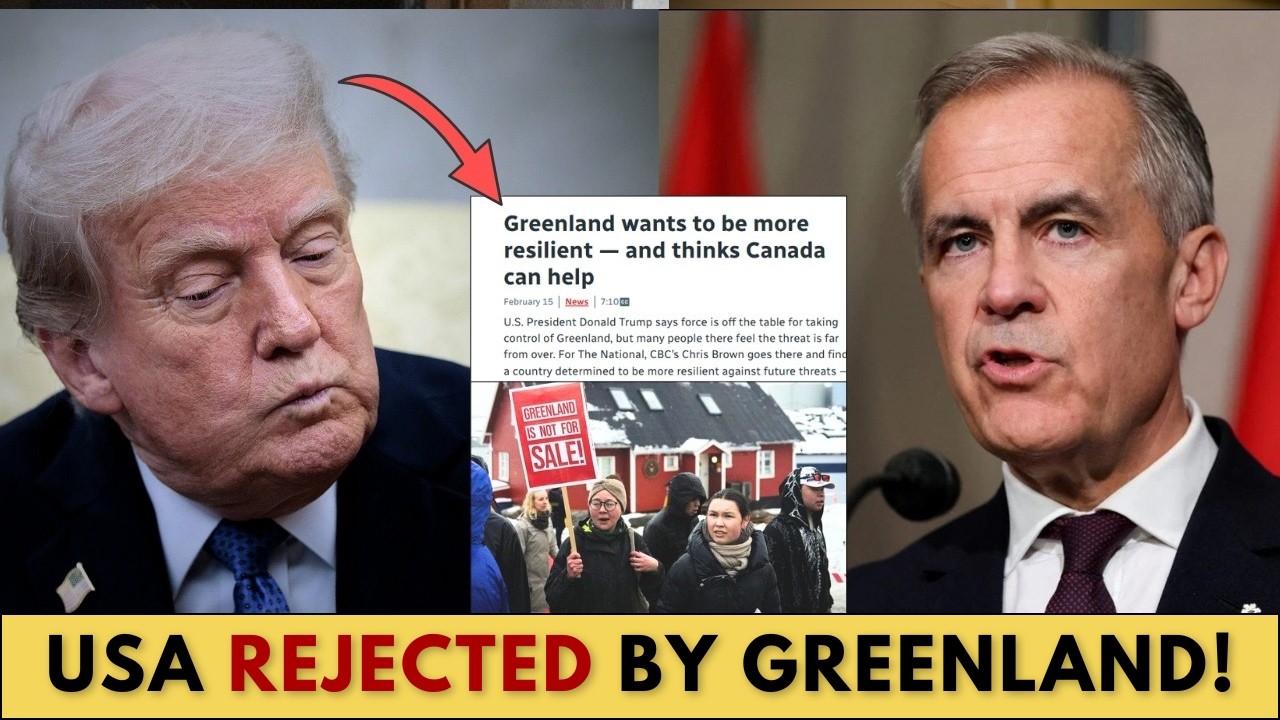
Following renewed acquisition discussions, Greenlandic citizens organized demonstrations and social media campaigns emphasizing autonomy.
The phrase “Greenland is not for sale” became symbolic of broader resistance to external pressure.
For many Greenlanders, the issue extends beyond geopolitics. It touches on identity, cultural preservation, and the right to determine their political future without coercion.
The Future of U.S.–Greenland Relations
Despite tensions, the United States remains an important security and research partner in the Arctic. Defense agreements, climate research collaboration, and economic ties continue.
Future cooperation will likely focus on:
-
Infrastructure investment
-
Military modernization agreements
-
Arctic climate initiatives
-
Mineral development partnerships
However, any expansion of involvement will require careful diplomacy and respect for Greenland’s autonomy.
Arctic Geopolitics in 2026 and Beyond
The Greenland episode highlights a larger trend: Arctic nations are redefining alliances as global power competition intensifies.
Key factors shaping the region include:
-
Climate change and new maritime routes
-
Critical mineral demand
-
NATO security dynamics
-
Indigenous sovereignty movements
-
Energy transition pressures
Greenland sits at the center of these forces.
Its strategic value ensures it will remain a focal point of international attention — but its leadership has made clear that future decisions will not be dictated externally.
Sovereignty in a Changing Arctic
Ultimately, Greenland’s position reflects a broader principle in international law: sovereignty cannot be transferred without the consent of its people.
Whether Greenland eventually pursues full independence from Denmark or continues its current autonomous status, its leaders have consistently emphasized choice, dignity, and self-governance.
Canada’s emphasis on partnership rather than acquisition aligns with that framework, reinforcing cooperation over confrontation.
Conclusion
Greenland’s rejection of acquisition rhetoric and its strengthening ties with Canada mark a defining moment in Arctic diplomacy.
As global competition for resources and influence grows, smaller nations are asserting agency in shaping their futures.
For Greenland, the message is clear:
Its land is not a bargaining chip.
Its culture is not negotiable.
Its future belongs to its people.
In an era of shifting global power, Greenland’s stance serves as a reminder that even strategically critical territories are governed first and foremost by the principle of self-determination.