JUST IN: TRUMP PRESSURES GREENLAND — CANADA QUIETLY LOCKS DOWN THE ARCTIC’S FUTURE
Donald Trump’s renewed push to claim Greenland as a U.S. “national security necessity” has reignited global alarm, but the real story is not Trump’s threats—it is how Canada is steadily winning the Arctic without making noise. While Donald Trump talks openly about annexation and refuses to rule out force, Canada has moved methodically to secure diplomatic, economic, and military influence across the High North. The contrast could not be clearer: bluster versus strategy, coercion versus credibility.

As Trump escalates rhetoric toward Greenland and strains relations with Denmark, Canada has expanded its Arctic footprint through partnerships that respect sovereignty. Ottawa opened a consulate in Nuuk at the precise moment Trump was issuing threats, signaling long-term commitment rather than short-term pressure. Canada followed by strengthening ties across the Arctic, including new diplomatic presences and coordinated security planning with regional partners who are increasingly uneasy about Washington’s tone.
The timing matters because the Arctic is no longer a frozen backwater. Melting ice is transforming the region into one of the most valuable strategic zones on Earth. Shipping routes like the Northwest Passage—running through Canadian Arctic waters—are becoming viable trade corridors linking Asia and Europe. At the same time, Greenland sits atop vast reserves of rare earth elements, lithium, and other critical minerals essential for electric vehicles, clean energy, and advanced weapons systems. Control of these resources will define global power for decades.
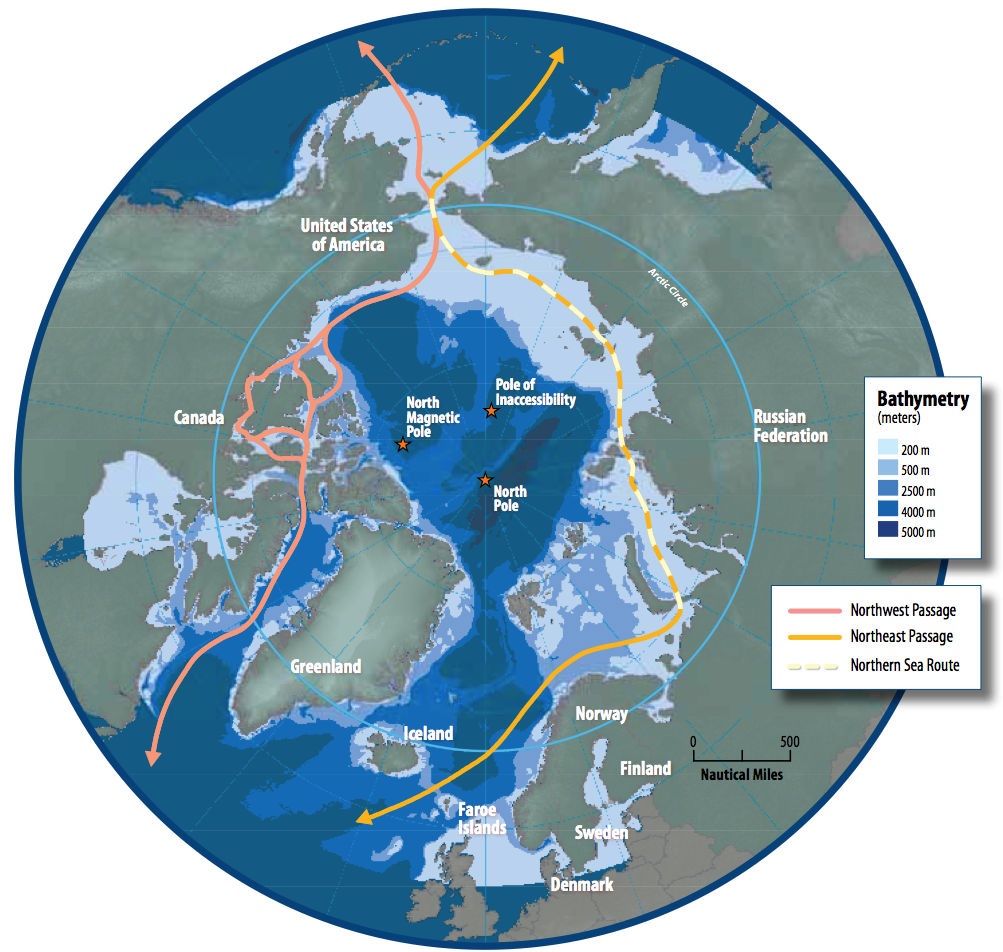
Trump believes dominance comes from ownership and threats. Canada believes it comes from infrastructure and trust. Ottawa has committed billions to Arctic operational support hubs, satellite communications, and naval patrols, all designed as dual-use investments that serve both defense needs and local communities. Indigenous partnerships are central to this approach, reinforcing legitimacy where Trump’s tactics generate resistance. While U.S. envoys face protests and diplomatic backlash, Canada is welcomed as a neighbor with shared Arctic heritage.
The geopolitical consequences are already visible. European Arctic nations are drifting closer to Canada as Trump’s language raises fears about American reliability. Open talk of annexing allied territory has unsettled NATO partners and strengthened the argument for Arctic cooperation that does not depend on Washington. Meanwhile, Canada’s steady presence positions it as the natural coordinator for Arctic security, trade, and resource development—exactly the role the United States risks forfeiting.
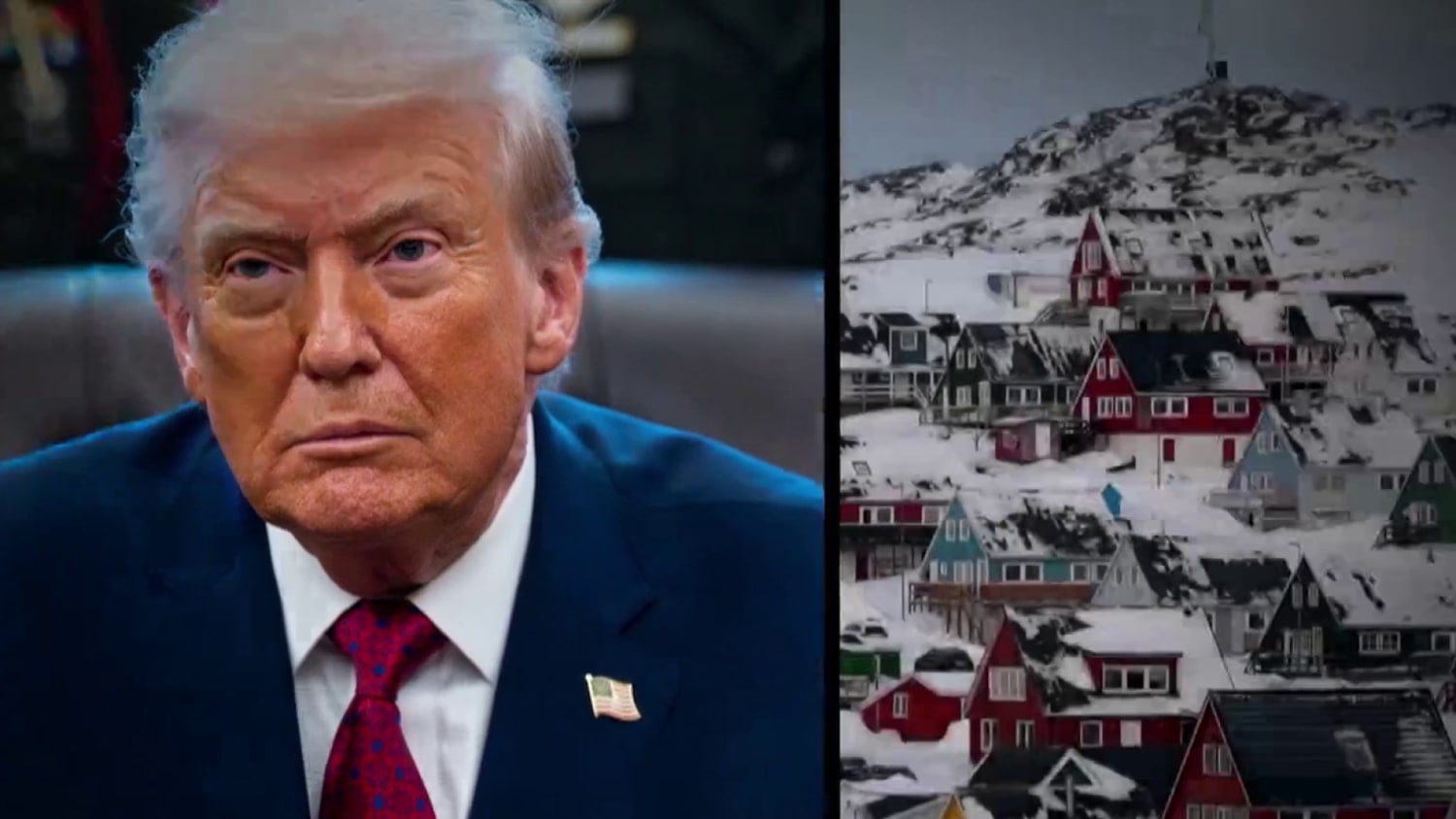
The irony is sharp. Trump frames Greenland as vital to American security, yet his pressure campaign is driving Greenland and its partners toward Canada and Europe instead. Canada, under leaders like Mark Carney, is shaping the Arctic’s future through investment, diplomacy, and respect for sovereignty. The Arctic is being decided right now, not by who shouts loudest, but by who builds relationships that last—and in that contest, Canada is already ahead.