TRUMP’S CANADA THREATS ARE BACKFIRING — HOW A TRADE WAR IS CRIPPLING U.S. AUTO GIANTS
Trade wars are often framed as a show of strength, but the fallout from Donald Trump’s threats toward Canada tells a very different story. Over less than a decade, Canada’s auto industry has undergone a dramatic shift that has quietly weakened American dominance. Production that once symbolized U.S. industrial power has shrunk, while foreign competitors expanded their foothold. The result is an industry realignment that is now hurting American brands far more than their intended targets.

In the mid-2010s, Canada produced about 2.3 million vehicles annually, with American automakers firmly in control. Companies like General Motors, Ford, and Stellantis accounted for more than half of all vehicles built in the country. Fast forward to today, and total production has fallen to roughly 1.2 million units. The most striking loss belongs to the Detroit Three, whose combined share has collapsed to about 23 percent, erasing decades of dominance in a market they once defined.
While U.S. brands pulled back, Japanese automakers steadily moved forward. Toyota and Honda maintained consistent output, invested through downturns, and integrated their Canadian plants into long-term global strategies. Their reward was a surge in market control, rising from roughly 44 percent of Canadian production in the 2010s to more than three-quarters today. Hybrid models built in Ontario became bestsellers, reinforcing the perception that these brands were committed to Canada while American rivals hesitated.
Trade policy poured fuel on this shift. U.S. tariffs of 25 percent on Canadian and Mexican vehicles disrupted deeply integrated North American supply chains, driving up costs for American automakers most dependent on cross-border production. Japanese firms, with more localized manufacturing and larger U.S. assembly footprints, were less exposed. Canadian consumers noticed. Plant closures, layoffs, and inconsistent supply damaged trust in American brands, accelerating a quiet consumer boycott in favor of manufacturers seen as more stable and reliable.
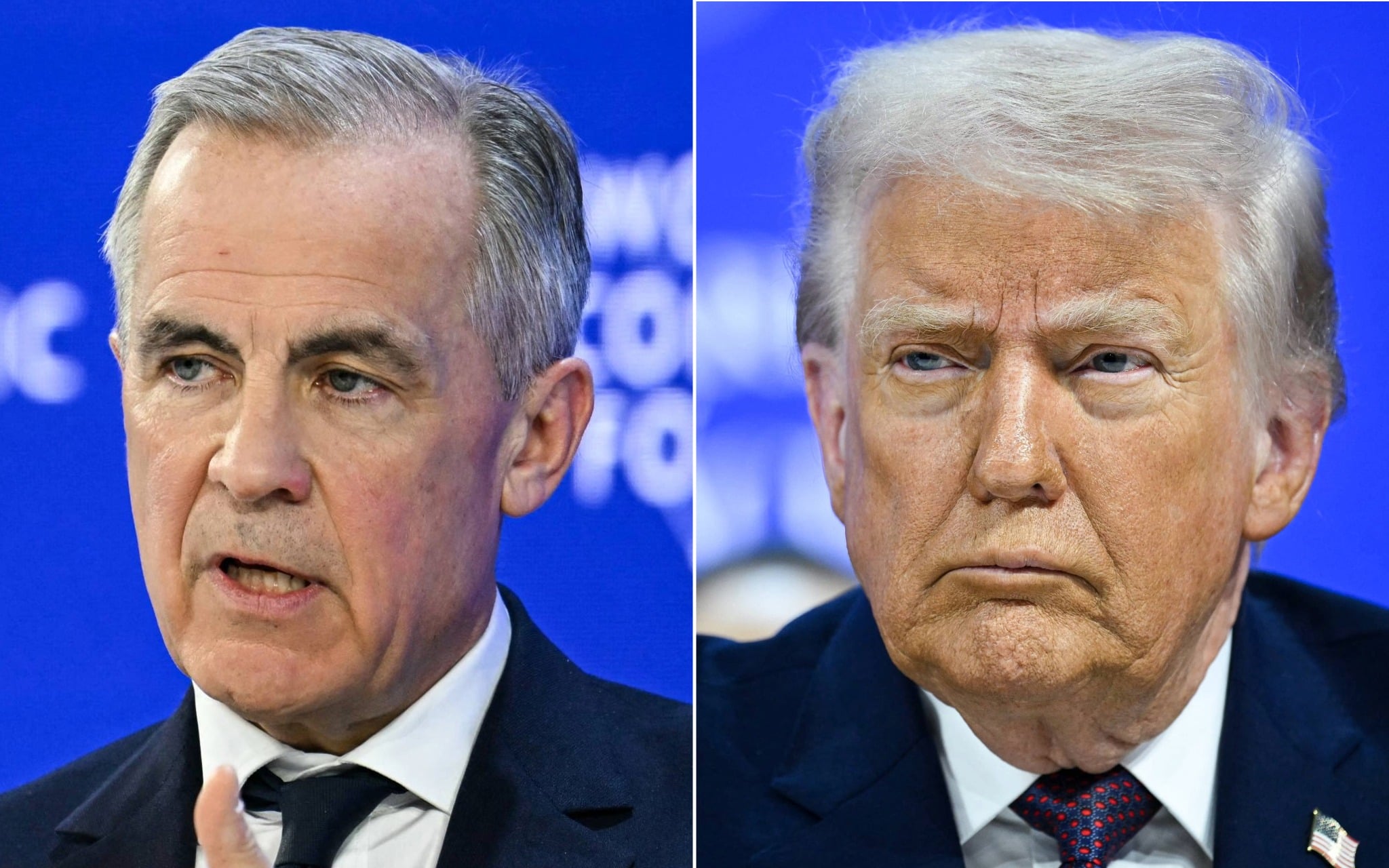
Now, a new pressure point is emerging. China’s BYD, the world’s largest electric vehicle producer, is positioning ultra-low-cost EVs that could undercut every major brand in Canada. At the same time, Canadian leaders like Mark Carney face a difficult choice: protect legacy American automakers with shrinking footprints, or back companies—Japanese today, potentially Chinese tomorrow—that are investing for the future. History alone is no longer enough to guarantee loyalty in a market driven by price, technology, and reliability.
Trump’s threats were sold as a way to restore American manufacturing strength. Instead, they weakened it. By pressuring its closest trading partner, the United States accelerated the loss of market share, jobs, and influence in a sector it once dominated. Canada adapted, competitors advanced, and Detroit paid the price. The lesson is stark: when trade wars collide with tightly integrated industries, the damage often lands at home first.