TRUMP DEMANDS WORLD CUP CONTROL — FIFA PUSHES BACK AS CANADA & MEXICO STEP INTO THE SPOTLIGHT
Donald Trump has ignited fresh controversy after claiming he could personally move 2026 World Cup matches out of U.S. cities he considers unsafe, a declaration that sent shockwaves through both political and sporting circles. The remarks immediately triggered global headlines and raised a fundamental question: does the United States truly control the world’s biggest sporting event, or has that power already slipped away?
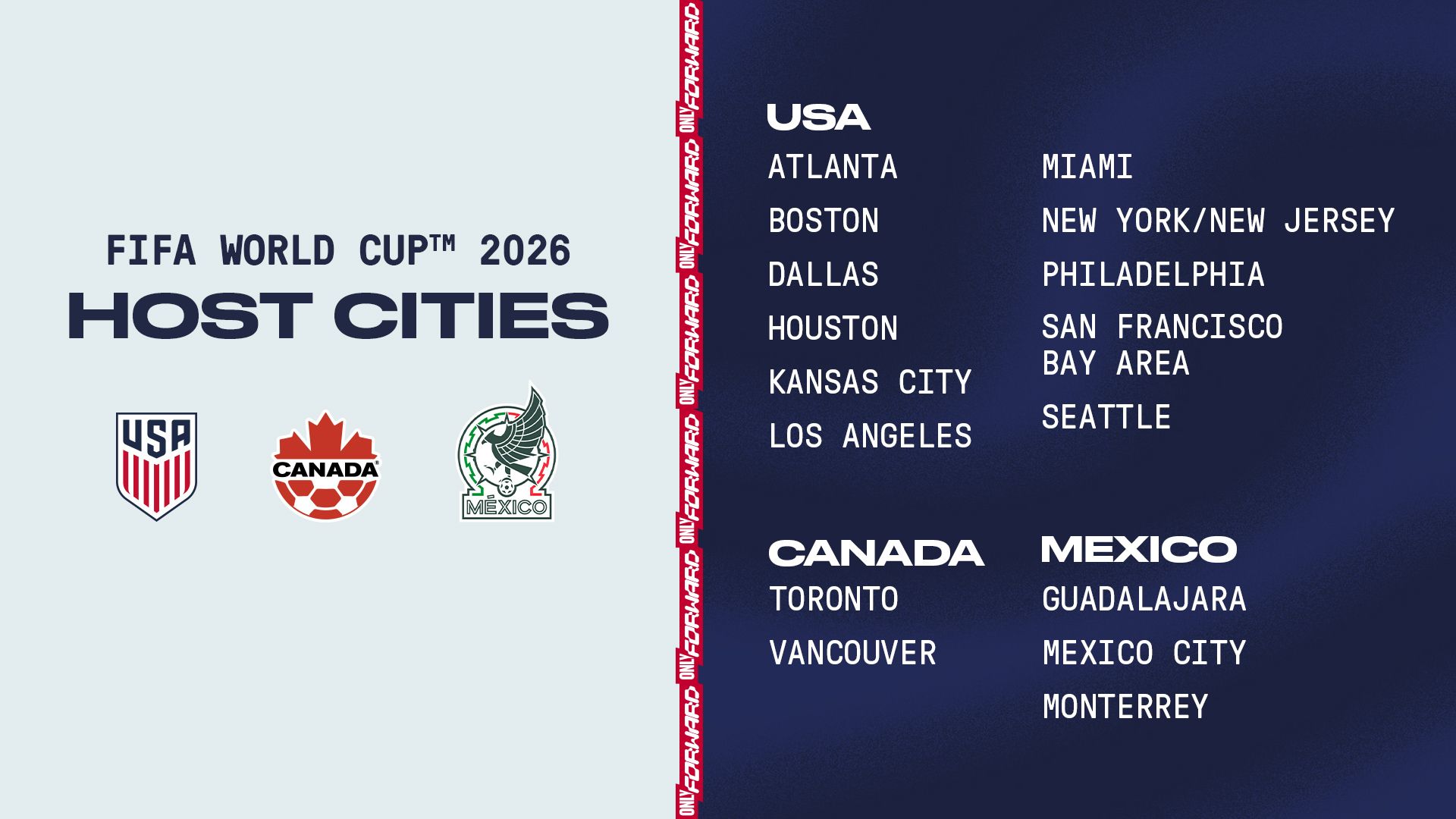
FIFA World Cup officials wasted little time responding. Senior voices inside FIFA made it clear that the tournament does not answer to any government, president, or political agenda. Behind the diplomatic language was a firm rejection of Trump’s assertion, reinforcing that host cities and match allocations are governed by contracts, international agreements, and years of logistical planning—not presidential opinion.
As the tension played out publicly, a quieter shift was unfolding behind the scenes. Canada and Mexico have been steadily positioning themselves as stable, reliable co-hosts, emphasizing safety, coordination, and readiness. Cities like Vancouver have highlighted massive economic benefits and meticulous preparation, presenting a sharp contrast to the uncertainty surrounding several U.S. venues now under political scrutiny.

The controversy has also revived broader concerns about America’s global image. International media and football analysts point to rising political division, security worries, and visa barriers as growing obstacles for fans hoping to attend matches in the United States. While previous World Cup hosts streamlined entry for visitors, the U.S. process remains complex—fueling doubts about whether America can still serve as the welcoming centerpiece of a global celebration.
Ironically, Trump himself once signed guarantees promising that all teams, fans, and officials would be welcomed regardless of nationality or background. Years later, his new rhetoric has had the opposite effect, prompting FIFA insiders to quietly revisit contingency plans. According to multiple reports, internal discussions now include the possibility of shifting high-profile matches toward calmer, more predictable locations north and south of the U.S. border.
Officially, nothing has changed. On paper, the 2026 World Cup remains a shared North American event. But symbolically, the balance appears to be tilting. As FIFA signals its independence and Canada and Mexico gain confidence, the spotlight that was once firmly fixed on the United States is no longer guaranteed—raising the possibility that America may host the World Cup, but no longer command it.