TRUMP STUNNED AS JAPAN WALKS AWAY FROM HIS “BIGGEST DEAL EVER” — ASIA SIGNALS A NEW ERA WITHOUT WASHINGTON
Donald Trump once hailed it as the biggest trade deal in American history: a sweeping framework that promised $550 billion in Japanese investment flowing into U.S. industry. Cameras flashed as he stood at the White House podium, framing the agreement as proof that tariffs and pressure had finally forced allies to pay up. But weeks later, that victory unraveled in dramatic fashion. Japan publicly rejected Washington’s control over the funds, triggering market shock, diplomatic tension, and a growing sense that America’s influence in Asia is no longer guaranteed.
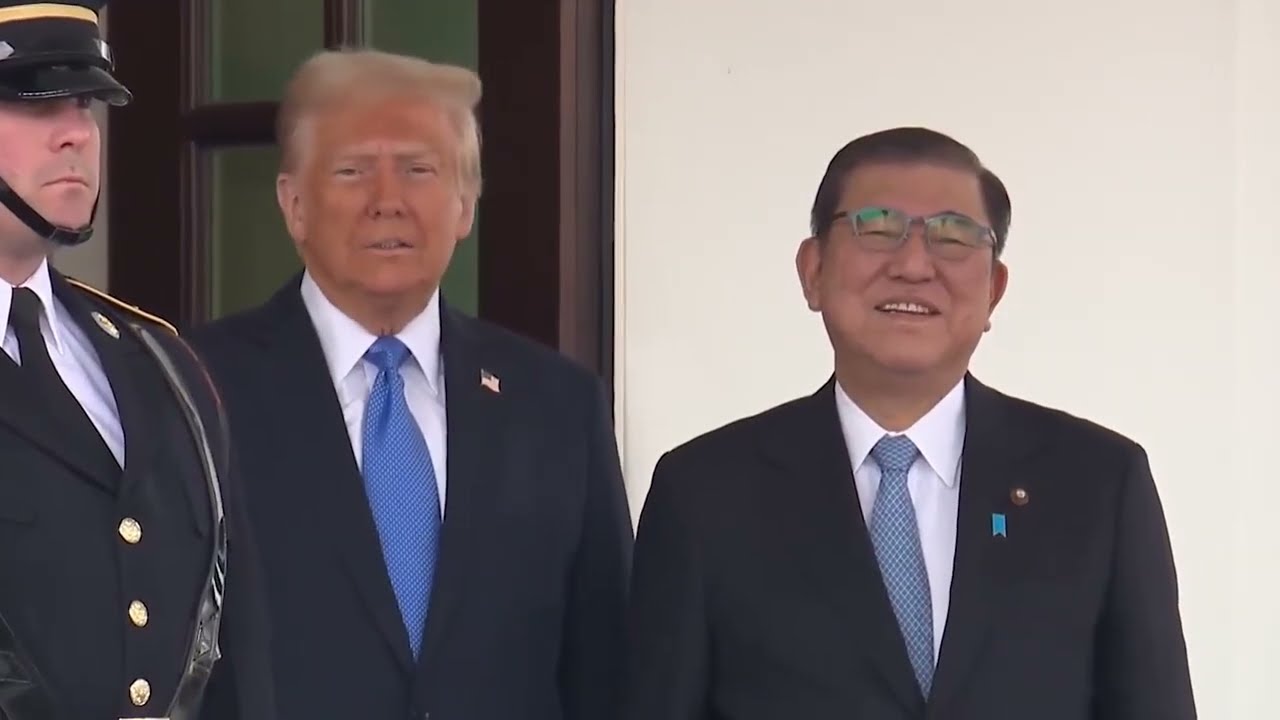
The deal, unveiled in mid-2025, was never a formal treaty. It reduced tariffs on Japanese exports while promising massive investment in U.S. shipbuilding, energy, semiconductors, and infrastructure. Trump boasted that America would capture the bulk of the profits, presenting the agreement as a masterstroke of economic leverage. Behind the scenes, however, Japanese officials warned that the framework was vague, legally fragile, and heavily tilted in Washington’s favor, leaving Tokyo exposed both politically and financially.
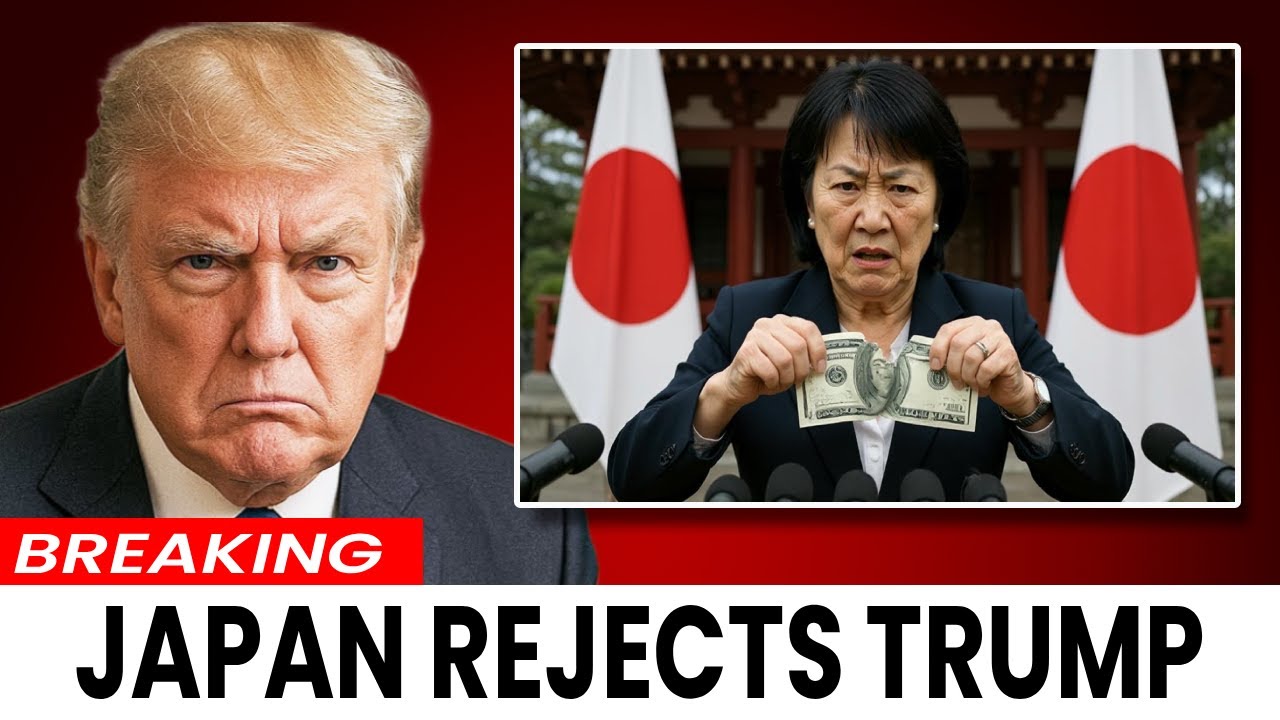
That fragility exploded into the open after a change in leadership in Japan. Newly sworn-in Prime Minister Sanae Takaichi moved quickly to re-examine what she called unfair commitments. Her government made it clear that Japan would retain control over project selection and the pace of any investment through its own development bank. The message was unmistakable: Tokyo would not hand Washington a blank check. Markets reacted instantly, with currency swings and falling shares among U.S. firms that had expected to benefit from the deal.
Japan’s defiance did not stop there. Analysts and business leaders in Tokyo warned that redirecting hundreds of billions of dollars overseas could destabilize an economy already burdened by debt exceeding 260% of GDP. Corporate executives criticized the lack of transparency, questioning where the money would go and what returns Japan would see. Even flagship projects like the Alaska LNG terminal faced doubts over profitability, reinforcing suspicions that Tokyo’s real strategy was to delay, dilute, or quietly exit the agreement.
The ripple effects spread across Asia. South Korea, facing similar U.S. pressure, publicly denied any obligation to deliver massive upfront payments after Japan pushed back. Observers noted a clear pattern emerging: Asian allies were no longer willing to accept trade arrangements built on tariff threats and unilateral control. What Washington framed as leadership increasingly looked like coercion, prompting partners to assert their own economic sovereignty.
For Trump, the fallout strikes at the heart of his political identity. The deal meant to showcase American dominance has instead become a symbol of its limits. As Japan recalibrates its alliance on more equal terms, a broader shift is taking shape across the Pacific. The question now facing Washington is no longer whether the deal can be salvaged, but whether the era of unquestioned U.S. economic command in Asia is quietly coming to an end.