Trump Signals Doubts About USMCA Trade Deal as Canada Bridge Dispute Fuels New Controversy
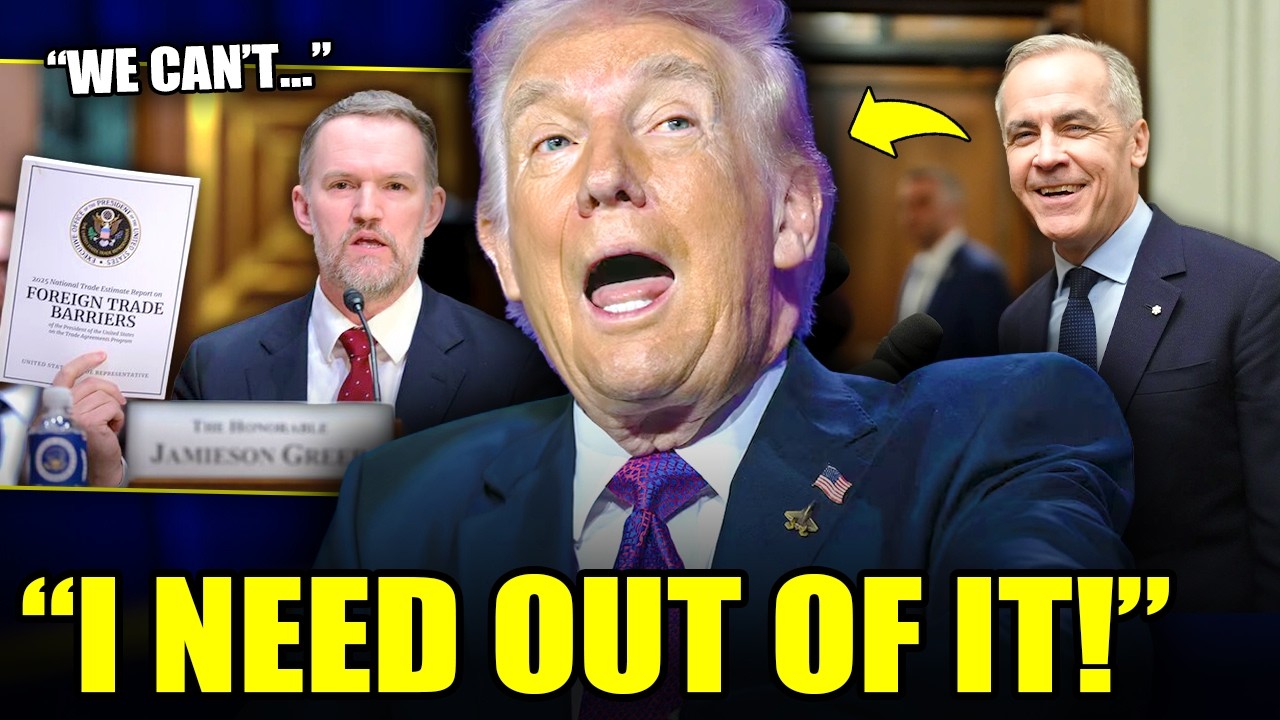
Recent political media coverage has intensified around former President Donald Trump after reports suggested he is reconsidering support for the USMCA trade agreement — the North American trade pact that replaced NAFTA in 2020. At the same time, controversy has grown over statements tied to the Detroit–Windsor Gordie Howe International Bridge project, a major cross-border infrastructure development between the United States and Canada.
Why the USMCA Matters to the U.S. Economy
The USMCA governs trillions of dollars in regional trade and directly affects auto manufacturing, farming exports, energy cooperation, and cross-border logistics. It was ratified through congressional approval, making it not just a diplomatic arrangement but also embedded in U.S. statutory law.
Trade experts widely note that altering or exiting such an agreement is not as simple as canceling a private contract. Because Congress implemented the deal through legislation, any major reversal could trigger legal and constitutional challenges. Courts could be asked to decide how much unilateral authority a president has over an enacted trade framework.
Businesses across the Midwest and border states are particularly sensitive to uncertainty around North American trade rules, since supply chains often cross borders multiple times before products are completed.

Detroit–Windsor Bridge Dispute Draws Attention
Another flashpoint in the discussion involves the Gordie Howe International Bridge connecting Detroit, Michigan, and Windsor, Ontario. The project — years in development — is designed to increase freight capacity and reduce congestion at existing crossings.
Canadian officials have stated publicly that Canada financed most of the bridge construction costs, including significant portions on the U.S. side, with shared ownership structures in place. Commentary videos and political media segments claim Trump criticized the arrangement and suggested the U.S. should receive additional compensation or control — though the practical authority over opening and operating the bridge involves existing bilateral agreements and regulatory processes.
Canadian leadership has responded by emphasizing that the bridge will open under the agreed framework and that cross-border infrastructure cooperation remains essential for both economies.
Legal and Constitutional Questions Emerging
Legal analysts say the broader issue goes beyond one bridge or one trade dispute. The core question is about separation of powers — specifically, how far executive authority extends when dealing with trade agreements already passed into law by Congress.
Under the U.S. Constitution, Congress regulates commerce with foreign nations, while presidents negotiate agreements. Once those agreements are implemented through legislation, courts often view them as binding unless Congress acts again to change them.
If any administration attempted to dismantle a major trade pact without legislative backing, it would likely face immediate court challenges from industry groups, states, and trade partners.
Market and Diplomatic Impact
Markets and international partners tend to react strongly to trade uncertainty. Economists warn that unpredictability around cross-border agreements can slow investment, disrupt pricing, and complicate long-term contracts. Diplomatically, allies often look for consistency and rule-based decision making rather than personality-driven negotiation shifts.
Supporters of tougher trade tactics argue that aggressive leverage can produce better terms. Critics counter that stability and credibility are themselves strategic assets.