In an unprecedented geopolitical standoff, U.S. President Donald Trump has demanded control over Canada’s vast freshwater resources amid severe droughts in the American West. Canadian authorities, led by Mark Carney, have firmly refused, declaring their waters a sovereign public trust. This confrontation shocks America, escalating tensions across the continent.

British Columbia recently announced that the U.S. government has paused negotiations on the expansive Columbia River Treaty. Official statements indicate the current administration is reviewing its international engagements, signaling heightened scrutiny and a possible shift in cross-border water policy amid growing resource crises.
President Trump’s statements about Canada’s vast freshwater reserves have ignited fierce debates. He highlighted the critical shortages in states like California, Arizona, and Nevada, suggesting that Canada’s water, flowing abundantly from northern snowcaps, could be a crucial solution to America’s worsening drought emergency.
Trump’s comments framed Canada’s freshwater reserves as a potential “large faucet” the U.S. could turn on to alleviate its water crisis. While not an overt demand, the implication that the United States might seek access has sent ripples through diplomatic channels and public opinion alike.
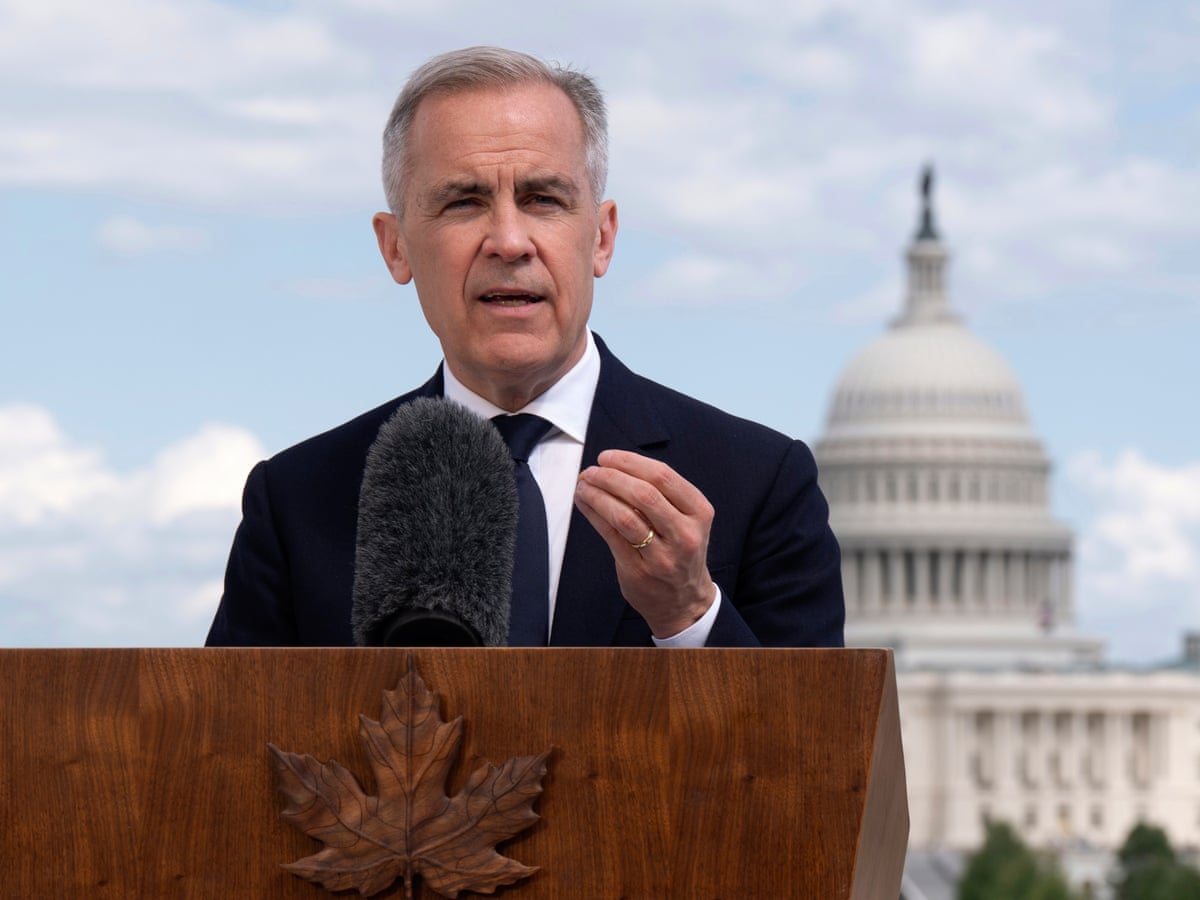
Canada’s response was swift and uncompromising. Prime Minister Mark Carney declared in no uncertain terms that Canadian water is not a tradable commodity. It is a public trust, a core part of the nation’s identity, environment, and sovereignty—non-negotiable under any circumstances.
Carney’s statement shut the door on any immediate negotiations over water rights, escalating diplomatic tensions. His remarks emphasize water’s intrinsic value beyond economics, warning that commodifying it would risk losing control over a resource fundamental to national survival and independence.
This unfolding conflict is about far more than water; it questions the very essence of sovereignty in an era of environmental scarcity. Canada holds nearly 20% of the world’s fresh water, much of it intertwined with its national identity, ecosystems, and livelihoods across vast and pristine landscapes.
For many Canadians, water is sacred—essential to their cultural fabric and survival. The idea of exporting this vital resource triggers profound ethical concerns and fears of economic dependence, stirring memories of historical economic pressures and territorial exploitation.
Meanwhile, the United States faces a dire water crisis. Iconic rivers like the Colorado now barely reach the sea. Major reservoirs are at historic lows, agriculture, urban centers, and ecosystems across the Southwest where drought has become chronic and water demand surges.
American cities such as Phoenix and Las Vegas are scrambling for new water supplies, investing billions in recycling and desalination projects. However, these efforts have yet to halt the relentless depletion of Western water sources, intensifying pressure on solutions beyond conventional conservation.
In this context, Trump’s proposal to tap Canadian freshwater seemed pragmatic to many Americans. It presents a seemingly logical distribution of resources—nature’s surplus addressing imminent shortages, prompting calls for cross-border water sharing as a necessity rather than an option.
But in Canada, the proposal was met with alarm. The implications extend beyond neighborly cooperation, sparking fears of sovereignty erosion through economic and legal entanglements that could dictate control over water to international markets and corporate interests.
Carney’s intervention underscored these concerns, framing water as the foundation of national sovereignty. He warned any trade treating water as a commodity risks binding Canada’s future to agreements that erode control over its most precious resource.
Environmental considerations deepen the stakes. Canada’s ecosystems are already stressed by climate change—rising temperatures, melting glaciers, and erratic rainfall patterns. Diverting water southward threatens to disrupt habitats, fish populations, and watershed balance, potentially causing irreversible damage.
Carney highlighted the long-term environmental cost of short-term economic gain, grounding his refusal in a commitment to sustainability and stewardship. Treating water as a market asset endangers not only natural stability but also the moral fabric that ties Canadians to their land.
Beyond Canada’s borders, Carney warned of a perilous global future where water becomes a commodity accessible only to those who can pay, transforming a universal human right into an elite privilege dictated by market forces and international policy.
Within the United States, however, opinions diverge sharply. Many Trump supporters view water sharing as an economic opportunity beneficial to both countries. They argue it could provide Canada with new revenue streams while easing Ame
rica’s crippling shortages.
Policy think tanks in Washington are already exploring massive infrastructure projects—pipelines and networks designed to transport freshwater from the abundant northern rivers to the parched American Southwest, invoking parallels to historical resource pipelines like those used for oil.
To many Canadians, these concepts sound less like cooperation and more like encroachment. The notion of water pipelines crossing borders threatens the sense of national control and independence, stirring public unease and political resistance across provinces.
At the heart of this dispute lies a philosophical divide: one side sees water as a marketable asset to be traded, the other understands it as a shared birthright, a necessity to safeguard for future generations, immune from the corrosive forces of commerce.
This battle is emblematic of a broader, global challenge. Nations worldwide face similar dilemmas as climate change exacerbates water scarcity, forcing difficult choices between economic development and environmental preservation amid shifting geopolitical realities.
The American West’s drying landscape serves as a dire preview. Fertile valleys turn to dust, reservoirs lie barren, and water demand outpaces supply at an alarming rate. Experts warn that societies diverting water from distant sources are already living beyond their ecological limits.
History offers grim lessons: once resource extraction industries solidify, reversing their momentum is nearly impossible. Canada fears that opening freshwater trade would lock the nation into dependencies that might compromise national interests and environmental protections for decades.
Ottawa’s current approach favors investment in conservation, renewable energy, and ecosystem restoration rather than trade. These efforts aim to secure water sovereignty, conserve resources, and reduce reliance on vulnerable or external supplies amid an uncertain climate future.
For Canada, sustainability equals national security. Protecting water transcends environmentalism—it is a strategic imperative to maintain sovereignty, economic resilience, and cultural identity in a rapidly changing world where natural resources define power.
Carney’s stewardship vision emphasizes leaving resources better than received, warning that commodification betrays this duty. If Canada opens trade in freshwater, it risks losing control within a single generation, entrusting market forces with a public good critical to national well-being.
Yet pressures escalate. As droughts deepen across the American West and populations grow, demands for new solutions intensify. When a global superpower faces scarcity, negotiation can easily morph into hard demands that challenge diplomatic norms and neighborly respect.
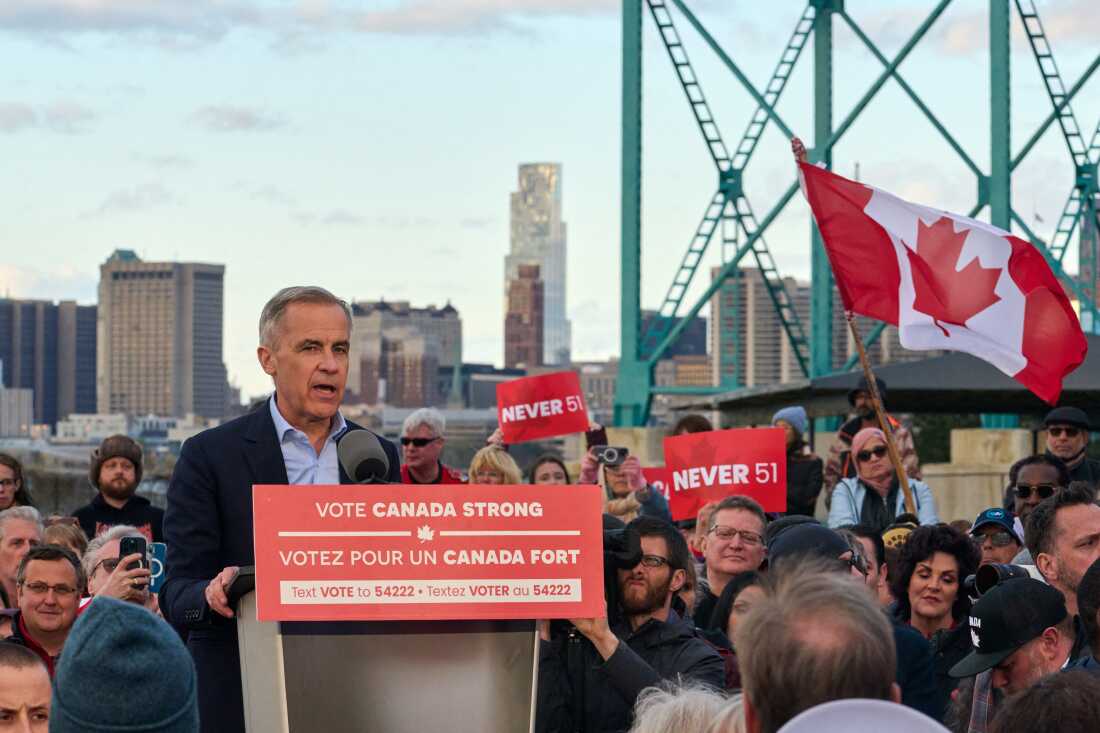
Canada’s resolute stance reframes water as a non-negotiable matter of survival, signaling to Washington that economic temptation cannot override sovereignty. Water rights define freedom, and Canada’s message is clear: its national independence will not be compromised.
This confrontation also marks a seismic shift in global resource politics. The future of international competition hinges not on oil fields or technology but on control over water—the fundamental element sustaining all life and industrial activity on Earth.
Canada’s freshwater advantage is immense. Its glaciers, lakes, and rivers span provinces, providing ecological services, supporting industries, and purifying ecosystems. These waters represent not just natural wealth but critical leverage in geopolitics and environmental stewardship worldwide.
For the United States, the challenge is profound: securing water supply without destabilizing alliances or igniting resource conflicts. Finding a balanced, respectful approach will test diplomatic skill against the backdrop of escalating climate threats and resource anxieties.
Canada must navigate protecting its resources while remaining open to future cooperation with the U.S. and other partners. The delicate balance will require vigilance, innovation, and a commitment to principles that prioritize long-term sustainability over short-term gains.
Every conversation between these two nations now echoes beyond commerce; it touches on the essence of partnership, sovereignty, and adaptation in a warming world where natural resource management will define geopolitical stability.
Experts warn this North American water dispute may presage global trends. Countries across Asia, Africa, and beyond are bracing for similar confrontations as populations surge and weather unpredictability drives competition over freshwater security.
The notion of “water wars,” once relegated to fictional dystopias, now shapes real policy. Control of rivers, aquifers, and lakes is emerging as a geopolitical battleground that could eclipse past conflicts over oil, minerals, or technology in scale and consequence.
This evolving saga transcends borders and politics. It represents a found ational shift—where the intersection of water and power rewrites international relations and challenges humanity to find new models of cooperation and stewardship for survival.
The stakes could not be higher. Water’s critical role in agriculture, industry, health, and ecology makes access essential to life itself. How Canada and the U.S. resolve this crisis will set precedents for managing the planet’s most precious resource amid a warming, uncertain future.
Observers worldwide are watching closely. North America’s water impasse could become a template for diplomacy, conflict, or coexistence as nations confront the intertwined challenges of climate change, resource scarcity, and geopolitical rivalry.
The next chapter will belong not to any one nation or leader but to all who depend on clean water for survival. It challenges humanity to redefine stewardship, sovereignty, and solidarity in an era when the future of life depends on managing water wisely and justly.