JUST IN: TRUMP’S 50% AIRCRAFT TARIFF BACKFIRES — CANADA’S BOMBARDIER SHUTS THE DOOR ON THE U.S. MARKET
Donald Trump’s latest trade threat against Canada has sent shockwaves through the global aviation industry, after he warned of a 50% tariff on Canadian-made aircraft and floated the idea of decertifying them from U.S. airspace. What was framed as a tough negotiating move quickly revealed deeper risks, exposing how fragile even the most tightly regulated industries become when politics enters the cockpit.
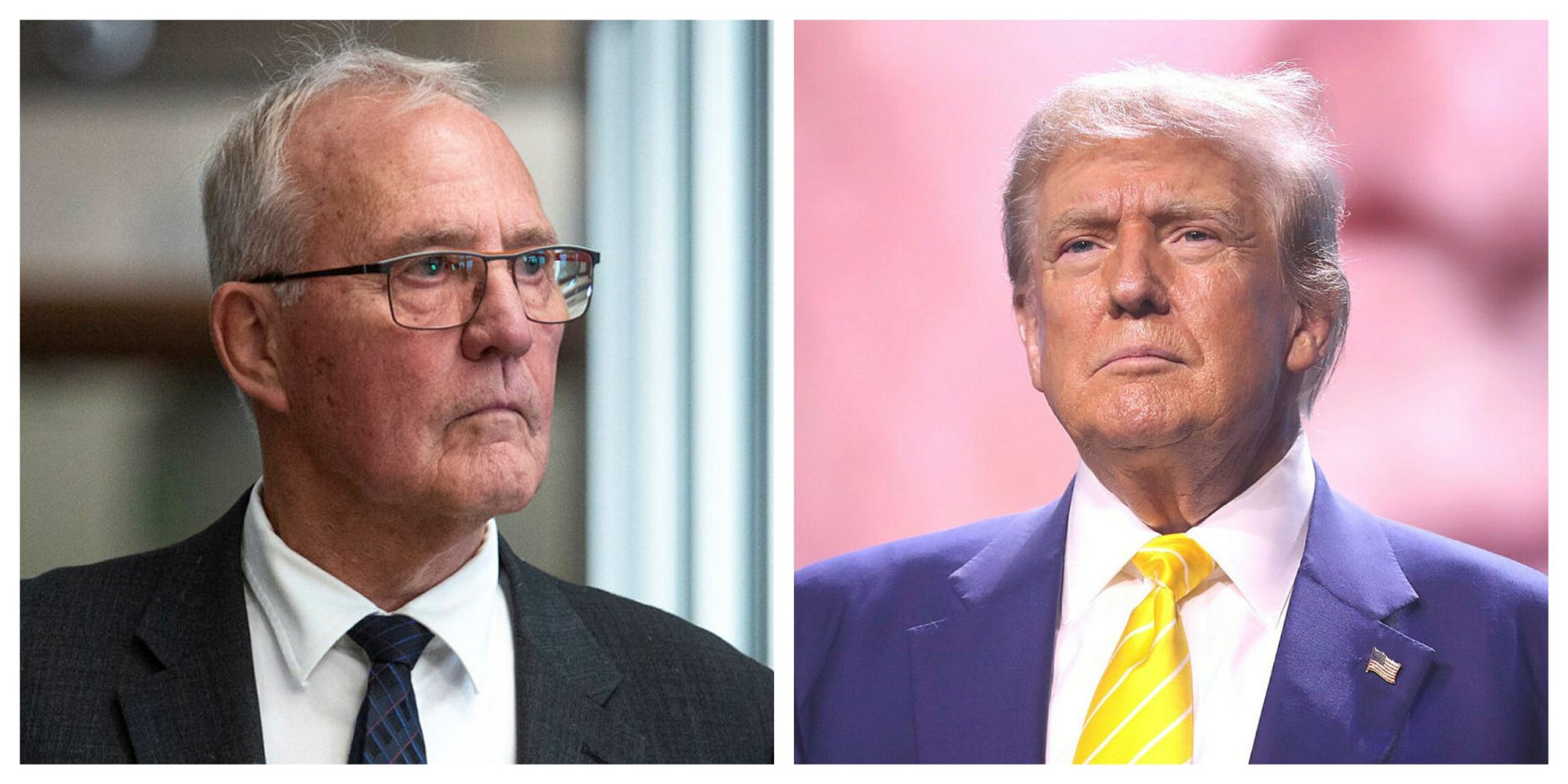
The confrontation began with a late-night social media post in which Trump accused Canada of unfairly blocking certification for several Gulfstream business jets while allowing Canadian aircraft free access to the U.S. market. In response, he threatened to decertify Canadian-made planes and impose sweeping tariffs unless Canada immediately approved the Gulfstream G500, G600, G700, and G800. The message was blunt, public, and designed to apply maximum pressure.
But aircraft certification is not a bargaining chip. It is a technical, safety-driven process governed by independent regulators, not political leaders. Aviation experts quickly pointed out that delays in certification are common and usually tied to data reviews, testing requirements, or temporary exemptions — not economic retaliation. In this case, Canada’s regulator had not completed its validation, even though U.S. approvals themselves came with conditional waivers related to cold-weather fuel icing rules.

The fallout was immediate. Canada is a major aerospace power, with more than 5,500 Canadian-built aircraft operating in the United States, including hundreds of Bombardier business jets used by airlines, corporations, and charter operators. Any disruption would ripple through flight schedules, maintenance networks, and supply chains almost overnight. Within hours, White House officials and FAA sources moved to reassure airlines that no grounded fleets were imminent, quietly walking back the most extreme implications of Trump’s threat.
Still, the damage was done. Analysts warned that weaponizing certification could fracture the global aviation system, which relies on mutual trust between regulators. If countries begin using safety approvals as leverage in trade disputes, international standards could splinter, creating uncertainty for manufacturers, airlines, pilots, and passengers alike. Memories of the Boeing 737 MAX crisis — when trust in certification collapsed with deadly consequences — loomed large.
The move also undercut Trump’s own economic argument. Bombardier is deeply embedded in the U.S. economy, operating service centers across the country, employing thousands of American workers, and running defense and maintenance operations in states like Kansas. Labor unions warned that escalating trade retaliation in aerospace would threaten jobs on both sides of the border, freezing orders and slowing investment long before any tariff took effect.

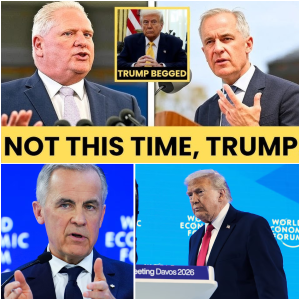
Behind the aviation dispute lies a broader breakdown in U.S.–Canada relations. Days earlier, Canadian Prime Minister Mark Carney warned that the U.S.-led global trade system was weakening and urged diversification away from overreliance on a single partner. Though he avoided naming Washington, the message landed hard. Trump responded with accusations, tariff threats, and symbolic snubs, turning aviation into yet another arena for political pressure.
In the end, Trump’s 50% aircraft tariff threat exposed more risk than leverage. Legal experts noted there is no clear authority for decertifying aircraft for economic reasons, and industry insiders saw no evidence that Gulfstream sales were suffering in Canada. What did suffer was confidence. Markets, regulators, and allies were reminded how quickly politics can destabilize systems built on safety, trust, and cooperation — and how easily a hardline threat can backfire when reality refuses to follow the script.