In a move that sent shockwaves through global diplomacy, Canadian Prime Minister Mark Carney issued a direct and unusually blunt warning to Donald Trump from a media briefing in Qatar. Addressing Trump’s reported threats to impose sweeping tariffs on European allies unless they supported a U.S. takeover of Greenland, Carney called the move what few leaders had dared to say out loud: an “escalation.” In diplomatic language, that word carries heavy weight. It signals that a line has been crossed — from pressure into provocation — and that the stability of the international order is at risk.
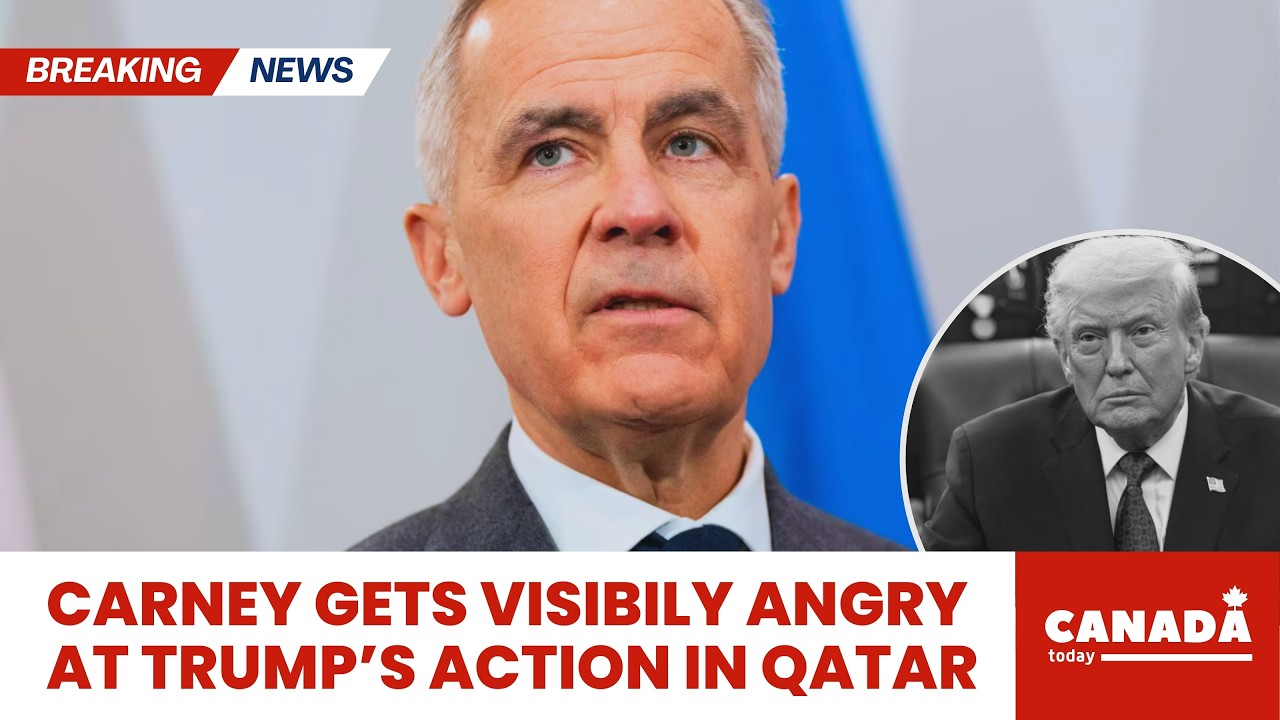
Carney’s choice of words was no accident. By labeling Trump’s tactics as escalation, Canada publicly rejected the normalization of economic coercion as a tool to rewrite borders. This was not a routine disagreement over trade. It was a principled stand on sovereignty. Carney made it clear that Greenland’s future belongs solely to the people of Greenland and Denmark, not to Washington, and that no territory can be forced into a deal through threats and tariffs. It was a clean break from the cautious language many allies have used when confronting Trump.
More important than the words themselves was the alignment behind them. Carney confirmed that Canada has been coordinating with European and Nordic partners, NATO leadership, and Greenland’s prime minister on security issues. By framing Greenland within NATO’s collective security framework, Canada effectively locked arms with its allies. Trump is no longer facing isolated criticism. He is facing a coordinated front willing to say publicly that his methods are destabilizing and unacceptable.
This moment did not happen in isolation. In Qatar, Carney also secured major strategic investment commitments across infrastructure, energy, defense cooperation, and artificial intelligence. Coming just days after renewed engagement with China, the message was unmistakable: Canada is diversifying its global partnerships. With Europe on sovereignty, China on trade, and Qatar on capital, Ottawa is building a multilateral network that reduces its vulnerability to U.S. pressure. That backing gives Carney’s words real weight.
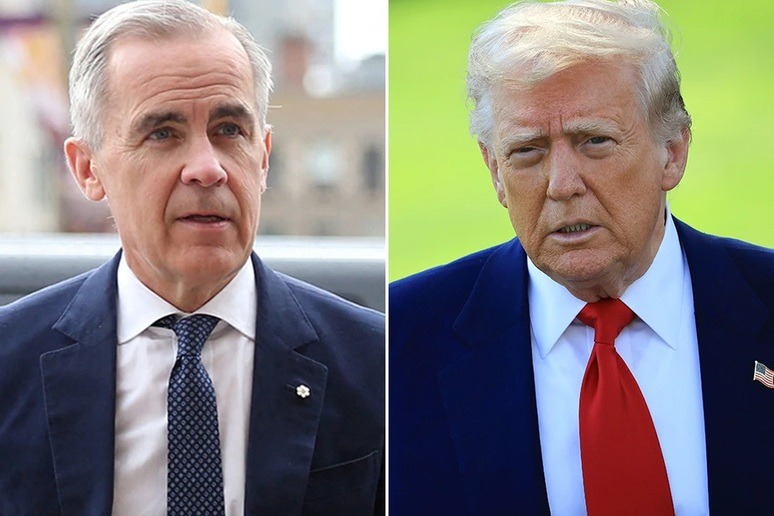
Trump has long relied on bilateral pressure — isolating one country at a time. Carney is changing the geometry of power by creating multilateral gravity. When allies coordinate, threats lose effectiveness. The concern in Washington is not that Canada disagrees, but that Canada may no longer need to accommodate. This is the deeper shift: American influence weakens not because allies turn against the United States, but because they push back against Trump’s unpredictability.
By calling Trump’s Greenland strategy an escalation, Mark Carney did more than answer a reporter’s question. He drew a line. Canada is no longer treating coercive diplomacy as normal behavior. It is signaling that sovereignty is not for sale and that economic blackmail will be met with collective resistance. In a volatile geopolitical moment, this stance positions Canada as a serious, stable partner — and marks a turning point where silence has ended and alignment has begun.