The latest round of U.S. tariffs was meant to pressure allies and protect American industry. Instead, it has triggered one of the most dramatic economic reversals in years. As Washington escalated trade barriers, Canadian policymakers and consumers responded with a coordinated shift away from U.S. vehicles — and the consequences are now coming into focus. Analysts estimate that the resulting auto boycott and supply-chain disruption could cost the American auto sector up to $90 billion, while Canada emerges with new leverage and fresh industrial momentum.

What makes this moment striking is not only the scale of the losses, but the speed. Tariffs were imposed to force compliance, yet they immediately raised production costs for U.S. manufacturers that rely on cross-border parts. North America’s auto industry is deeply integrated: engines, transmissions, electronics, and final assembly cross the border multiple times. When tariffs hit, they did not isolate Canada — they boomeranged back into American factories, inflating prices and eroding competitiveness almost overnight.
Canada, meanwhile, adapted faster than expected. Government officials and industry leaders accelerated diversification plans that had been developing quietly for years. Automakers increased sourcing from Europe and Asia, while Canadian consumers shifted toward non-U.S. brands in response to rising sticker prices and political uncertainty. What began as a defensive reaction has turned into a structural change, weakening U.S. market share in one of its most important export sectors.
The $90 billion figure reflects more than lost sales. It includes higher input costs, delayed investments, reduced exports, and shrinking margins across U.S. manufacturers and suppliers. Plants built on just-in-time cross-border logistics now face friction at every stage. Each additional cost compounds through the supply chain, turning a policy tool into a systemic drag. Instead of strengthening American industry, tariffs are hollowing out its competitive position.
Canada’s position looks increasingly strategic. By redirecting trade flows and strengthening partnerships beyond the United States, Ottawa has reduced its vulnerability to political shocks. The auto sector is following a broader pattern: diversify markets, secure alternative supply chains, and expand economic room to maneuver. What was once framed as dependence is now being recalibrated into resilience.
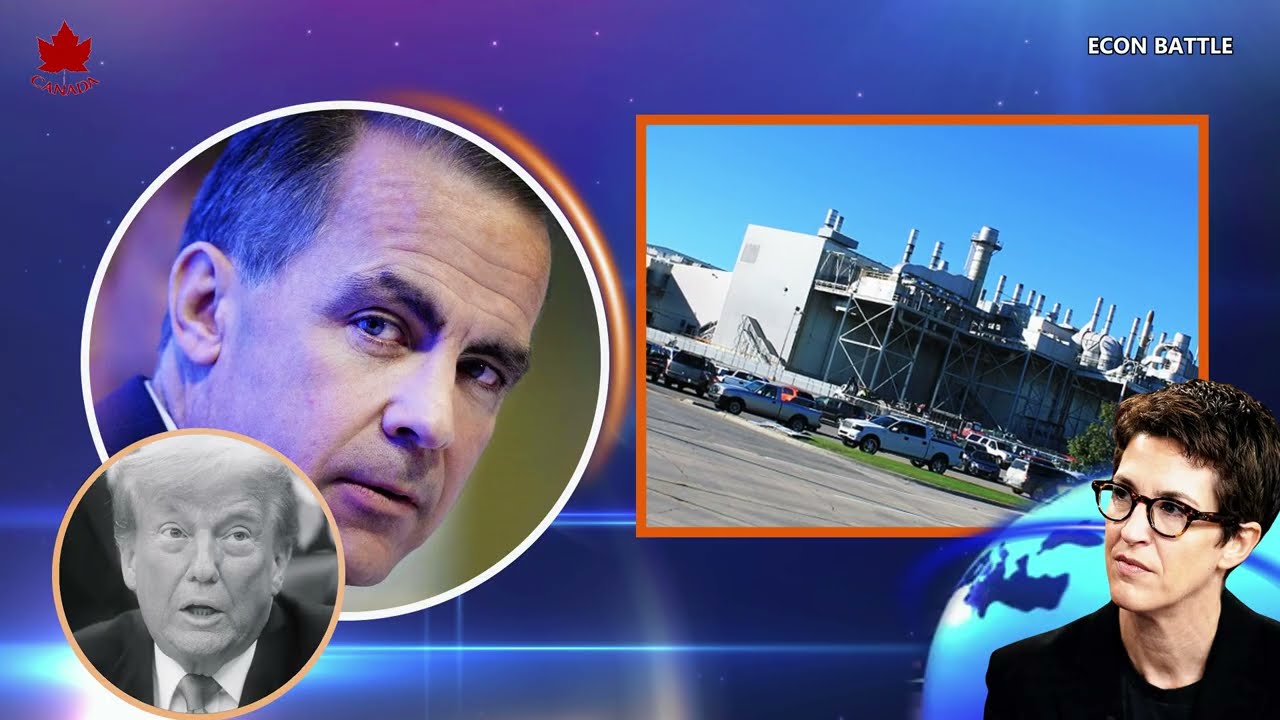
For Washington, the episode underscores a hard truth of modern trade wars: in a tightly interconnected economy, there are no clean victories. Pressure tactics rarely remain contained. They spill across borders, hit domestic industries, and reshape behavior in ways that are difficult to reverse. Once companies retool supply chains, they rarely snap back to old patterns.
The deeper shift is geopolitical as much as economic. Middle powers like Canada are learning that survival does not mean choosing sides — it means multiplying options. By absorbing the shock and turning it into opportunity, Canada has shown how quiet adaptation can outperform loud confrontation. In the end, the tariffs designed to assert dominance may be remembered for something else entirely: accelerating the very diversification they sought to prevent.