Viral Claims of a Trump Tower Seizure Ignite Political Firestorm — but Key Facts Remain Unclear
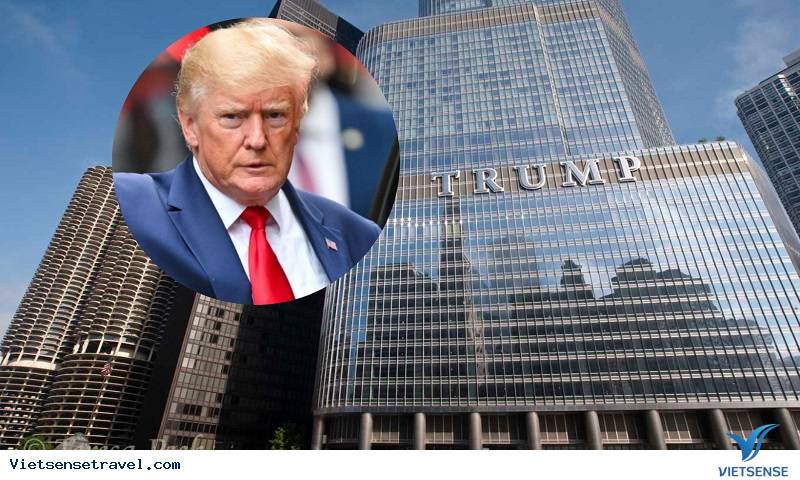
NEW YORK — A wave of dramatic claims surged across American social media this week, asserting that a federal judge had ordered the immediate seizure of Trump Tower to satisfy a civil fraud judgment exceeding $500 million. The allegations, amplified by prominent political influencers and MAGA-aligned accounts, set off a cascade of panic, fundraising appeals and emergency meetings among Donald J. Trump’s allies.
Yet as the story ricocheted across platforms like X, Truth Social and YouTube, legal experts and court officials urged caution, warning that many of the most explosive assertions remain unverified — and, in some cases, legally implausible.
The episode underscores the volatile intersection of Trump’s legal troubles, a hyper-charged election cycle and an online media ecosystem where rumor can rapidly outpace fact.
The Origin of the Claims
The seizure narrative appears to have originated late Tuesday afternoon, when several high-profile political commentators claimed that Judge Arthur F. Engoron — who presided over New York’s civil fraud case against Mr. Trump — had issued an enforcement order authorizing federal marshals to take control of Trump Tower.
Within hours, the claim had been reposted tens of thousands of times. Headlines on YouTube and TikTok declared “Trump Tower Seized” and “Federal Marshals Move In,” while livestream hosts described a ticking countdown until padlocks would appear on Fifth Avenue.
Mr. Trump himself fueled the frenzy. In a flurry of posts on Truth Social, he accused the judiciary of “economic terrorism,” labeled New York Attorney General Letitia James “corrupt and racist,” and urged supporters to donate to what he called an emergency legal defense fund.
“I need your help more than ever,” one fundraising email read, according to copies shared online. “They want to steal Trump Tower.”
What Is Actually Known
What is verified is that Mr. Trump was found liable in a New York civil fraud case brought by Ms. James, who accused him and his company of systematically inflating asset values to secure favorable loans and insurance terms. Judge Engoron imposed a judgment of $355 million, with interest accruing daily.
Under New York law, defendants seeking to appeal such judgments must post a bond — often exceeding the judgment itself — to delay collection while appellate courts review the case. Mr. Trump’s lawyers have publicly acknowledged difficulty securing such a bond, citing reluctance from major insurers.
What has not been publicly confirmed is any court order authorizing the immediate seizure of Trump Tower, or the involvement of federal marshals in enforcing a state civil judgment. Enforcement actions in New York typically proceed through state mechanisms, often gradually, and usually only after extensive post-judgment litigation.
“There is a very big difference between a judgment creditor having the right to pursue enforcement and an iconic building being padlocked overnight,” said Jessica Levinson, a professor at Loyola Law School. “The latter would be extraordinary and almost certainly preceded by clear, public filings.”
Court dockets reviewed Wednesday showed no publicly posted order directing the seizure of Trump Tower.
Why the Story Spread So Fast
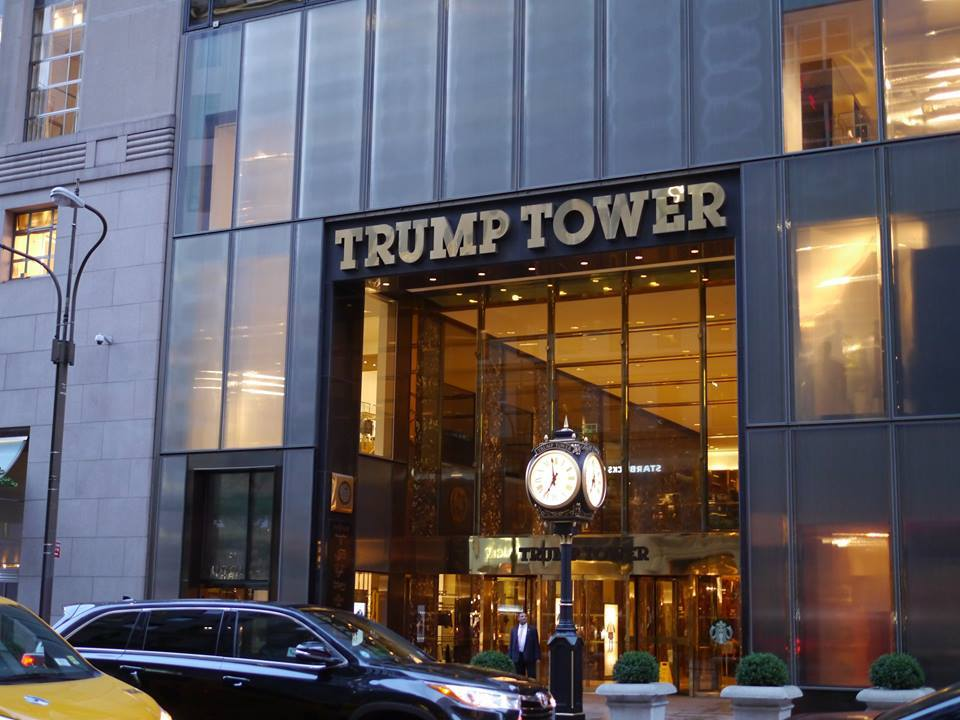
The idea of Trump Tower being seized carries enormous symbolic weight. For decades, the skyscraper has served not only as a business asset but as a political emblem — the literal tower bearing Mr. Trump’s name.
“This is red-meat content,” said Renée DiResta, a researcher who studies online political misinformation. “It combines legal peril, elite punishment, and visual drama. Even if it’s speculative, it spreads because it feels narratively satisfying to people on both sides.”
Several viral posts cited unnamed “sources close to enforcement proceedings” or “leaked transcripts,” but none provided documents. Others conflated potential legal outcomes — such as the appointment of a receiver — with immediate physical seizure.
A court-appointed receiver, if ever approved, would oversee finances and operations, not necessarily remove tenants or shutter the building.
Political Fallout and GOP Anxiety
Despite the uncertainty, the political reaction was real and immediate.
Republican strategists privately expressed concern that the viral claims, true or not, reinforce an image of Mr. Trump as embattled and unstable at a critical moment in the 2024 race. Several donors, according to people familiar with the calls, sought reassurances that campaign funds would not be entangled in civil enforcement actions.
On Capitol Hill, some of Mr. Trump’s allies went further. One House Republican floated legislation to limit funding for federal enforcement agencies — a proposal widely dismissed as symbolic.
“This shows how quickly misinformation can shape political behavior,” said Brendan Nyhan, a political scientist at Dartmouth. “Leaders start responding to a narrative before they’ve confirmed whether it’s even real.”
The Legal Reality Ahead
Even without the dramatic seizure scenario, Mr. Trump faces genuine legal and financial pressure. Interest on the civil fraud judgment continues to accrue. Appeals are costly and uncertain. And the bond requirement remains a significant hurdle.
If Mr. Trump ultimately fails to secure a bond or negotiate terms, New York authorities could seek enforcement against assets — a process that can include liens, asset freezes or, in extreme cases, court supervision.
But experts emphasize that such steps unfold over months, not hours, and involve extensive judicial oversight.
“There is no secret switch that gets flipped where marshals storm in,” said John Coffee, a professor at Columbia Law School. “That’s not how civil enforcement works, especially for assets this complex.”
A Broader Lesson
The Trump Tower seizure saga — real or imagined — illustrates a broader truth about modern American politics: legal processes now play out in real time on social media, where speculation often becomes belief before facts are established.
For Mr. Trump, that dynamic cuts both ways. Claims of persecution energize his base and open donation spigots. But they also normalize the idea that his business empire is under existential threat — an image that may unsettle swing voters and institutional supporters.
As of Wednesday evening, no court official had confirmed any order to seize Trump Tower. Still, the intensity of the reaction suggests that, in today’s political climate, the perception of consequences can be nearly as powerful as the consequences themselves.
Whether the viral claims fade or harden into political orthodoxy may depend less on court filings than on what Mr. Trump says next — and how loudly the internet listens.