Tensions Erupt in Minneapolis as Protests Confront Federal Agents After Deadly Shooting
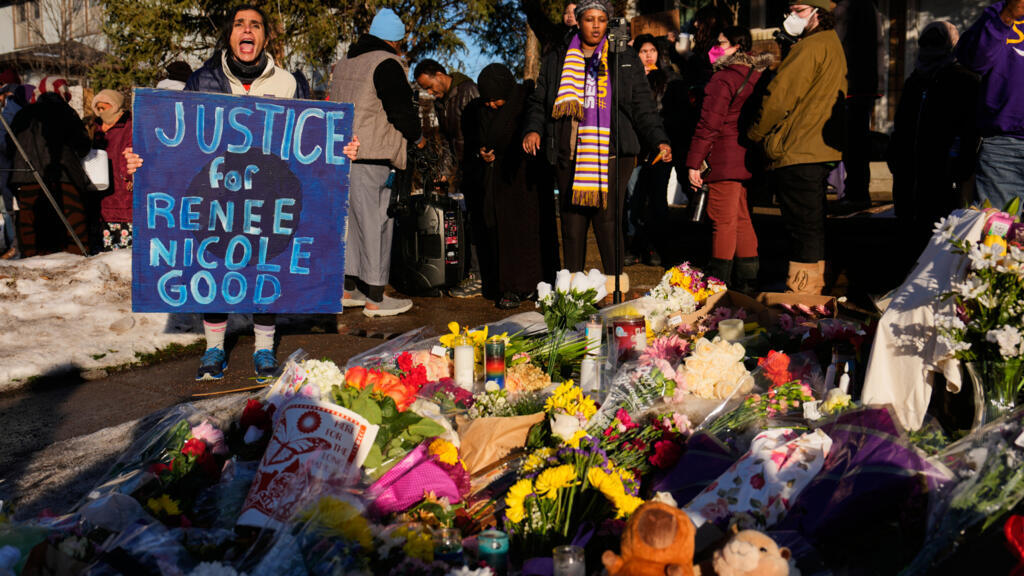
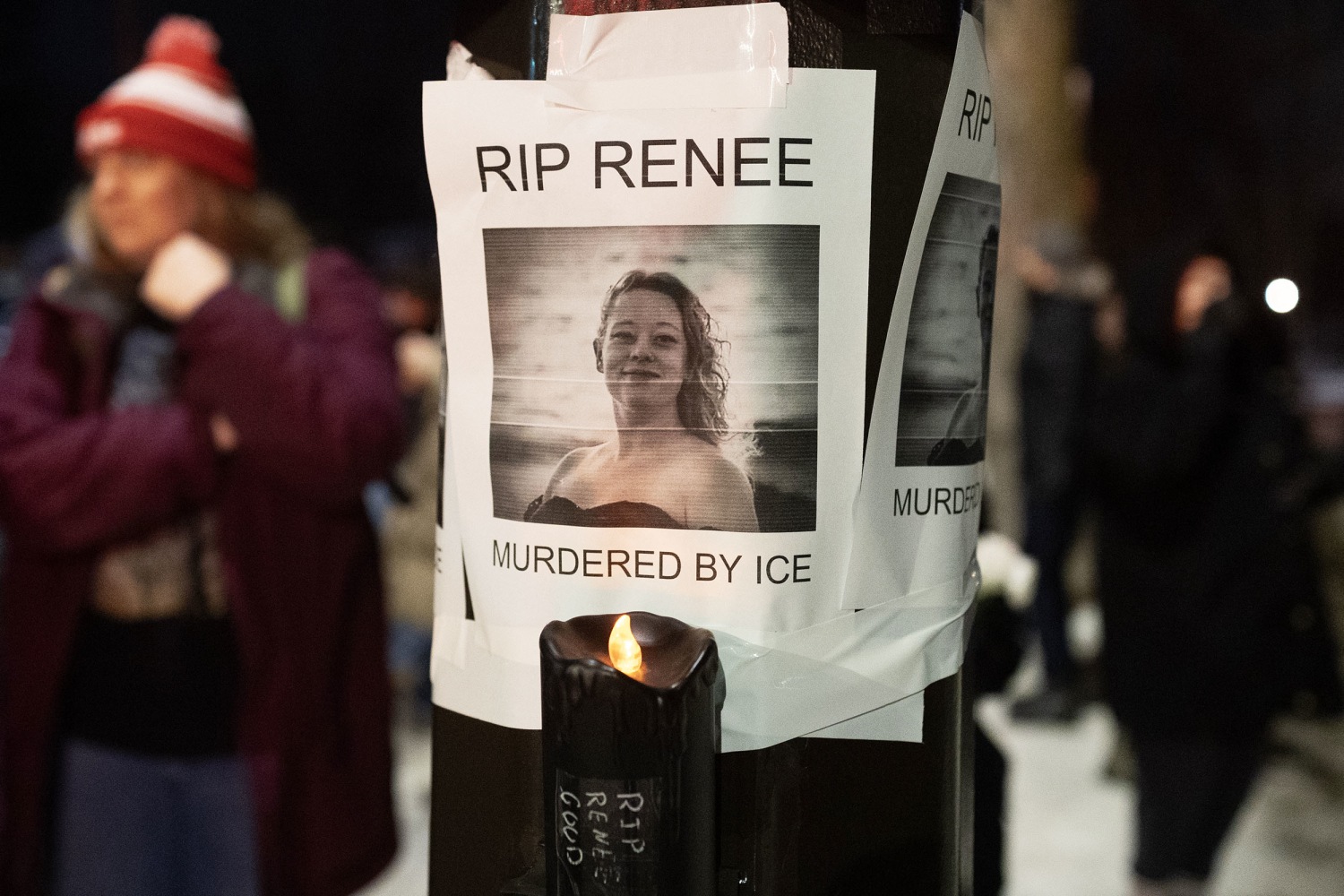
Minneapolis — What began as another night of protest in Minneapolis following the fatal shooting of Renee Nicole Good escalated into chaos as demonstrators clashed with federal immigration agents, prompting the use of tear gas, flashbangs, and crowd-control munitions in a confrontation that stretched for hours and underscored deepening anger over federal enforcement tactics under the Trump administration.
Shortly before midnight, crowds gathered near the intersection of 23rd Street and Lindale Avenue, an area just minutes from downtown. Protesters shouted at officers believed to be Immigration and Customs Enforcement agents, chanting for them to leave the neighborhood. Videos livestreamed on Facebook, X, TikTok, and Instagram showed agents in tactical gear forming a line as demonstrators blew whistles, screamed, and surrounded them from multiple directions.
Journalists on the scene described a volatile environment. Tear gas canisters were deployed repeatedly, filling the air with smoke and forcing reporters and demonstrators alike to retreat, regroup, and scatter. At least one canister ricocheted into the press area, temporarily separating camera crews amid the confusion.
The Minneapolis Police Department confirmed late Wednesday that it had received reports of a shooting involving federal law enforcement in North Minneapolis earlier in the evening. As of early Thursday morning, officials had not released details about who was injured or the circumstances surrounding the incident. Mayor Jacob Frey amplified the city’s statement on social media but declined to provide further comment pending an investigation.
The confrontation followed days of protests after Ms. Good was shot and killed by a federal agent during what the Department of Homeland Security described as an “active enforcement operation.” DHS officials have said the agent involved acted in self-defense, though they have not released body-camera footage or additional evidence. Civil rights groups and local activists have disputed that account, demanding transparency and an independent investigation.
On the ground Wednesday night, protesters said they were responding not only to the shooting itself but to what they see as a pattern of aggressive federal activity in immigrant communities.
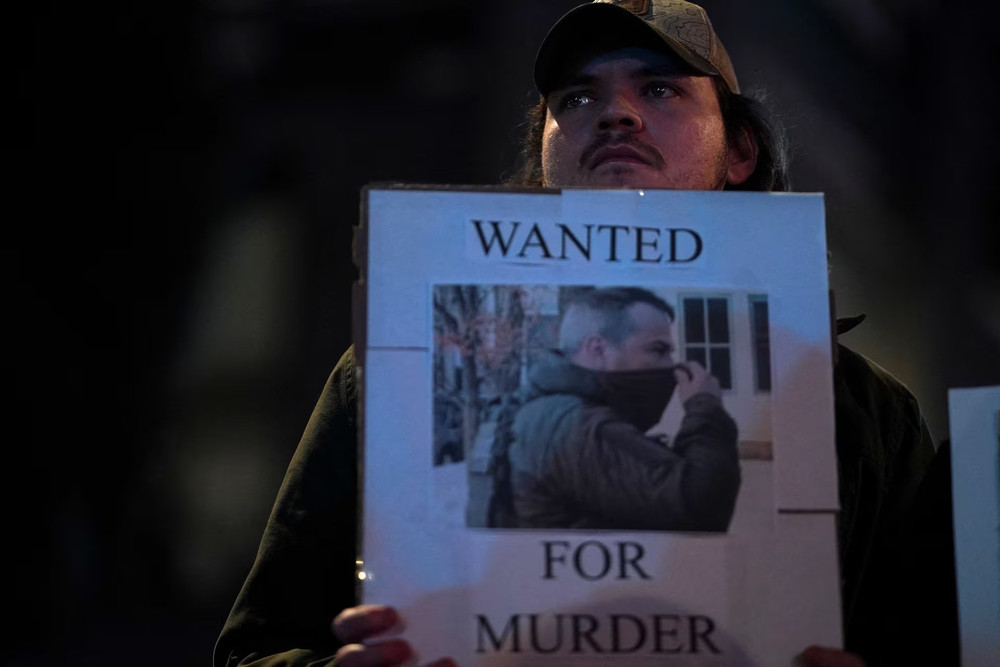
“I came because people are scared to leave their homes,” said Pearla, a St. Paul resident who traveled to Minneapolis after seeing live videos shared on Facebook. “This is about speaking up for people who can’t. Raids are happening. People are being followed. And when we protest, we’re met with weapons.”
Her account echoed hundreds of similar posts circulating online, where users described unmarked vehicles, sudden arrests, and agents operating in residential neighborhoods. While some of those claims remain unverified, the volume and consistency of the reports have fueled public outrage and drawn national attention.
Video footage reviewed by multiple outlets shows protesters pushing federal agents back at least one block, forcing them to retreat behind vehicles and police tape. Agents responded by firing pepper balls and deploying flashbangs, producing loud explosions that echoed through the neighborhood and sent clouds of smoke drifting across the street.
Several individuals wearing helmets and reflective vests moved through the crowd offering assistance, identifying themselves as volunteer or “civilian” medics — a presence increasingly common at protests where tear gas and crowd-control weapons are expected.
Federal officials have not said why agents remained in the area hours after the initial reported shooting. Some protesters believe enforcement operations were continuing; others suspect agents were securing the scene or investigating the earlier incident. Local law enforcement vehicles were also observed arriving at the location, though it remained unclear how responsibilities were divided between city police and federal officers.
The protests in Minneapolis are part of a broader national response. Demonstrations have been reported in Chicago, Los Angeles, New York, and Phoenix, according to organizers and social media footage. Hashtags calling for justice for Renee Good and for the abolition of ICE trended intermittently throughout the week on X and TikTok, where videos of confrontations between agents and civilians have drawn millions of views.
Legal experts note that while ICE operates under federal authority, its actions in local communities often test the boundaries between federal enforcement and constitutional protections.
“Crowd control becomes particularly fraught when it involves federal agents conducting civil immigration enforcement,” said a former Justice Department official who spoke on condition of anonymity. “The optics are dangerous, and the risk of escalation is high — especially when trust has already eroded.”
That erosion was evident Wednesday night. Protesters repeatedly accused agents of provoking confrontation and of using force to suppress constitutionally protected speech. Some demonstrators drew direct connections between the tactics on display and broader political rhetoric emanating from Washington.
“This didn’t happen by accident,” said one protester, who declined to give a name, during a livestream shared widely on Instagram. “Peaceful protest isn’t what they want. This was baked in from the beginning.”
The White House has defended its immigration enforcement strategy, arguing that federal agents face increasing hostility and must protect themselves in volatile environments. In statements earlier this week, administration officials warned that confrontations at protests could endanger both officers and civilians.
Civil liberties advocates counter that such framing shifts responsibility away from agents and discourages lawful protest.
“When officials suggest that exercising First Amendment rights puts civilians at risk of being harmed by law enforcement, that’s deeply troubling,” said an attorney with the American Civil Liberties Union of Minnesota. “Accountability does not disappear because an agent wears a federal badge.”
As the night wore on, the scene in Minneapolis showed no sign of calming. Flashbangs continued to detonate intermittently, and demonstrators remained clustered behind police lines, chanting and filming every movement.
By early morning, officials still had not released additional details about the reported shooting involving federal agents, leaving residents with more questions than answers.
For many in Minneapolis, the uncertainty has only intensified anger — and determination.
“This isn’t going to stop on its own,” Pearla said as the crowd swelled behind her. “People are watching now. And people aren’t backing down.”