Senior Federal Prosecutors in Minnesota Resign After Pressure to Investigate Widow of ICE Shooting Victim
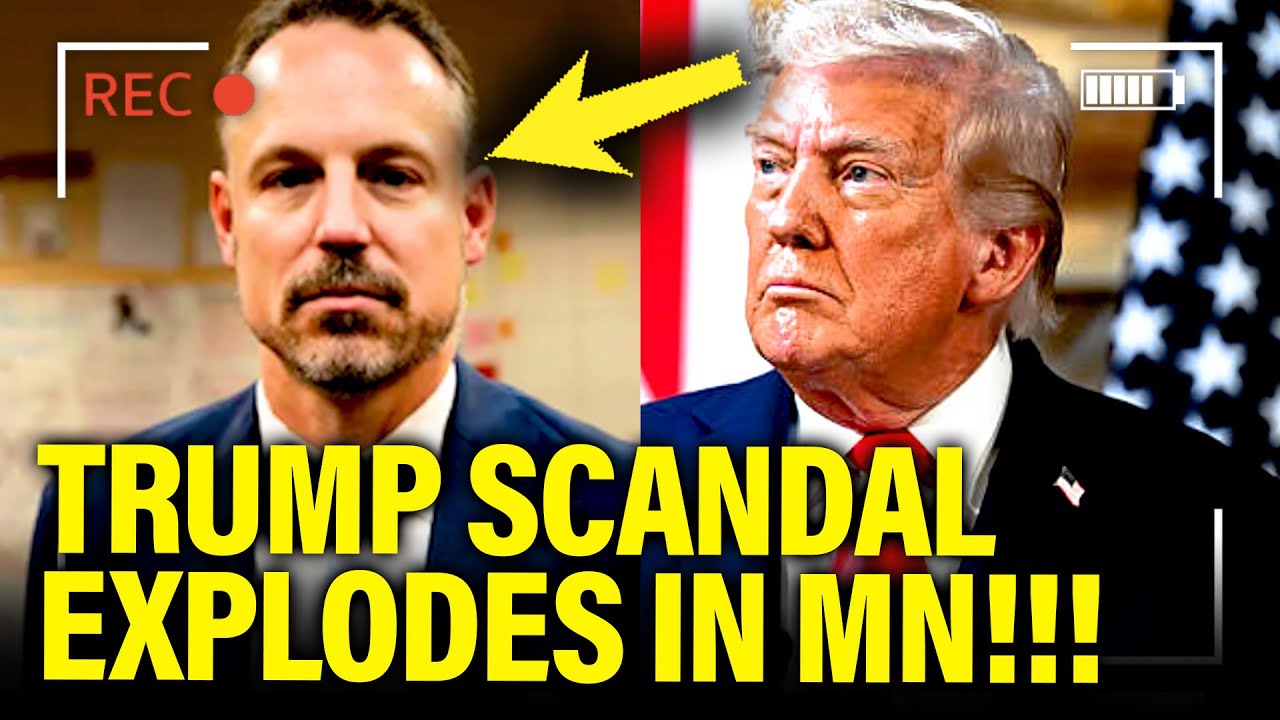
Washington / Minneapolis — Three senior federal prosecutors in the U.S. Attorney’s Office for the District of Minnesota have resigned in recent days, triggering renewed controversy over the Trump administration’s handling of immigration enforcement, civil liberties, and the independence of the Department of Justice.
Those departing include Joe Thompson, the acting U.S. attorney and a longtime career prosecutor who led major fraud investigations, along with two senior deputies, Harry Jacobs and Melinda Williams. According to multiple legal commentators and media reports circulating widely in American political and legal circles, the resignations followed pressure from the Department of Justice to open a criminal investigation into Becca Good, the widow of Renee Good, a U.S. citizen who was fatally shot during an encounter with an ICE agent earlier this year.
The Department of Justice declined to comment on the resignations or on internal deliberations.
A death that sparked national scrutiny
Renee Good was killed during what her family and supporters describe as a peaceful act of observation and protest against immigration enforcement activity in Minnesota. Video and eyewitness accounts, widely shared online, show Good and her wife engaging in conduct supporters argue was protected under the First Amendment.
Federal authorities have not released a final determination regarding the ICE agent’s actions. No federal civil rights charges have been announced.
Instead, according to critics, attention from Washington shifted toward examining Becca Good’s background, including her personal relationships, political activism, and whether the couple’s presence at the scene was part of a broader, organized protest network.
Supporters of the family have described this shift as an effort to deflect scrutiny from federal law enforcement conduct by placing the victim’s widow under investigation during her period of mourning.
Joe Thompson and the limits of prosecutorial discretion

Joe Thompson is widely regarded in Minnesota legal circles as a respected career prosecutor with decades of service. He previously led high-profile fraud cases involving Medicaid and welfare programs, including prosecutions of individuals accused of exploiting Minnesota’s social services systems.
In prior public statements, Thompson emphasized that the role of federal prosecutors is to follow evidence and law, not political directives. According to legal analysts on platforms such as Legal AF and Midas Touch Network, Thompson resisted efforts to criminally investigate Becca Good absent specific evidence of wrongdoing.
Multiple commentators have suggested that Thompson viewed the directive as inconsistent with Department of Justice policies and prosecutorial ethics. His resignation, followed immediately by the departure of two senior deputies, is seen by many observers as an extraordinary rebuke of political interference.
Broader turmoil inside the Department of Justice
The Minnesota resignations come amid broader instability within the Department of Justice. Legal analysts have pointed to what they describe as an erosion of institutional independence, marked by personnel departures, internal power struggles, and concerns over politicization.
Particular attention has focused on the Department’s Civil Rights Division, which has not announced a federal investigation into whether the ICE agent involved in Renee Good’s death violated civil rights statutes. Critics argue that career attorneys within the division sought to pursue such an inquiry but were blocked by senior leadership.
The Department of Justice has not publicly addressed these allegations.
Minnesota fights back in court
In response, Minnesota Attorney General Keith Ellison has filed a federal lawsuit against the Department of Homeland Security and related agencies. The suit seeks declaratory and injunctive relief to curb ICE enforcement practices in the state.
The complaint alleges that federal agents have engaged in unconstitutional conduct, including warrantless stops, excessive use of force, intimidation of peaceful demonstrators, and immigration enforcement actions far from any international border. It further argues that the federal government’s actions violate the Tenth Amendment by intruding on state sovereignty.
The lawsuit also seeks to require ICE agents to display visible identification, wear body cameras, and refrain from dispersing First Amendment–protected assemblies through force or threats.
Federal officials have not yet responded substantively in court. The case remains in its early stages.
A test of the rule of law

For many observers, the resignations in Minnesota represent more than a staffing dispute. They underscore a growing national debate over whether the justice system is being used to suppress dissent and shield federal agencies from accountability.
In a public statement, Becca Good described her late wife as “pure love, pure joy, pure sunshine,” and said the couple stopped that day simply to support their neighbors. “We had whistles,” she wrote. “They had guns.”
Renee Good left behind three children, including a six-year-old son.
Ultimately, federal courts will determine whether constitutional violations occurred and whether federal agencies exceeded their authority. But for now, the departure of seasoned prosecutors like Joe Thompson has become a powerful symbol of a Justice Department under strain — and of deepening questions about the balance between law enforcement, political power, and civil liberties in the United States.