The Venezuela Crisis and a Dangerous Turning Point for American Economic Power
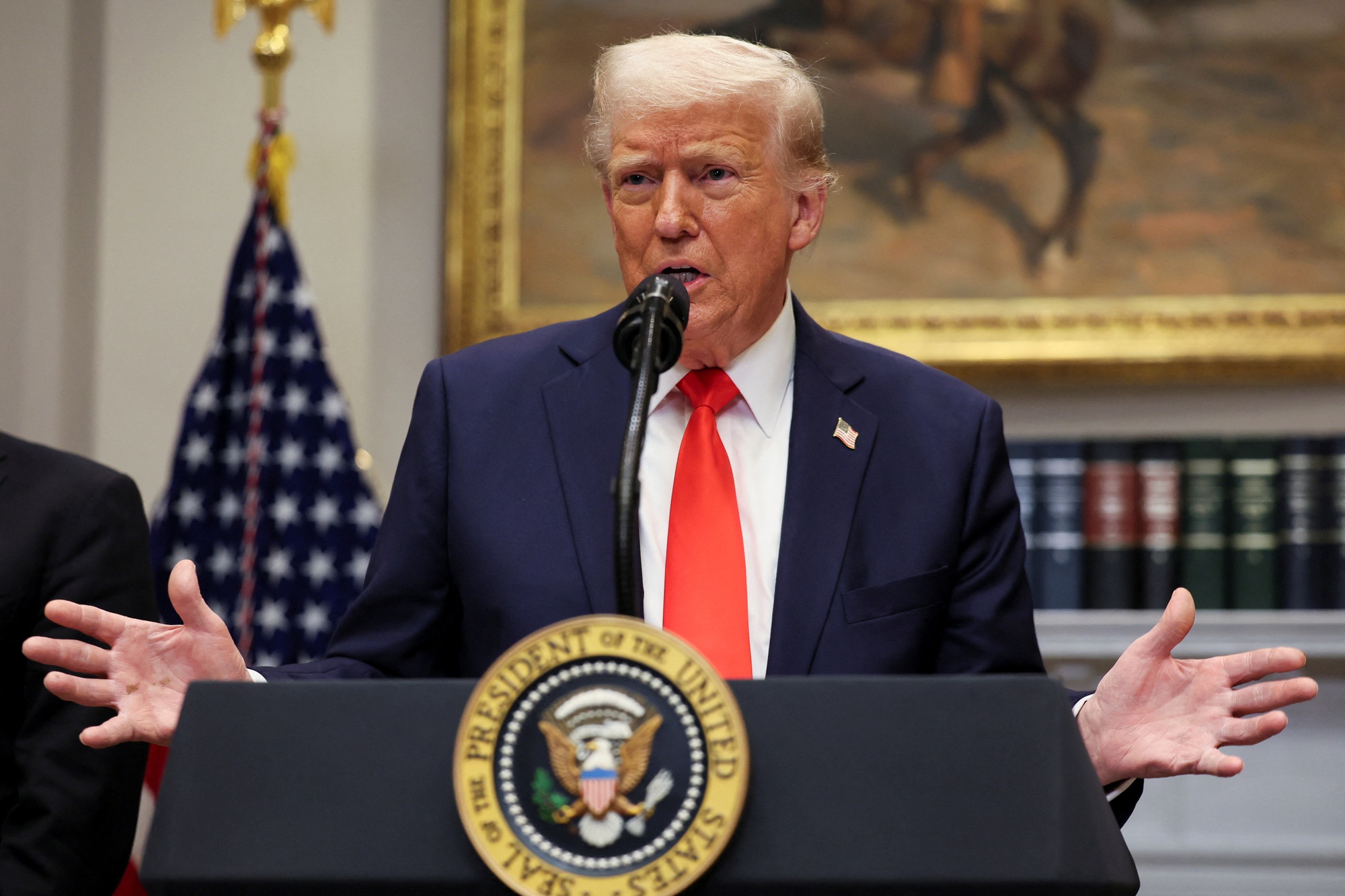
Washington — As the Trump administration enters the second year of its renewed term, the consequences of its most controversial foreign policy decisions are spreading far beyond politics. The alleged U.S. seizure of Venezuelan President Nicolás Maduro—an act widely described by international law experts as a grave violation of national sovereignty—has not only shaken the global diplomatic order but may also mark a dangerous inflection point for America’s long-standing economic dominance.
For decades, U.S. global power has rested not merely on military strength, but on the unrivaled role of the U.S. dollar in international trade, particularly in energy markets. Yet a series of developments unfolding from late 2025 into early 2026 are now threatening that foundation.
Tariffs, Executive Power, and a Constitutional Stress Test
Running parallel to the Venezuela crisis, the Trump administration has continued expanding unilateral tariffs under the International Emergency Economic Powers Act (IEEPA) of 1977, citing the fentanyl crisis as justification. Lower courts have rejected this reasoning, arguing that sweeping global tariffs cannot plausibly be justified by a domestic public health emergency.
The Supreme Court has yet to issue a final ruling, but its delay has effectively granted the administration time to seek alternative legal pathways—either by repurposing older trade statutes or attempting retroactive authorization through Congress. That effort, however, faces resistance from lawmakers in agricultural states, where retaliatory tariffs have hit hardest.
Meanwhile, U.S. businesses are grappling with higher import costs, compressed margins, and persistent inflation—quietly eroding American competitiveness.
The Trade Deficit: A Troubling “Victory”
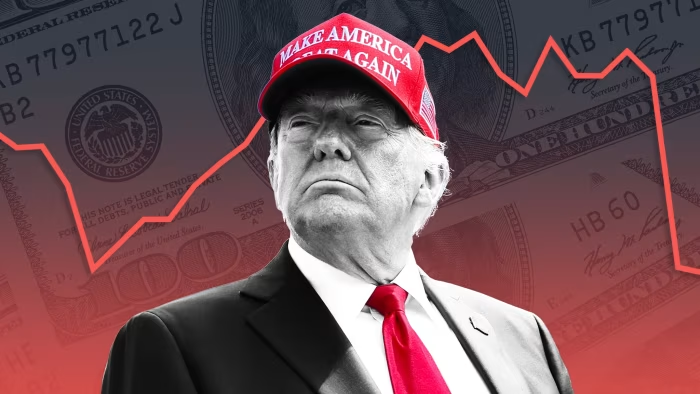
The administration has celebrated a sharp decline in the U.S. trade deficit in late 2025 as proof of policy success. Economists caution, however, that the improvement reflects not sustainable growth, but reduced imports driven by a weakening dollar, which has made foreign goods more expensive for American consumers.
More tellingly, the fastest-growing U.S. export was not manufactured goods or advanced technology, but gold—suggesting foreign investors are seeking safe havens amid rising geopolitical and financial uncertainty.
BRICS, Digital Currency, and the Challenge to the Dollar
At the same time, a new financial architecture is taking shape outside the United States. The BRICS bloc—Brazil, Russia, India, China, and South Africa, along with an expanding group of partner nations—has unveiled plans for a “BRICS Unit,” a digital settlement instrument partially backed by gold and partially by a basket of member currencies.
The goal is not immediate replacement of the dollar, but the creation of a parallel settlement system, particularly for energy trade. India and China, the two largest buyers of Venezuelan crude, have rapidly expanded domestic digital payment systems, laying the groundwork for reduced reliance on dollar-based infrastructure.
Venezuela and the Petro-Dollar System
For years, Venezuelan oil has continued to trade globally despite U.S. sanctions, often in alternative currencies or at steep discounts. Analysts argue that Washington’s direct intervention in Venezuela is less about seizing resources than addressing a deeper concern: the gradual erosion of dollar demand in energy transactions.
Roughly $9 trillion in U.S. Treasury debt must be refinanced in 2026. Maintaining global demand for dollars is therefore a critical priority for Washington. Any weakening of the petro-dollar system could raise borrowing costs and destabilize financial markets.
A Crisis of Trust
The alleged detention of a foreign head of state has prompted even long-standing U.S. allies to question Washington’s reliability. In response, major trade agreements—such as the European Union–Mercosur pact—are advancing more rapidly, reflecting a desire among major economies to diversify partnerships and reduce exposure to U.S. political risk.
Experts warn that the combination of punitive tariffs, controversial military actions, and the absence of a coherent industrial strategy risks pushing the United States into a self-reinforcing cycle of decline—where the dollar’s dominance erodes, growth slows, and global influence contracts.
Conclusion
History suggests that economic hegemony rarely collapses overnight. But current trends indicate the United States may be accelerating a process that would otherwise have taken decades. The Venezuela crisis, rather than reinforcing American power, may come to symbolize the moment when the world began seriously preparing for a post-dollar economic order.