In a stunning economic and geopolitical shift that has reverberated across North America, Canada has executed a bold strategic pivot in its agricultural trade, effectively sidelining the United States from a projected $780 billion corridor of grain, fertilizer and related commodities over the coming decade. The move, centered on the revival of the long-dormant Port of Churchill in Manitoba’s Arctic reaches, represents one of the most significant realignments in continental supply chains in generations — a direct response to escalating trade pressures from Washington that, rather than compelling concessions, have accelerated Ottawa’s drive for economic sovereignty.

A Tariff Threat That Backfired
The catalyst traces back to President Donald J. Trump’s aggressive tariff proposals in late 2025, which targeted Canadian agricultural exports including grain and, crucially, fertilizers such as potash — a resource where Canada dominates global production with roughly 32 percent of output and over 40 percent of exports. Trump’s rhetoric framed these measures as necessary to bolster domestic U.S. production and reduce reliance on foreign inputs essential for American farmers. Yet the threats, which included potential levies as high as 25 percent on grain and severe restrictions on fertilizer flows, exposed a long-standing vulnerability in Canada’s trade architecture.
For decades, vast quantities of prairie-grown wheat, canola, barley and specialty crops — along with Saskatchewan-mined potash and emerging nitrogen fertilizer production — had funneled southward through American rail networks, terminals and ports before reaching international buyers in Europe, Asia and beyond. This dependency generated billions in fees, rail charges and logistics premiums for U.S. companies, even as Canadian producers bore the costs and risks. The arrangement, once tolerated as an unavoidable inefficiency, suddenly appeared as a strategic liability when political winds shifted south of the border.
The Arctic Awakening: Port of Churchill’s Revival
Prime Minister Mark Carney, the former central banker who assumed office in March 2025 amid promises to fortify Canada’s economic resilience, seized the moment. In early 2025 remarks to prairie stakeholders, Carney sharply questioned why Canadian resources continued to enrich American intermediaries when a shorter, sovereign route existed: the Port of Churchill, a deep-water Arctic facility on Hudson Bay originally constructed in the 1930s as a direct link to European markets.

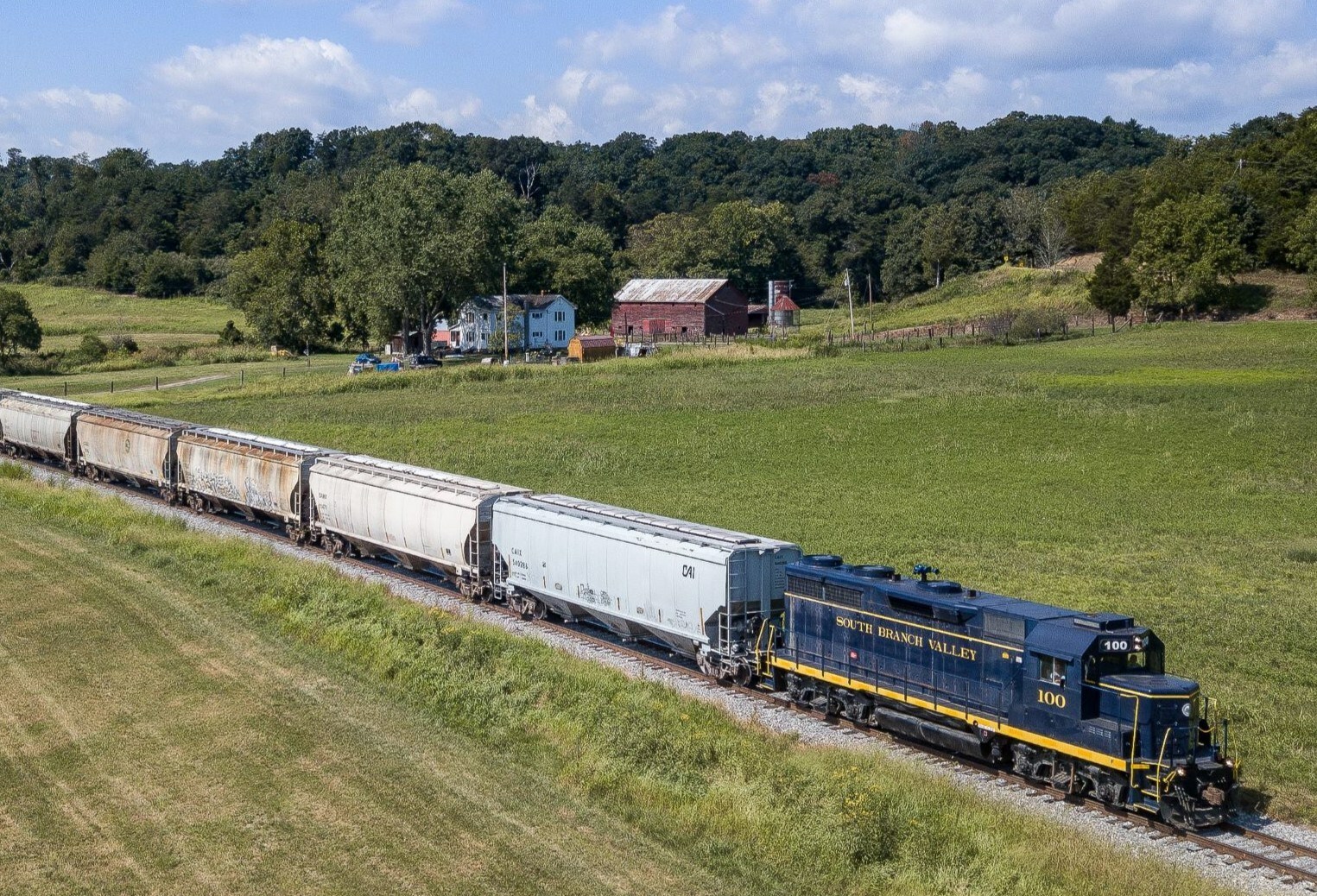
Neglected for generations — sold for a symbolic dollar in 1997 to an American private entity, plagued by underinvestment, seasonal limitations and infrastructure decay — Churchill had faded into obscurity. Flood damage in 2017 rendered connecting rail lines unusable for years. Yet climate change has lengthened navigable seasons, falling global shipping costs and port congestion elsewhere have sharpened its appeal, and renewed federal commitment — including $180 million pledged over five years — has transformed it into a national priority.
The pivot gained momentum when Saskatchewan-based Genesis Fertilizers announced partnerships to route phosphate imports and finished fertilizer exports exclusively through Churchill, bypassing U.S. pathways entirely. The economics proved compelling: shorter distances to Europe cut transit times by days, lowered costs, reduced spoilage risks and eliminated exposure to American political leverage. Grain followed suit, with projections for expanded handling capacity, modernized storage and rail upgrades aiming to capture growing volumes of wheat, canola and other crops destined for European buyers.
Chain Reactions and Broader Implications
The consequences have cascaded rapidly. American logistics firms, rail operators and port authorities face the erosion of a lucrative stream of Canadian traffic that once flowed unchallenged. U.S. farmers, heavily reliant on affordable Canadian potash to sustain yields, confront potential supply disruptions and price volatility if tensions escalate further — though analysts note that reciprocal tariffs would likely harm domestic agriculture more than they would aid it.
For Canada, the shift promises retained profits, enhanced control and diversification away from overreliance on the U.S. market, which historically absorbed the majority of exports. Potash alone, valued at billions annually, combined with grain shipments and potential future expansions into critical minerals and energy, underpins the $780 billion estimate — a conservative projection of redirected trade value over ten years as new infrastructure scales up.
This is no mere logistical adjustment; it marks a profound assertion of sovereignty in an era of resurgent protectionism. Carney’s government has framed the strategy as pragmatic resilience rather than confrontation — investing in domestic assets to secure supply chains against external shocks. Yet the narrative carries unmistakable drama: what began as tariff saber-rattling from Washington has culminated in Canada quietly but decisively rewriting the rules of North American agricultural power.
As Arctic routes lengthen and global food security grows more precarious, the Port of Churchill stands as a symbol of recalibrated influence. The United States retains deep ties with its northern neighbor, but the leverage once embedded in shared infrastructure has begun to slip away — one shipment at a time. The full ramifications of this overnight realignment, from farm gate to global table, are only now coming into focus.