A Federal Agent’s Shooting in Minneapolis Ignites National Outrage and Legal Uncertainty
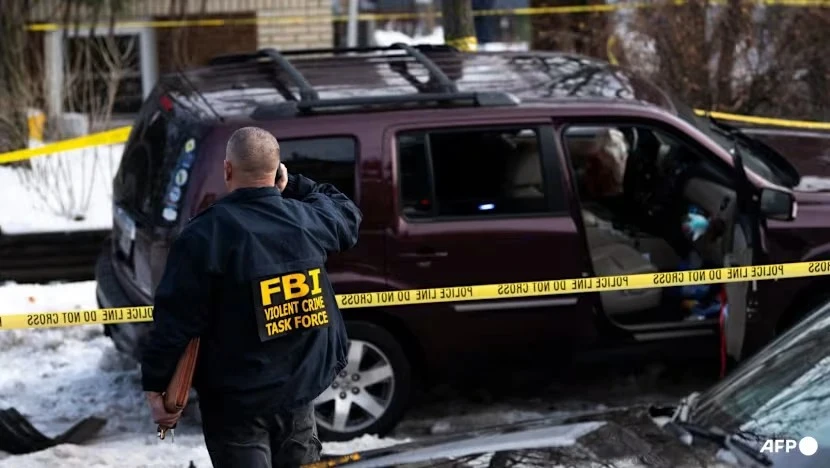
MINNEAPOLIS — A fatal shooting by a U.S. Immigration and Customs Enforcement (ICE) agent early this month has sharply divided officials, legal experts and communities across the country, touching raw nerves about law enforcement accountability, federal power and civil liberties.
On the morning of January 7, federal immigration officers conducting operations in south Minneapolis confronted 37-year-old Renee Nicole Good, a mother of three, in what quickly turned into a deadly encounter. An ICE agent fired three shots that struck Good, who later died at a hospital. The exact sequence of events — including whether Good posed a genuine threat — is now the subject of competing narratives and intense scrutiny. (Star Tribune)
Conflicting Accounts of the Shooting
According to the Department of Homeland Security (DHS), officers were executing “targeted operations” when Good’s vehicle became a danger to law enforcement personnel. DHS officials, speaking through spokesperson Tricia McLaughlin, characterized Good’s actions as “weaponizing her vehicle” and attempting to “run over” the agent — labeling the conduct an act of “domestic terrorism.” The federal account asserts that the agent fired in self-defense to protect himself and fellow agents. (ABC7 Los Angeles)
Yet publicly released video and eyewitness accounts appear to complicate that explanation. The footage shows Good’s car stopped in a residential street with officers approaching and ordering her out. In some angles, the vehicle’s wheels seem oriented away from the agent at the moment shots are fired, raising questions about whether she was in fact moving toward him when he opened fire. Legal and use-of-force experts have pointed to this discrepancy as a key element in assessing the incident. (People.com)
“I’ve done this work for decades,” said one former law enforcement official consulted by News outlets. “If someone is simply in a stopped car or turning away, that does not justify lethal force under accepted policing standards.” Other experts, including those interviewed on national broadcasts, argued that an officer standing close to a heavy vehicle that appears to accelerate could reasonably perceive a deadly threat, citing legal precedents on split-second decision making. (ABC7 Los Angeles)
A Nation Reacts: Protests and Politics
The shooting has ignited protests in Minneapolis and beyond, with demonstrators calling for a full accounting and the removal of federal immigration agents from the city. In Chicago, activists rallied in multiple neighborhoods, denouncing what they see as aggressive and militarized tactics by ICE. (ABC7 Chicago)
Local officials have expressed sharp criticism of federal actions. Minneapolis Mayor Jacob Frey publicly rejected the federal narrative, calling it misleading and urging ICE to withdraw from the city. Frey’s statements reflect lingering mistrust that traces back to previous conflicts over policing and federal intervention. (The Washington Post)
Minnesota’s governor has also weighed in, preparing additional state resources and emphasizing the need for transparent investigations amid what he described as “heightened tensions.” Meanwhile, local vigils for Good have drawn hundreds of mourners across the Midwest, uniting grief with calls for justice. (The Telegraph)
Investigation Under Fire
The legal fallout has been contentious. The Federal Bureau of Investigation (FBI) has taken over the primary investigation, effectively barring the Minnesota Bureau of Criminal Apprehension (BCA) — the state agency — from accessing evidence and participating in the inquiry. Minnesota officials say the exclusion undermines public confidence and transparency at a critical moment. (FOX 9 Minneapolis-St. Paul)
BCA’s superintendent said that without access to material evidence, witnesses and interviews, the state cannot independently satisfy its investigative benchmarks — leading the agency to withdraw from participation. State prosecutors have called on the public to submit any footage or witness accounts to help reconstruct what occurred. (https://www.kgns.tv)
Experts point out the legal complexities of jurisdiction in incidents involving federal officers. Under the Supremacy Clause, federal agents acting within their official duties are typically insulated from state prosecution, a doctrine that may limit Minnesota’s ability to pursue criminal charges even if the evidence is contentious. (Reddit)
National Politicians Enter the Fray
At the national level, political reactions have been sharply divided.
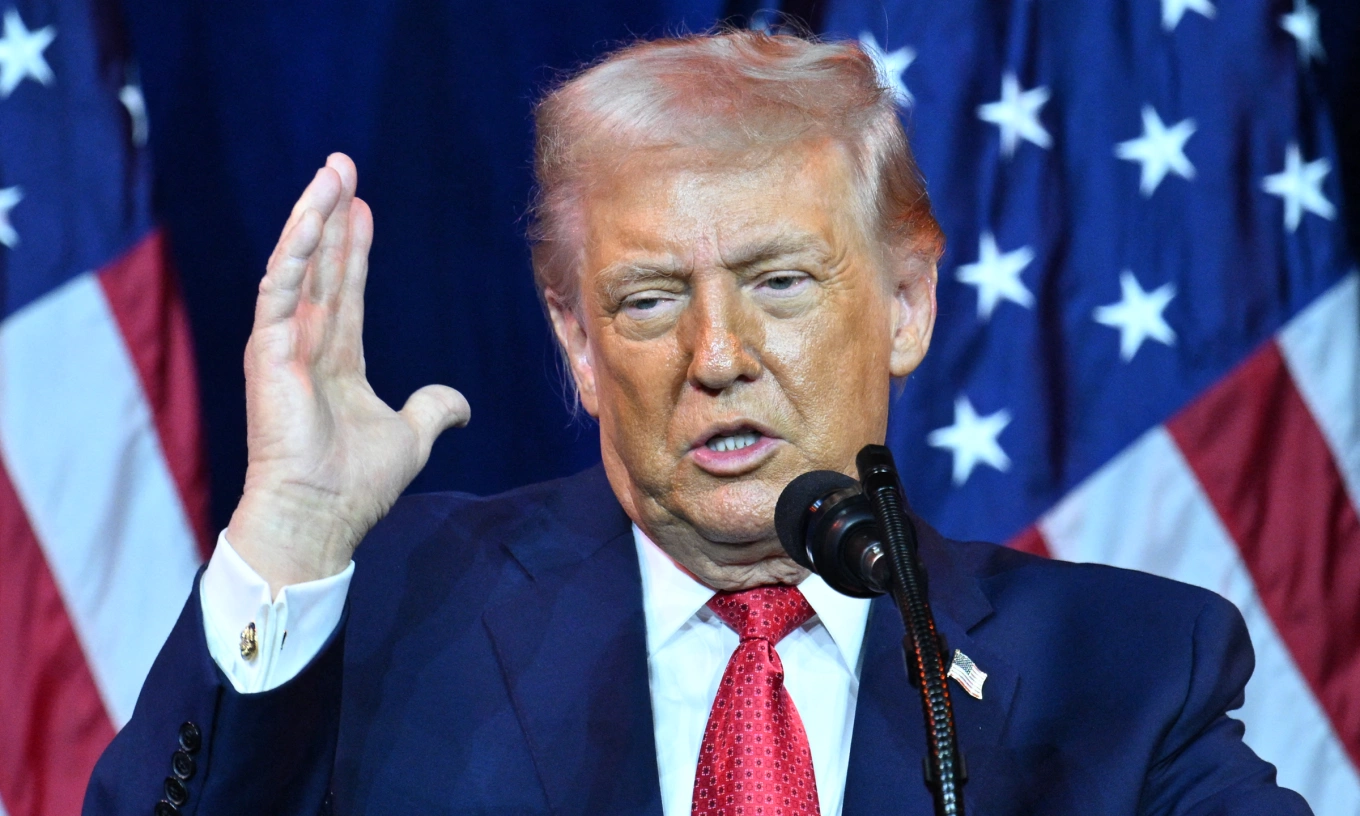
President Donald Trump defended the ICE agent’s actions, echoing DHS’s description of Good’s conduct and emphasizing support for law enforcement. Critics of the administration argue that the defense overlooks video evidence and exacerbates distrust in federal power. (The Times of India)
Representative Ilhan Omar, whose district includes Minneapolis, criticized both the federal response and the broader policies that have expanded ICE operations into interior cities. She urged Americans to document interactions with federal agents to ensure oversight and accountability. (New York Post)
Democrats in Congress have suggested reviewing DHS funding and accountability measures, while some Republicans praised the agent’s actions as justified public-safety enforcement. The divide reflects broader political tensions over immigration, policing and federal authority.
Human Rights Scrutiny and Legal Debate
Human Rights Watch and other civil liberties organizations have condemned the shooting, characterizing it as part of a larger pattern of abuse and excessive force by immigration enforcement personnel in recent years. In a public statement, human rights analysts said the federal account “is entirely inconsistent with a reasonable analysis of available footage.” (hrw.org)
Legal scholars also debate how DHS’s internal use-of-force policies apply to this case. The agency’s guidelines say lethal force should be used only when “no reasonably effective alternative” is available and when there is a real threat of death or serious injury. Critics argue that discharging a firearm at a moving vehicle is “tightly restricted” under these policies, raising questions about whether the shooting complied with established protocols. (ABC7 Los Angeles)
The Family and Legacy
Good’s family and supporters have described her as a devoted parent and community member whose life was abruptly cut short. A GoFundMe established for her family has raised substantial donations, signaling widespread public sympathy and concern. (The Sun)
In Minneapolis, the shooting has reopened deep wounds from earlier conflicts over policing and federal intervention, evoking memories of past tragedies that shook the city. Local leaders have called for peace even as they press for answers, warning against escalation but insisting that justice must be pursued.
What Comes Next
With investigations ongoing and public scrutiny unabated, the case will likely shape national conversations about the role of federal law enforcement, the limits of use of force and the mechanisms of accountability. Whether state prosecutors pursue independent charges, how the FBI will handle evidence and how federal policy might change in response remain open questions.
For now, the shooting of Renee Good stands as a flash point in America’s continuing struggle to balance public safety, individual rights, and trust in institutions. The debate it has sparked — from courtrooms to street demonstrations — underscores the complex and often painful intersection of law enforcement and civic life in a deeply polarized moment.