Cell Phone Video and Protests Intensify Scrutiny of ICE Operations in Minneapolis
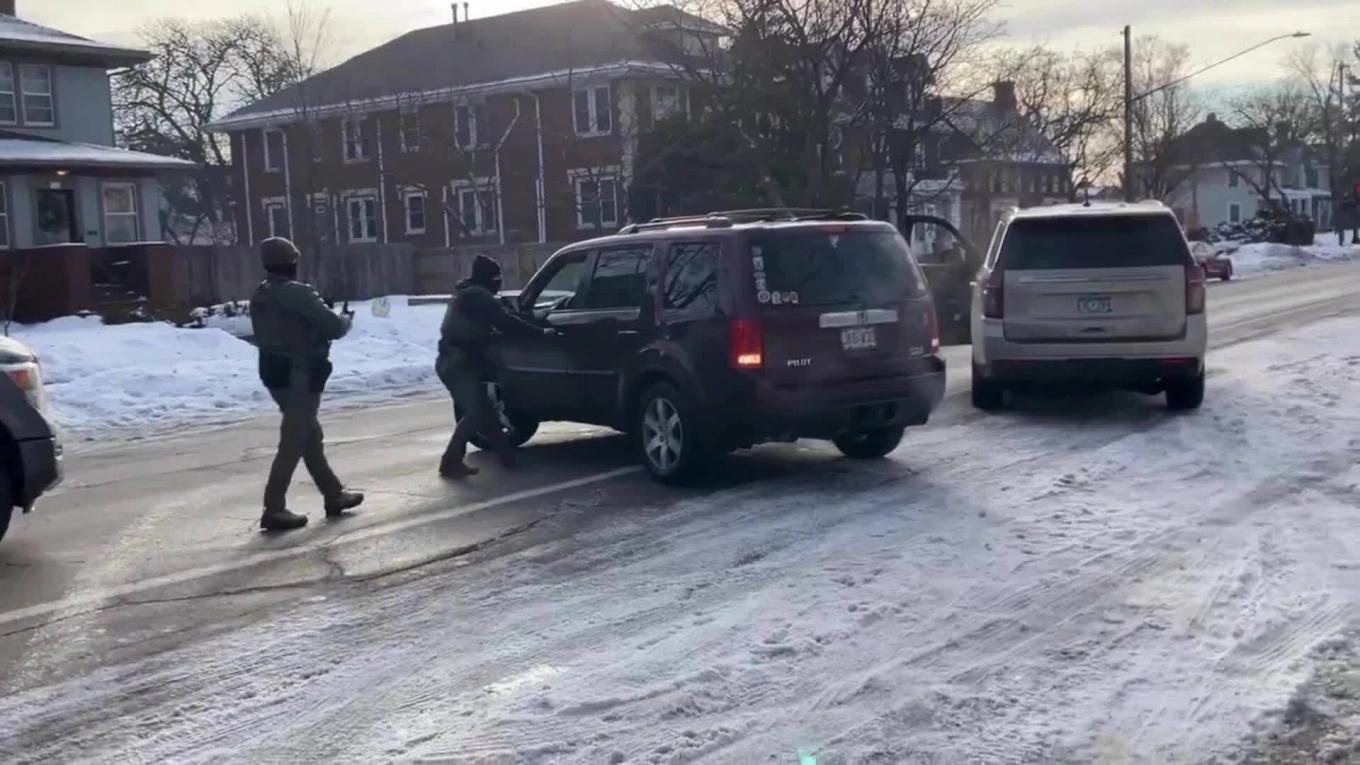
MINNEAPOLIS — A fatal shooting involving a federal immigration officer in South Minneapolis has ignited days of protests, renewed scrutiny of Immigration and Customs Enforcement tactics, and a national debate over the expanding role of federal immigration enforcement in American cities.
The death of Renee Nicole Good, a 37-year-old woman and mother of a six-year-old child, occurred during an encounter with federal agents earlier this week. The incident, now under federal investigation, escalated after cell phone footage surfaced online that activists and independent journalists say captures the moments leading up to the shooting.
The video, first circulated widely on social media platforms including X, TikTok, and YouTube, appears to show Ms. Good inside her vehicle during a confrontation with an armed officer identified by federal authorities as Jonathan Ross, an ICE officer. In the footage, Ms. Good can be heard repeatedly telling the officer that she was not angry and was attempting to leave. Seconds later, gunfire erupts.
Federal officials have confirmed the shooting but have declined to release the full body-camera or internal footage, citing an ongoing investigation. ICE and the Department of Homeland Security said in a joint statement that the officer “perceived an imminent threat” and acted in accordance with agency protocols. They did not elaborate further.
Civil rights groups, local activists, and Ms. Good’s family dispute that account, calling the shooting unjustified and demanding the release of all video evidence.
“This video is deeply disturbing,” said Nekima Levy Armstrong, a Minneapolis-based civil rights attorney. “At minimum, it raises serious questions about de-escalation, proportional force, and accountability.”
Federal Takeover of Investigation Raises Tensions
The investigation has been taken over by federal authorities, including the FBI, a move that has drawn criticism from Minnesota lawmakers and city officials who say local law enforcement has been denied access to key evidence.
Mayor Jacob Frey said in a statement that Minneapolis officials had requested transparency and cooperation. “The public deserves clarity,” he said. “Without it, trust erodes.”
The Minnesota Bureau of Criminal Apprehension confirmed it is not leading the case.
Protests Erupt Across Minneapolis
In the days following the shooting, protests have spread across downtown Minneapolis and near federal buildings, drawing hundreds of demonstrators. Independent media outlet Status Coup, known for its on-the-ground livestream coverage of protests nationwide, has published hours of footage showing confrontations between demonstrators and federal agents.
In several videos, ICE agents appear deploying pepper spray, tear gas, and physical force to disperse crowds. Protesters can be heard shouting demands for justice for Ms. Good and chanting anti-ICE slogans. One widely shared clip shows agents detaining and dragging a protester away from a federal building as others shout for explanations.
Federal officials said chemical agents were used “to maintain perimeter security” after officers were “threatened,” though no evidence of weapons among protesters has been released publicly.
A Pattern Seen Elsewhere
The Minneapolis incident echoes previous flashpoints in cities such as Chicago, Portland, and Los Angeles, where aggressive immigration enforcement has sparked backlash. Reporters with Status Coup, who have spent months documenting ICE operations in multiple cities, argue the tactics follow a familiar pattern.
“What we’ve seen again and again is escalation first, force second,” said JT Satkowski, a field reporter with Status Coup, in an interview. “Agents arrive in military-style gear, tensions rise immediately, and de-escalation appears absent.”
Mr. Satkowski and other journalists described ICE and Border Patrol agents wearing camouflage uniforms, carrying long guns, and operating in ways that some residents initially mistook for National Guard deployments.
Political Context and National Debate

The shooting comes amid a broader expansion of federal immigration enforcement under President Donald Trump, who has framed aggressive ICE operations as central to his administration’s immigration agenda. Congressional Republicans recently approved increased funding for ICE and Border Patrol, expanding budgets for personnel, equipment, and tactical resources.
Democrats, civil liberties advocates, and some local officials argue the expansion has outpaced oversight.
“Federal immigration enforcement is increasingly militarized,” said Representative Ilhan Omar, whose district includes parts of Minneapolis. “This case shows the human cost of that approach.”
The Trump administration has defended ICE’s actions nationwide, frequently characterizing protests as extremist or violent. In this case, federal spokespeople initially described Ms. Good as a “domestic threat,” a label that civil rights groups say is both inflammatory and unsupported by evidence.
A Family and Community in Mourning
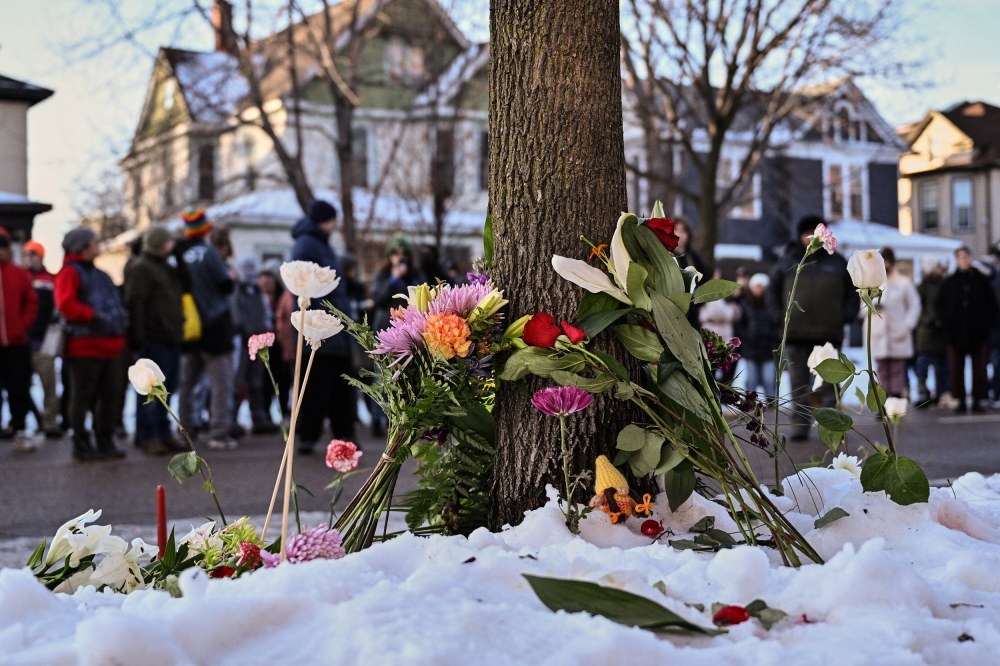
Friends and relatives describe Ms. Good as a devoted mother and community member. At a candlelight vigil held near the site of the shooting, mourners left flowers and handwritten notes, many referencing her young son, Emerson.
“He doesn’t have his mother anymore,” said one speaker at the vigil. “That’s the reality no investigation can undo.”
Legal experts say potential outcomes range from internal discipline to federal civil rights charges, depending on what investigators determine about the officer’s actions and whether use-of-force guidelines were violated.
For now, the case remains unresolved, with more questions than answers.
As protests continue and video evidence circulates widely online, Minneapolis once again finds itself at the center of a national reckoning over policing, federal power, and the limits of force — a debate that shows no sign of abating.