Congress Pushes Back: Republicans Break With Donald Trump in a Rare Show of Defiance
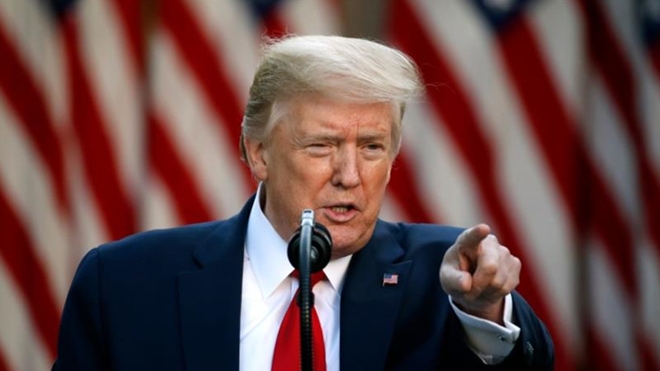
WASHINGTON — In a series of rare but consequential developments, the United States Congress has in recent days witnessed a public and growing rupture between Donald Trump and members of his own party. From health care and war powers to the nation’s reckoning with January 6, Republican lawmakers — including long-time allies — are increasingly willing to challenge the sitting president.
Late yesterday in the House of Representatives, legislation extending subsidies under the Affordable Care Act passed by a 230–196 vote. Notably, 17 Republicans joined Democrats, defying direct opposition from the White House. As the bill cleared the chamber, applause echoed across the House floor — an unusual moment in an era defined by partisan paralysis.
The measure now heads to the Senate, where Trump is expected to lobby aggressively to block it, with a veto likely should it reach his desk. Yet the House vote underscored a reality becoming harder to ignore: Trump’s grip on the Republican Party is weakening.
Symbols of Memory and Truth: The January 6 Commemorative Plaque
At the same time, the Senate reached unanimous consent to display a commemorative plaque honoring law enforcement officers who protected the Capitol during the January 6, 2021, insurrection. While symbolic, the move carries substantial political weight, particularly as MAGA-aligned House Republicans — led by Speaker Mike Johnson — had long delayed or blocked the initiative.
Republican Senator Tom Tillis of North Carolina, who is not seeking reelection, played a central role in securing bipartisan support. According to congressional sources and journalists closely tracking the matter, Tillis’s push, alongside Democratic allies, forced Senate leadership, including Majority Leader John Thune, to act — particularly after Trump posted controversial claims about January 6 on the White House website.
Meanwhile, the House continues to resist installing the plaque, reflecting what many lawmakers see as Trump’s desire to avoid officially honoring the police officers who opposed his supporters during the Capitol riot.
War Powers and the Limits of Presidential Authority
The defiance extended beyond symbolism. In the Senate, a war powers resolution aimed at restricting Trump’s ability to undertake unilateral military action in Venezuela passed 52–47. Sponsored by Senator Tim Kaine and backed by both Democrats and Republicans — including Lisa Murkowski, Todd Young, Rand Paul, Susan Collins, and Josh Hawley — the resolution signals growing concern over unchecked executive power.
Trump swiftly threatened a veto. Yet the vote demonstrates an increasing recognition in Congress that executive authority must be constrained, especially in foreign engagements that could draw the U.S. into conflict.
NATO, Greenland, and Increasing Isolation
The fractures extended to foreign policy. In response to Trump’s statements that military action in Greenland was “not off the table,” the Senate — with bipartisan participation — invited ambassadors from Denmark and Greenland to reassure them that Congress did not support unilateral U.S. action.
On national television, Senator Tillis criticized Stephen Miller, Trump’s senior advisor, stating he “does not understand NATO” and is harming core U.S. alliances. Republican Representative Don Bacon of Nebraska, also not seeking reelection, called the idea of acquiring Greenland “absurd and unacceptable.”
A President Acknowledging Possible Defeat
In a rare admission, Trump told Sean Hannity that he could lose control of Congress in the midterms, citing what he described as a psychological tendency of voters to check the president. While attempting to project calm, analysts interpreted the remarks as evidence that Trump is acutely aware of his precarious political position.
Voices Outside the Partisan Divide
Beyond Congress, independent voices have joined the chorus of concern. Jesse Ventura, former governor of Minnesota, Navy SEAL veteran, and Reform Party politician, drew attention by comparing domestic military deployments to historical signs of authoritarian regimes. His statements, widely shared on social media, emphasized threats to the Constitution and democratic norms.
A Political Turning Point?
These developments do not signal an immediate collapse of Trump’s influence within the GOP. However, they mark a critical turning point: for the first time since his return to the White House, Trump faces organized resistance not only from Democrats but also from former allies within his own party.
The pressing question in Washington is no longer whether Donald Trump will be challenged, but rather the magnitude and consequences of that challenge for American democracy in the months and years ahead.