Melania Trump Seeks Dismissal of Wolff Lawsuit, Citing Improper Service and Legal Defects
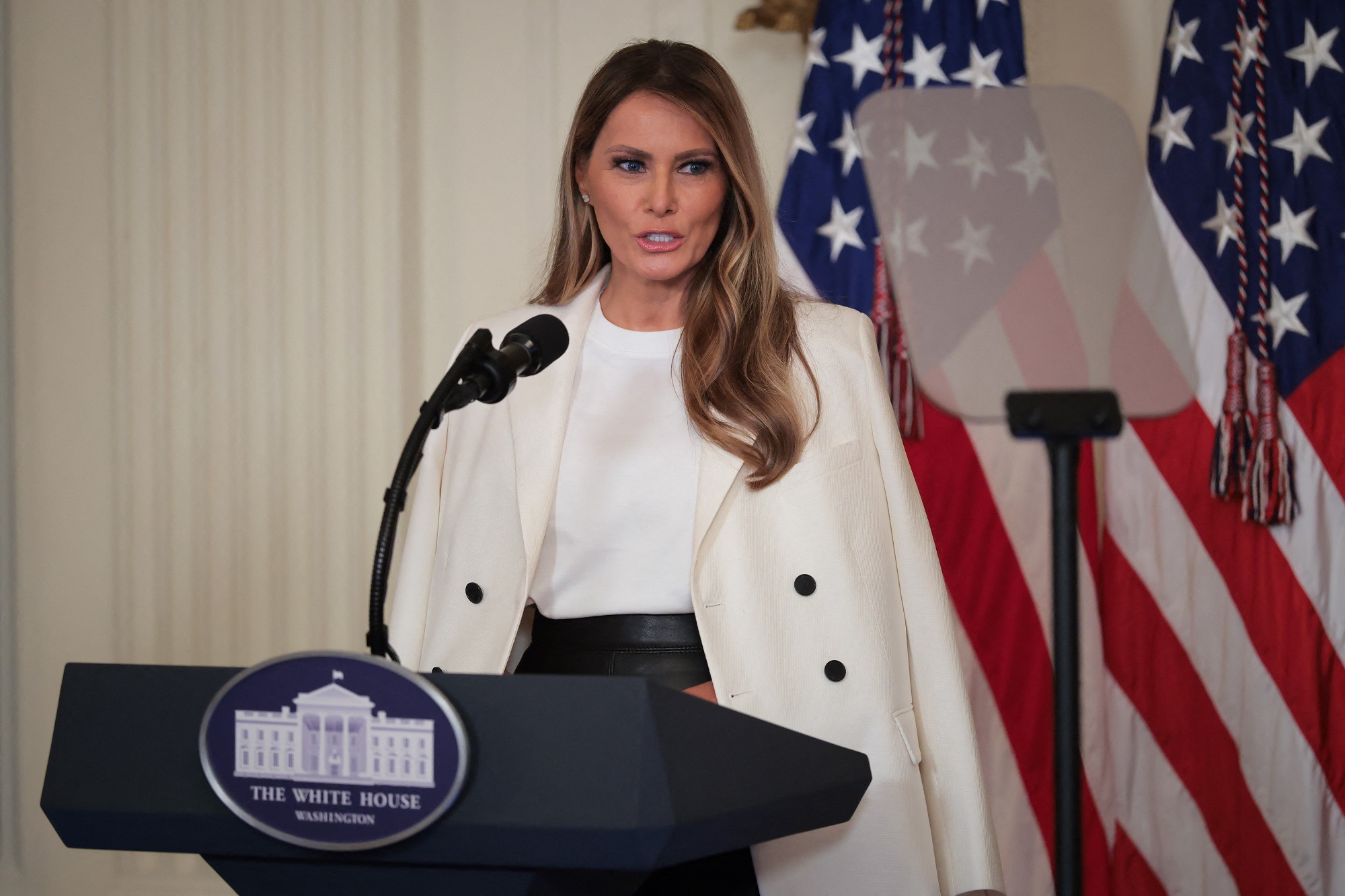
First Lady Melania Trump has moved to dismiss a high-profile defamation lawsuit filed against her by journalist and author Michael Wolff, asserting that the case is fundamentally flawed and should never have been filed in the first place. In a legal filing this week in the Supreme Court of New York, New York County, Mrs. Trump’s attorneys argued the action should be dismissed on multiple procedural grounds — including insufficient service of process, lack of personal jurisdiction, and failure to state a claim upon which relief can be granted. (Newsweek)
The motion to dismiss marks the latest twist in what has become one of the most prominent legal confrontations involving the First Lady in recent years. At its core, the case reflects deeper political and cultural fault lines surrounding reporting on the late financier Jeffrey Epstein and the Trump family’s ties to his social circle, as well as ongoing debates over press freedom, defamation law, and the First Amendment. (AP News)
Origins of the Dispute
The legal fight began in October 2025, when Michael Wolff — the controversial author of Fire and Fury and several other books chronicling President Donald Trump — filed a civil lawsuit against Melania Trump in Manhattan state court. Wolff’s complaint alleged that the First Lady threatened him with a $1 billion libel suit after he made statements in media interviews and online about her connection to Epstein and the circumstances surrounding her meeting with her husband. (AP News)
Wolff’s lawsuit claims that Melania Trump and her legal team sought to silence him and other media outlets after he publicly discussed reporting that suggested her introduction to Donald Trump had links, however tenuous, to Epstein’s social network. Wolff’s filing invoked New York State’s anti-SLAPP law — statutes designed to prevent powerful individuals from using litigation to chill free speech — and sought declaratory and injunctive relief as well as costs. (Reddit)
At the time, Wolff also signaled that he intended to pursue extensive discovery, including subpoena power to depose not only Mrs. Trump but potentially President Trump as well — raising the stakes of what had begun as a relatively narrow dispute. (Reddit)
Service and Jurisdiction at the Center
The Trump legal team’s motion to dismiss pivots on service of process, the legal procedure by which a defendant is formally notified of a lawsuit. According to the filing, Wolff’s team delivered the complaint to a doorman at Trump Tower in Manhattan — a location the First Lady’s counsel contends is not her residence for service purposes. They argue that this rendered the attempted service improper and deprived the court of personal jurisdiction over Mrs. Trump. (Newsweek)
The motion also asserts that Wolff’s complaint fails to state a claim upon which relief can be granted — a standard legal challenge that argues even if all facts alleged by the plaintiff were true, they would not constitute a legally actionable defamation. Wolff’s suit relies largely on his interpretations of public commentary and podcast remarks, and the Trump team contends those expressions are constitutionally protected opinion. (Newsweek)
A spokesperson for the First Lady’s legal team said in a statement that the lawsuit “is without merit and should be dismissed in its entirety or, at a minimum, transferred to the Southern District of Florida, where proper jurisdiction lies.” (Newsweek)
Wolff’s Response and Broader Context

Wolff and his supporters have vigorously disputed the Trump team’s characterization. The author’s allies in media circles describe the lawsuit as an important affirmation of an author’s right to probe powerful figures and seek judicial protection against retaliatory threats. Some supporters emphasize that the case — if it proceeds — could force testimony under oath about Epstein and his connections to some of the nation’s most prominent figures. (YouTube)
In online discussions, Wolff and his backers have framed the lawsuit as an opportunity to “lift the dark curtain” around the Trumps’ long relationship with Epstein’s world. Social media posts by commentators, some tied to political subcultures, argue the case could expose “secrets” about how Epstein may have intersected with the Trump family — though such claims are not substantiated by evidence in the public record and remain speculative. (Reddit)
Critics of Wolff, on the other hand, have accused him of amplifying unfounded narratives and using legal threats strategically to gain publicity for his work. Some debate forums reflect skepticism that the case will survive early procedural hurdles, especially given the high bar for defamation claims involving public figures like the First Lady. (Reddit)
Legal Experts Weigh In
Legal scholars note that service and jurisdiction challenges are often decisive in early stages of high-profile litigation. “If a court finds that service wasn’t properly effectuated, there’s simply no case to answer,” said one civil procedure expert not affiliated with either side. “In addition, when defamation involves public figures, plaintiffs must meet a demanding standard to show actual malice — meaning the defendant knew the statements were false or acted with reckless disregard for the truth.” (Expert comment generalized based on legal reporting.)
Several commentators also highlight the broader significance of anti-SLAPP protections, which were designed to deter lawsuits that could muzzle public discourse. Whether Wolff’s use of these laws will succeed depends in part on where the case is heard and how the court interprets the scope of the communications at issue.
Political and Public Reaction
The case has quickly become a flashpoint among political commentators and social media commentators across the spectrum. Some conservative commentators dismiss Wolff’s lawsuit as a publicity stunt by an author with a record of sensational reporting. Others frame the First Lady’s motion to dismiss as a calculated legal defense aimed at avoiding invasive discovery that might probe into private aspects of her life or her husband’s presidency.
Progressive voices, meanwhile, portray the legal confrontation as emblematic of broader conflicts over accountability and transparency, especially regarding Epstein’s pervasive influence on elite networks. They argue that robust journalistic inquiry into powerful families is essential — even if it brings legal challenges.
What Comes Next
The court has yet to set a schedule for hearing arguments on the motion to dismiss. If the judge grants the motion on procedural grounds, the case would end without reaching substantive questioning or depositions. If, however, the court finds that service was adequate and the complaint states a viable claim under New York law, the lawsuit could proceed to a lengthy discovery process, potentially bringing high-profile testimony and new disclosures into public view.
For now, both sides are preparing for the next legal round: the Trump team to defend against what they contend is an improper and meritless filing, and Wolff to press forward with his claim that his right to speak and publish about powerful public figures — even controversial ones — deserves judicial protection.