The legal spotlight has turned once again toward Melania Trump, whose name has surfaced in a quietly escalating court dispute that blends celebrity scrutiny, constitutional law, and strategic maneuvering behind the scenes. At the center of the matter is an allegation that the former first lady has deliberately avoided being formally served with legal papers, a procedural dispute that now threatens to shape the future of a high-profile case unfolding across multiple jurisdictions.
According to recent court filings, the dispute stems from a preemptive lawsuit filed by journalist Michael Wolff, who sought judicial protection after receiving a demand letter threatening a $1 billion defamation claim. The letter, sent on behalf of M.E.L.A.N.I.A T.R.U.M.P by legal counsel associated with her and Donald Trump, demanded retractions and apologies for statements Wolff had made in connection with his reporting on powerful political figures.
Rather than waiting for a potential lawsuit, Wolff filed his own action in New York, asking the court to issue a declaratory judgment affirming that his statements were either factually supported, constitutionally protected opinion, or otherwise shielded under the First Amendment. The move, widely seen as a defensive legal strategy, immediately shifted the balance of the confrontation and placed Melania Trump in the unusual position of being named as a defendant in a journalist-initiated case.

What followed has become the most contested aspect of the proceedings: service of process. Wolff’s legal team asserts that repeated attempts to personally serve Melania Trump were frustrated by her constant movement between properties in New York, Florida, and New Jersey. Eventually, legal papers were delivered to a doorman at Trump Tower and forwarded to her attorneys, a method Wolff’s side argues constitutes sufficient notice under the circumstances.
Melania Trump’s legal filings tell a different story. In a recent submission to federal court, her attorneys argue that service was defective because the documents were never placed directly into her hands. Without proper service, they contend, the court lacks personal jurisdiction, rendering the case procedurally invalid. Legal scholars note that while personal service is generally preferred, courts have broad discretion when a defendant is alleged to be evading service, particularly when there is clear evidence that the defendant has actual notice of the lawsuit.

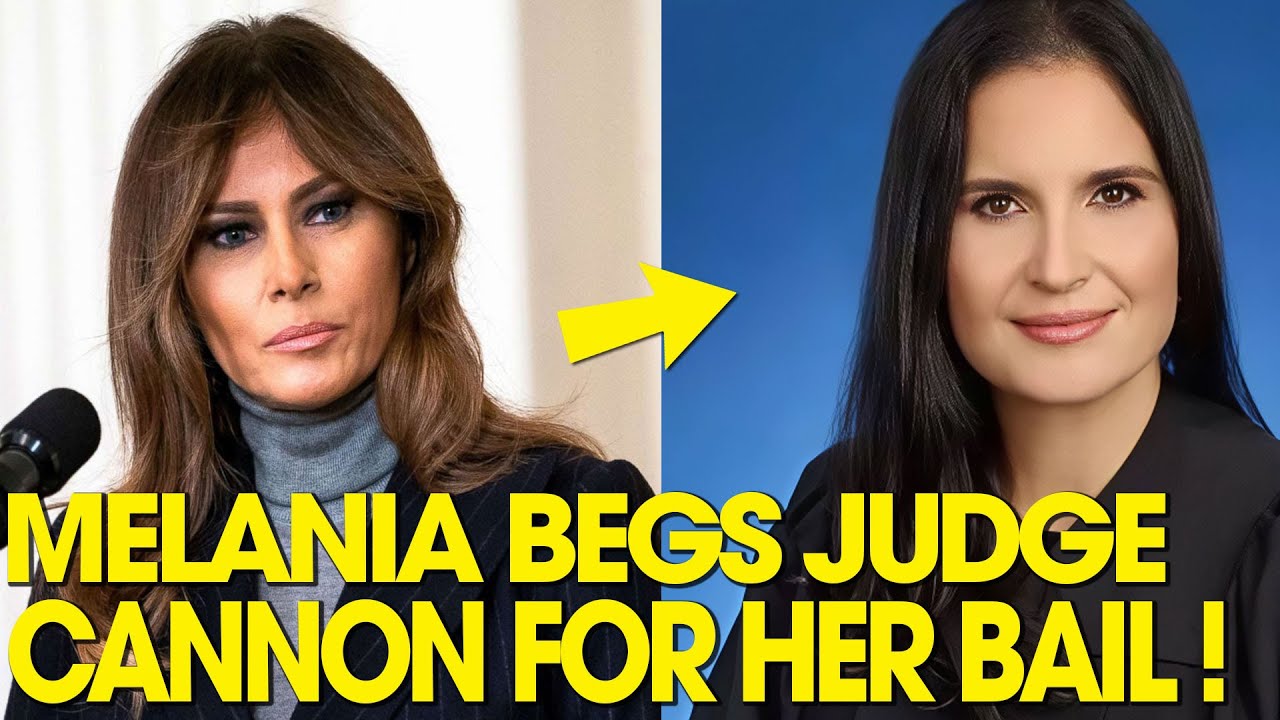
Beyond the technical dispute over service lies a larger strategic battle over venue. Melania Trump’s legal team has urged the court to dismiss the case outright or, failing that, to transfer it out of New York and into the Southern District of Florida. Such a move would significantly alter the legal landscape, potentially placing the matter before Aileen Cannon, a jurist who previously presided over litigation involving classified documents connected to Donald Trump.
The request has raised eyebrows among legal observers, who point out that venue transfers are typically granted for reasons of convenience or fairness, not perceived judicial sympathy. Still, the filing underscores the high stakes of the jurisdictional question and the degree to which procedural decisions could determine the case’s trajectory long before any substantive claims are adjudicated.
At issue is more than a personal dispute between a journalist and a former first lady. The case touches on broader questions about the limits of defamation law, the protections afforded to journalists reporting on public figures, and the extent to which powerful individuals can use litigation threats to deter unfavorable coverage. Wolff’s attorneys have characterized the original demand letter as an attempt to chill protected speech, while Melania Trump’s legal team insists that the statements at issue crossed the line into actionable falsehoods.

Public reaction has mirrored the polarized climate surrounding nearly all matters connected to the Trump family. Supporters frame the filings as a legitimate effort to defend personal reputation, while critics view the procedural maneuvers as emblematic of a long-running pattern of legal delay and forum shopping. Media coverage has amplified these divisions, transforming what might otherwise have been a narrow procedural dispute into a widely discussed episode in the ongoing intersection of celebrity, politics, and the law.
As the court considers motions related to service, jurisdiction, and venue, the case remains in a preliminary stage. Yet even at this early juncture, it has drawn sustained attention for what it reveals about modern legal strategy in the age of constant media scrutiny. Whether the matter proceeds in New York, shifts south to Florida, or is dismissed on procedural grounds will likely determine not only the outcome of this dispute but also how similar conflicts between public figures and journalists are litigated in the future.
For now, the filings offer a rare glimpse into the mechanics of high-profile legal defense—where technical rules, strategic geography, and public perception converge long before a judge ever reaches the merits of the claims themselves.