BREAKING: Trump’s Venezuela Oil Grab Hits a Wall of Doubt and Pushback
A bold plan reportedly tied to former U.S. President Donald Trump to tap into Venezuela’s vast oil reserves is facing growing skepticism, as political, legal, and economic barriers rise sharply into view. Once framed as a strategic energy play, the idea is now colliding with reality, triggering doubts among analysts, policymakers, and industry insiders alike.
Venezuela holds the world’s largest proven oil reserves, making it a long-standing target of global energy ambitions. However, decades of mismanagement, international sanctions, and political instability have left its oil sector in deep decline. Any attempt by a U.S. political figure or aligned interests to “grab” Venezuelan oil was always going to be controversial—and deeply complicated.

At the center of the pushback is the legal maze surrounding U.S. sanctions on Venezuela. These measures, largely imposed during the Trump administration itself, restrict American companies from freely operating in the country’s energy sector. Critics point out the irony: policies once designed to isolate Caracas are now among the biggest obstacles to re-entering its oil fields.
Political resistance is also intensifying. Within the United States, lawmakers from both parties are questioning the wisdom of re-engaging with Venezuela’s government, citing human rights concerns and democratic backsliding. Internationally, allies remain cautious, unwilling to endorse any move that could legitimize a regime still under heavy scrutiny.
Economic realities further cloud the picture. Venezuela’s oil infrastructure is outdated and badly damaged, requiring tens of billions of dollars in investment to restore production to meaningful levels. Energy experts warn that even with political approval, returns would be slow and risky, undermining claims of a fast or easy oil windfall.Industry leaders are signaling hesitation as well. Major oil companies, once active in Venezuela, have grown wary after years of contract disputes, asset seizures, and abrupt policy reversals. For investors, uncertainty—not opportunity—continues to define the Venezuelan energy market.
Geopolitical tensions add another layer of complexity. Venezuela has strengthened ties with U.S. rivals such as Russia and China, both of which already hold strategic positions in the country’s oil sector. Any renewed U.S. push could ignite fresh power struggles, complicating Washington’s broader foreign policy agenda.Supporters argue that regaining influence over Venezuelan oil could enhance U.S. energy security and help stabilize global prices. Critics counter that expanding domestic production and diversifying imports offer safer, more reliable alternatives without the geopolitical baggage Venezuela carries.
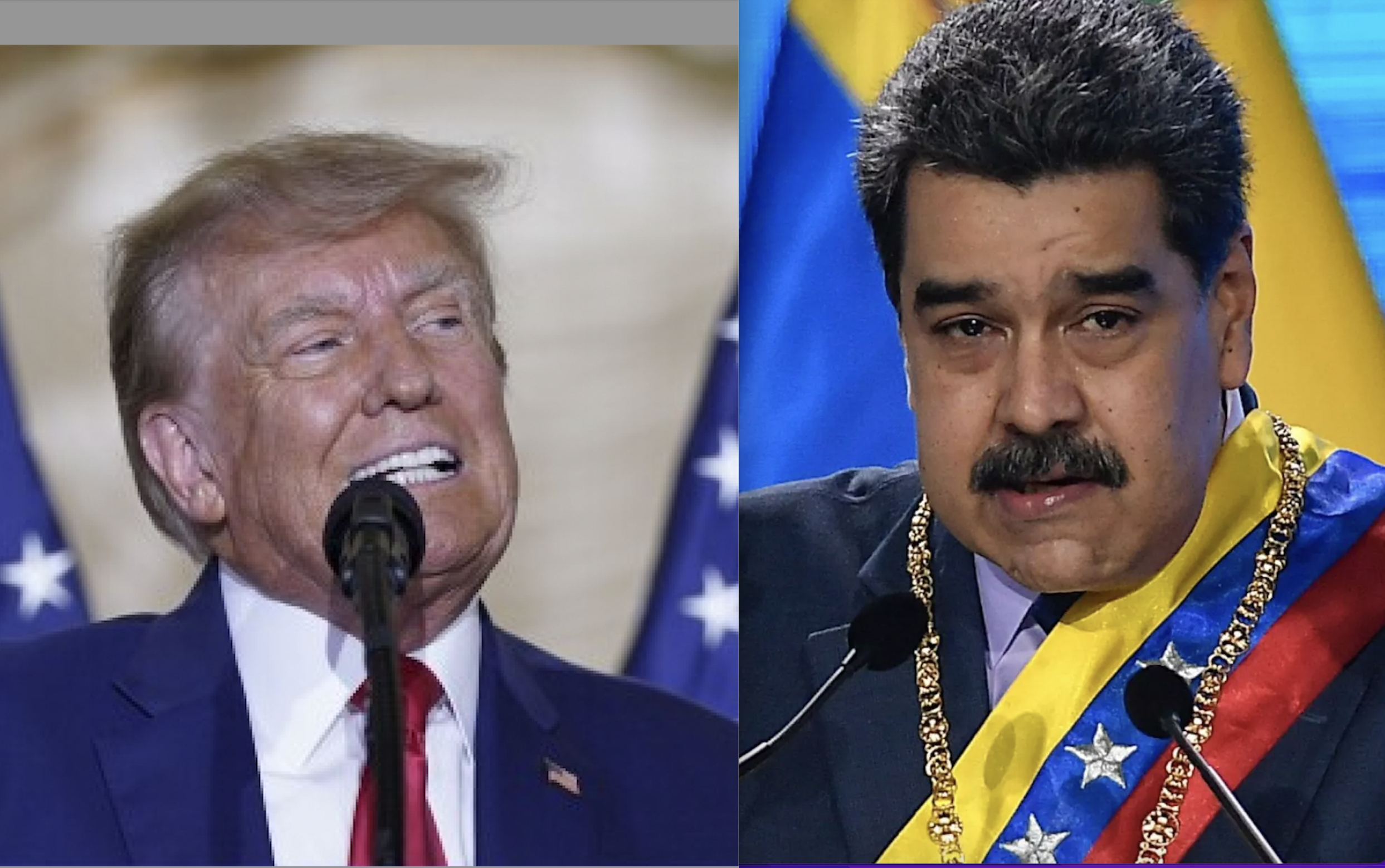
As skepticism grows, the narrative of a decisive “oil grab” is rapidly losing momentum. What once sounded like a tough, deal-driven strategy now appears more like a political slogan, struggling under legal scrutiny, economic logic, and international resistance.Ultimately, Trump’s Venezuela oil ambitions—whether concrete or rhetorical—underscore a broader reality of modern energy politics. Access to resources today depends not just on power, but on stability, trust, and long-term strategy. For now, Venezuela’s oil remains less a prize than a problem, and the wall of doubt surrounding it shows no sign of coming down.