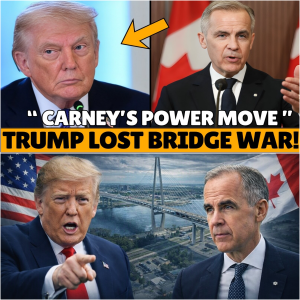
A dramatic geopolitical crisis is unfolding after reports that Donald Trump’s administration has openly floated military options against Greenland, triggering emergency meetings in Denmark, the U.S. Congress, and across Europe. Denmark’s parliament convened a classified emergency session amid growing fears of a potential U.S. invasion, following remarks from Trump’s envoy suggesting that “all options are on the table” unless Greenland complies with Washington’s demands. The episode has sent shockwaves through NATO and raised serious questions about U.S. respect for international law.

Tensions escalated when Jeff Landry, acting as Trump’s envoy, appeared on U.S. television suggesting that Greenland could be pressured through a mix of economic inducements—or force. His comments, including references to the Monroe Doctrine and “offers that can’t be refused,” were widely interpreted as threats of annexation. At the same time, Democratic senators emerging from a closed-door U.S. Senate briefing said they were deeply dissatisfied with answers from senior officials regarding potential U.S. plans involving Greenland, Cuba, and Colombia.
Europe responded swiftly and forcefully. A joint statement issued by France, Germany, Italy, Poland, Spain, the United Kingdom, Denmark, and backed by the Netherlands, reaffirmed that Greenland is part of the Kingdom of Denmark and a NATO territory. The statement stressed that Arctic security must be achieved collectively and in line with the UN Charter, explicitly defending sovereignty, territorial integrity, and the inviolability of borders. European leaders warned they would not stop defending these principles.
Danish officials pushed back even harder. EU Parliament member Anders Vistisen reminded U.S. audiences that Denmark’s sovereignty over Greenland is legally established—and explicitly recognized by the United States itself in historic treaties, including agreements linked to the U.S. Virgin Islands. He dismissed claims questioning Denmark’s authority as historically ignorant, warning that such rhetoric undermines NATO unity and global stability.
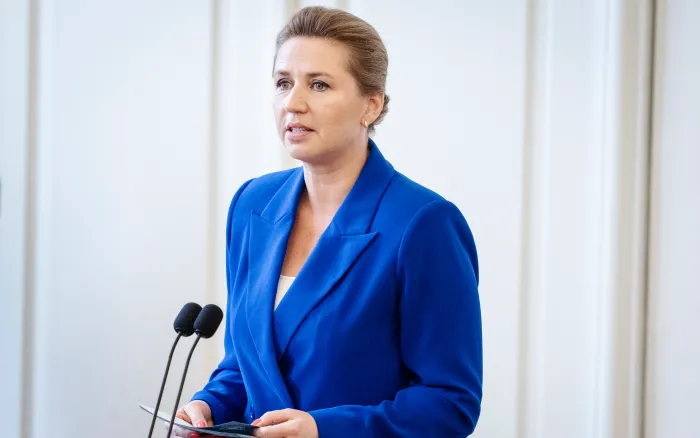
The controversy has also exposed deep divisions within the United States. While Senate Republican leaders suggested Trump’s threats should be taken seriously under a “peace through strength” doctrine, Democratic leaders sounded alarms. Senators Chuck Schumer and Tammy Duckworth compared the situation to past U.S. wars built on false premises, warning that reckless interventionism could lead to catastrophic consequences. International criticism intensified further when South Africa’s president condemned U.S. actions in the Western Hemisphere as violations of sovereignty.
As tensions mount, Canada has emerged as a key diplomatic counterweight. Prime Minister Mark Carney publicly reaffirmed Canada’s unwavering support for Denmark and Greenland’s sovereignty, pledging cooperation to secure the Arctic through NATO. With Europe united and U.S. lawmakers increasingly alarmed, Trump’s Greenland power play appears to be facing its strongest resistance yet—turning what began as a provocative threat into a full-blown international crisis with lasting implications for transatlantic relations.