Trade War Ignites as Doug Ford Freezes U.S. Alcohol and Ottawa Fires Back at Trump
Canada’s trade dispute with the United States has exploded into a full-blown political and economic showdown after Ontario Premier Doug Ford unleashed a dramatic counterstrike against Donald Trump’s latest tariffs. As Washington slapped an additional 10% tariff on Canadian imports, Ford ordered the removal of all U.S. alcohol from LCBO shelves, freezing nearly $80 million worth of American liquor in government warehouses. What began as a symbolic act of defiance has now become one of the most controversial flashpoints in the growing Canada–U.S. trade war.
Ford’s message was blunt and personal. Refusing to “kiss the ring,” the Ontario premier vowed never to apologize to Trump and urged Canadians not to let the U.S. president “determine and ruin your life.” His stance resonated with many voters frustrated by Trump’s rhetoric, including jokes about Canada becoming the 51st state. But the political bravado quickly collided with harsh economic realities as critics warned that Ontario taxpayers are now carrying the cost of alcohol that is aging, expiring, and losing value behind closed doors.
The numbers are stark. Roughly 3,600 U.S. products from 35 states—bourbons, wines, and ready-to-drink cocktails—have been pulled from shelves, despite already being paid for. Finance officials admit that millions of dollars’ worth of inventory could expire within months. Opposition parties argue that every week of delay quietly drains public money, turning a trade protest into a fiscal liability. Calls are growing for Ontario to follow other provinces and sell the stockpile, donating proceeds to food banks and charities.

That comparison has intensified the pressure. Manitoba, Prince Edward Island, Nova Scotia, and Newfoundland and Labrador all sold their U.S. alcohol inventories and redirected millions to community causes, avoiding prolonged storage costs and public scrutiny. Ontario’s refusal to do the same has left it isolated. Ford insists selling locally would hurt Ontario wineries and distilleries, especially during the holidays, but critics counter that inaction looks less like protection and more like paralysis.
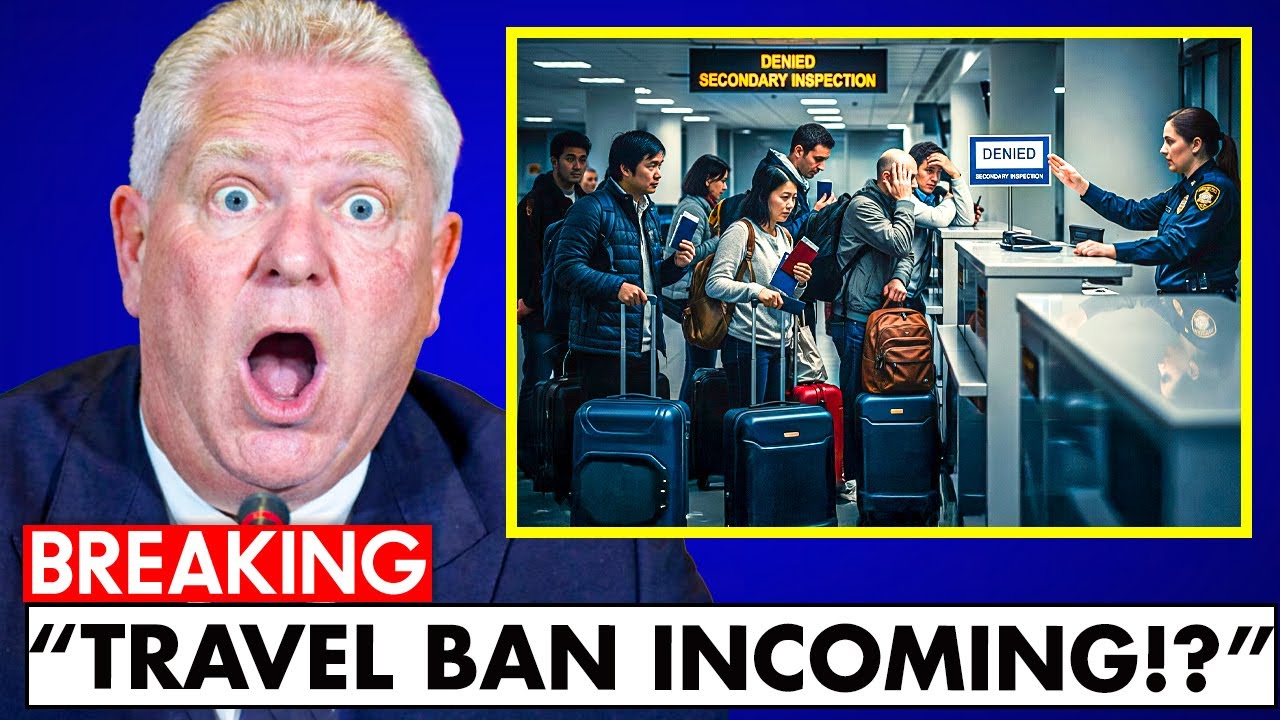
The conflict has also spilled beyond trade into tourism and consumer behavior. Ford publicly canceled his Florida vacation, endorsing what he described as an “organic boycott” of U.S. travel. Florida Governor Ron DeSantis fired back, boasting of record tourism numbers and mocking the idea that Canada could apply meaningful pressure. Yet Canadian data shows trips to the U.S. are down sharply year-over-year, creating a confusing battle of statistics that muddies the narrative and fuels escalation rather than resolution.
At its core, this dispute now carries real political risk. Ford has tied his hardline stance to consumer loyalty, urging Ontarians to “buy local” and citing surging sales of Ontario-made alcohol as proof the strategy works. But big claims invite big scrutiny. If demand softens, jobs come under threat, or public losses mount, the trade war will shift from symbolic defiance to survival politics. What is clear is that Canada’s confrontation with Trump has moved beyond rhetoric—into wallets, workplaces, and the daily lives of ordinary people.