Washington — A wave of online commentary and partisan media claims has reignited an old question in American foreign policy: when the United States fixes its attention on Venezuela, what is truly driving the pressure — narcotics enforcement, regional security or access to energy?
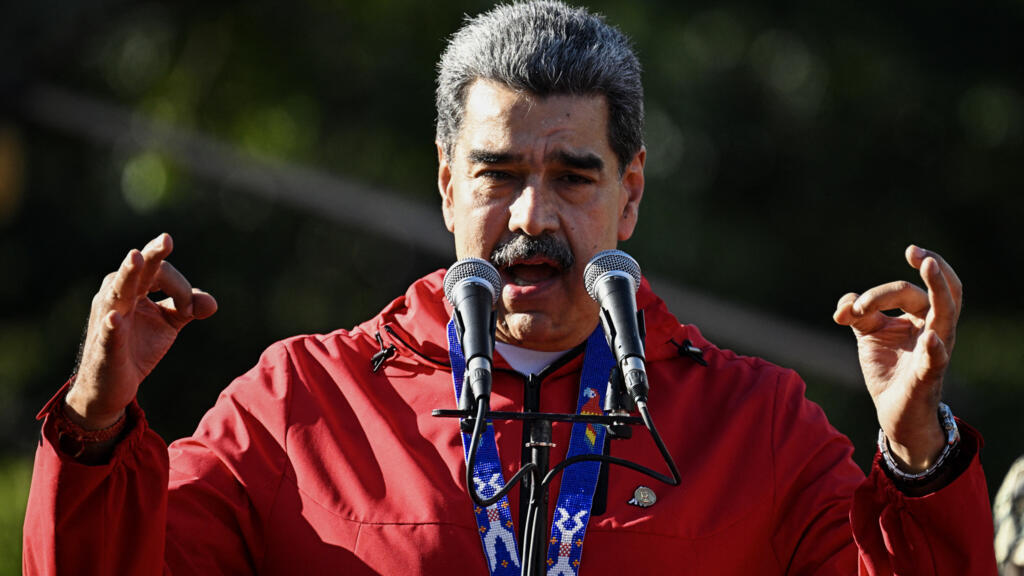
Former President Donald Trump has repeatedly framed U.S. interest in Venezuela around drug trafficking and organized crime, pointing to allegations that President Nicolás Maduro and figures close to him were involved in cocaine networks. That narrative, echoed by administration allies, presents enforcement as a matter of public safety rather than geopolitics.
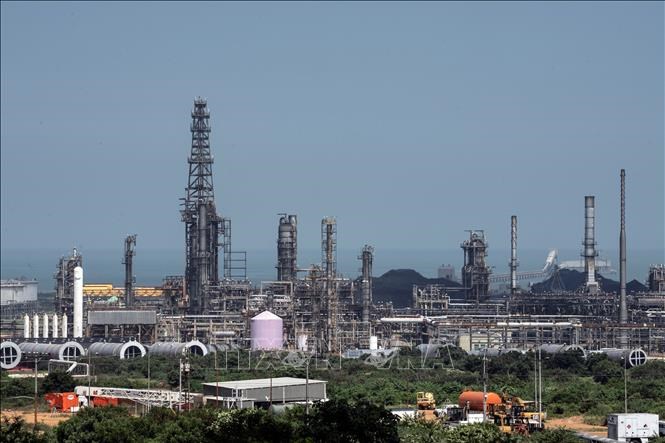
But critics argue that the explanation is incomplete. In recent days, commentary circulating widely online has suggested that oil — not narcotics — may be the central factor shaping Washington’s posture. The argument rests on a stark contrast: while U.S. oil production has surged over the past decade due to shale extraction, Venezuela still holds the world’s largest proven reserves, estimated at more than 300 billion barrels, much of it in the Orinoco Belt.
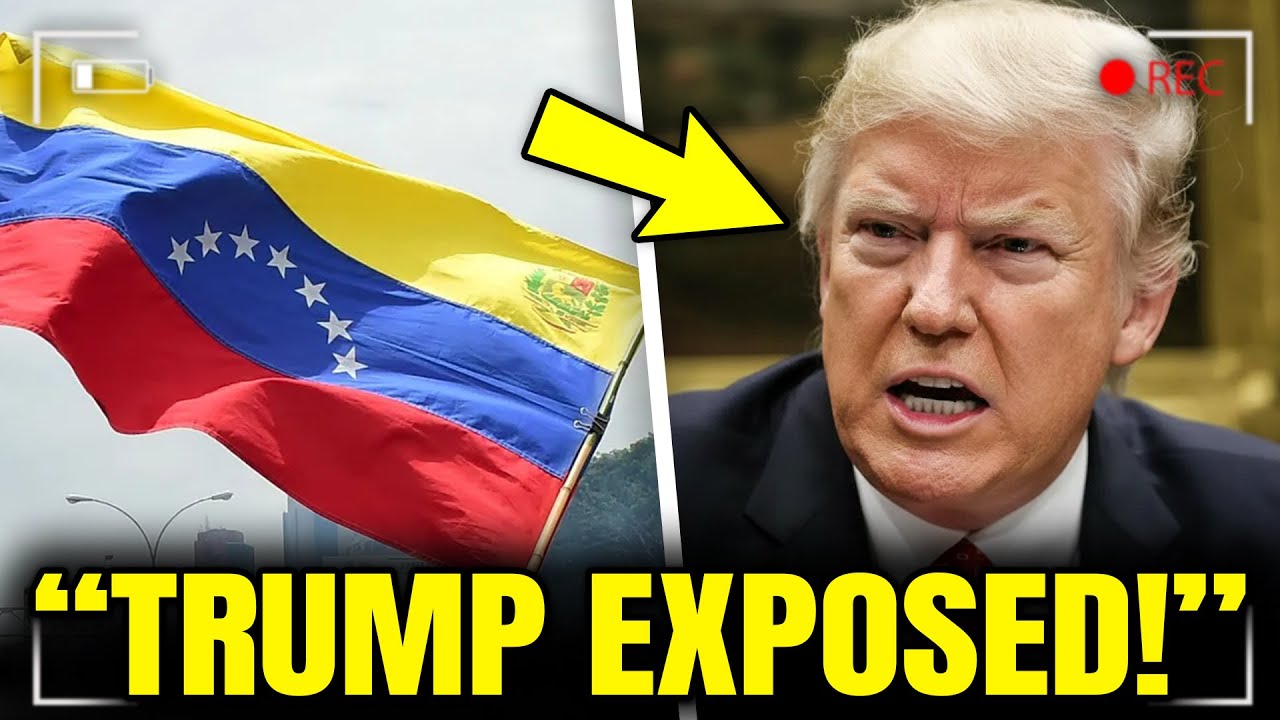
The contradiction has become a focal point. If the United States is largely energy self-sufficient, critics ask, why maintain intense pressure on a country whose production has collapsed to a fraction of its former output?
Energy analysts note that the answer lies in oil quality and infrastructure. Venezuelan crude is heavy and difficult to process, requiring specialized refining capacity — capacity that exists largely outside Venezuela after years of sanctions, underinvestment and mismanagement. U.S. and allied companies possess that technology. Control over production and logistics, not raw scarcity, is where leverage resides.
None of that proves motive. But it has sharpened scrutiny of policy consistency. Commentators have pointed to past decisions — including pardons and leniency toward other leaders accused of narcotics trafficking — as evidence that drug enforcement alone does not explain the intensity of focus on Caracas. Those comparisons, while politically charged, have gained traction because they highlight selective application of principle.
What remains missing is verification. Claims that U.S. forces have conducted direct strikes on Venezuelan territory or abducted its leadership have circulated widely online, but have not been confirmed by independent reporting, the Pentagon or international observers. In the absence of corroboration, experts caution against treating dramatic assertions as established fact.
Still, the debate itself reveals something significant: trust in official explanations has eroded. After decades of interventions framed as exceptional — from Iraq to Libya — public skepticism about stated motives is no longer confined to the political fringe.
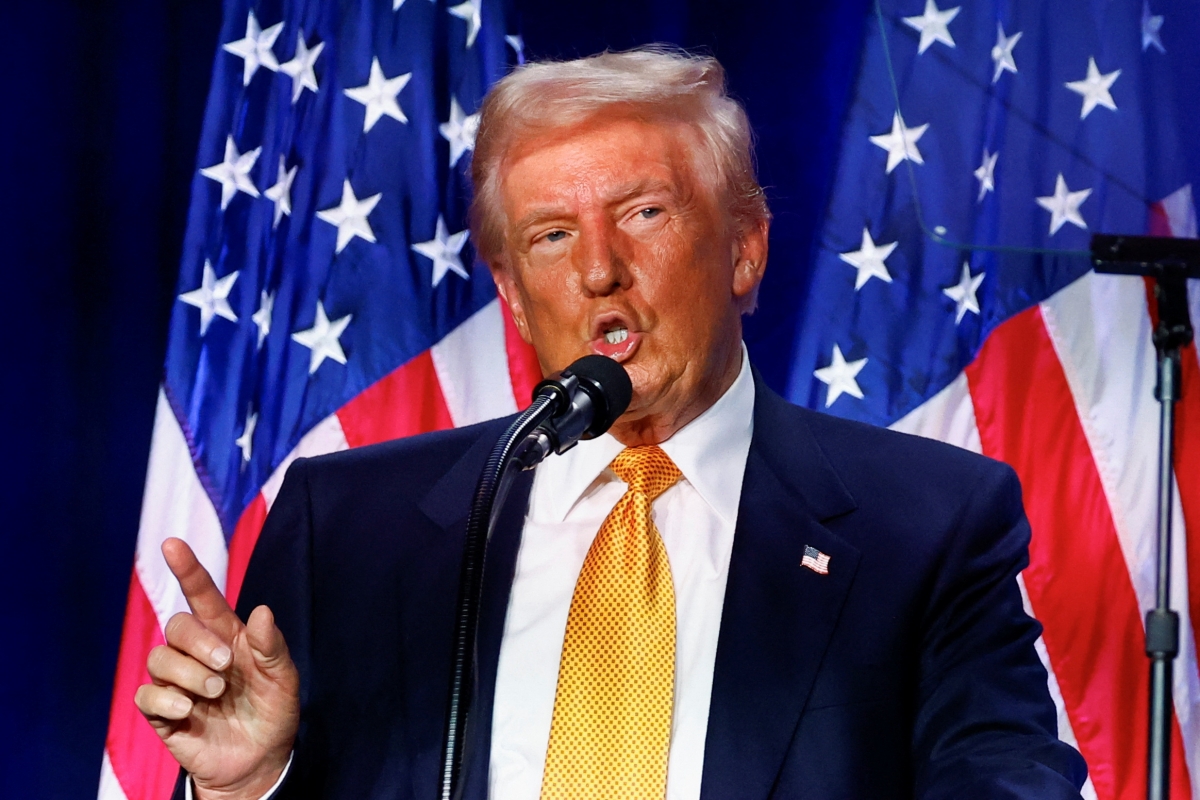
“There’s a memory problem in U.S. foreign policy,” said one former diplomat. “People remember what came after earlier interventions, and they’re quicker to question what they’re being told now.”
The oil argument also intersects with geopolitics. Venezuela’s energy sector is entangled with global rivals, including Russia and China, both of which have financial stakes in the country’s production and debt. Any major shift in control would have implications beyond Latin America, touching energy markets and great-power competition.
That reality complicates the picture. Even if drug trafficking plays a role, strategic calculations about influence, supply chains and rival access are never far from decision-making. Critics argue that acknowledging those interests would be more honest than reducing the issue to criminality alone.
Supporters of a hard-line approach respond that Venezuela’s internal repression and economic collapse justify pressure regardless of motive. They note that many Venezuelans oppose Maduro and would welcome change. But scholars of intervention warn that popular discontent does not guarantee stability after external action.
“The hardest part is always the day after,” said a political scientist who studies regime change. “Removing a leader doesn’t resolve corruption, rebuild institutions or prevent violence. Without a clear plan, power vacuums can be catastrophic.”
That concern is magnified when Congress has not clearly authorized the use of force. Under the Constitution, lawmakers hold war-making authority, yet recent decades have seen presidents act first and consult later — or not at all. Critics argue that this pattern normalizes unilateral action and weakens democratic oversight.
For now, the Venezuela debate exists in a gray zone — intense, emotional and speculative. The claims circulating online speak less to confirmed events than to accumulated distrust: of government narratives, of media framing and of past assurances that interventions would be limited and benign.
Whether oil is the primary driver, a secondary factor or merely a convenient symbol remains unproven. What is clear is that energy, power and precedent are inseparable in the public mind — and that any move perceived as unilateral will be judged against a long record of outcomes, not intentions.
As this discussion unfolds, analysts emphasize the need for restraint and verification. Extraordinary claims require evidence, and policy decisions with global consequences demand transparency. In the absence of both, suspicion fills the void.
The real test for Washington may not be how forcefully it acts, but how clearly it explains itself — and whether its actions align with the principles it invokes.